What Makes Madhubani Art Special in Fashion Design
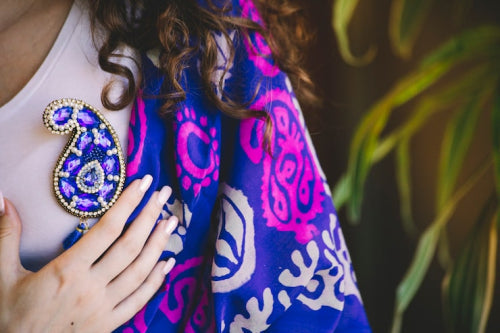
Madhubani art brings together visual storytelling, intricate craftsmanship, and cultural expression in a way that makes it especially meaningful for contemporary fashion. More than a decorative style, it represents a connection between artwork, identity, and the handmade process. When translated into garments, accessories, and lifestyle pieces, Madhubani painting creates designs that feel personal, expressive, and rooted in artistic tradition.
For fashion enthusiasts and design lovers, understanding what makes Madhubani art special offers insight into why this art form continues to inspire creators. Its detailed patterns, symbolic imagery, and handcrafted character allow designers to create pieces that carry a story rather than simply follow a seasonal trend. The growing interest in Madhubani art in fashion design reflects a wider appreciation for traditional Indian art in fashion and the value of artisan-led creativity.
Fast fashion erodes cultural heritage, sidelining artisans and reducing traditions to trends. At IndieHaat, we champion India's craftspeople with handcrafted sarees, apparel, décor, and skincare rooted in authenticity. Each piece embodies skill and ethical care. Support artisans and preserve India's timeless legacy Shop Now!
The Unique Storytelling Power of Madhubani Art
One of the most distinctive qualities of Madhubani art is its ability to communicate ideas through visual elements. Every line, shape, and motif can contribute to a larger narrative, allowing an artwork to feel layered and meaningful. This storytelling approach makes the art form naturally suited to fashion, where clothing can become a medium for self-expression.
When adapted into apparel, Madhubani-inspired designs transform fabric into a canvas. A hand-painted motif on a garment can reflect artistic imagination, cultural memories, and the maker's individual interpretation. Unlike mass-produced patterns created only for visual appeal, handcrafted designs often carry the feeling of human involvement behind every detail.
This quality is particularly important in modern fashion, where many consumers are looking for pieces that feel distinctive. A Madhubani-inspired garment is not only about colour and decoration; it can represent an appreciation for craftsmanship and creative heritage.
According to a detailed report on the evolution of Madhubani art in modern fashion, the art form has moved far beyond its origins on village walls and into the vibrant world of contemporary fashion design, where its bold motifs and intricate patterns are now being translated onto clothing for everyday wear and special occasions alike. What begins as a ritualistic practice rooted in Bihar's Mithila region has evolved into a dynamic creative force, with artisans collaborating directly with designers to bring this living tradition into t-shirts, kurtis, sarees, lehengas, and skirts. The art's recognizable elements ranging from peacocks and tigers to bamboo forests and mythological figures add cultural depth and visual storytelling that resonates strongly with today's consumers who value authenticity and heritage in their style choices. Initially limited to home decor such as rugs and bedsheets, the form has adapted beautifully to modern apparel through the work of local women artists who pass down techniques while incorporating contemporary influences. Tools have also evolved: natural vegetable dyes like lamp root for black, green leaves, blue from sukkot seeds, white from rice powder, and yellow from flower extracts have given way to synthetic colors and cotton-tipped brushes that enable finer details and sharper lines without compromising the soul of the original work.
Collaborations with government bodies and businesses further support this revival, helping artisans achieve financial independence and economic growth in Bihar while showcasing the craft on national and international platforms. This shift highlights why Madhubani art stands out in fashion design: it brings cultural preservation alive in wearable form, allowing designers to create pieces that celebrate tradition while appealing to modern tastes. For brands in the apparel industry, incorporating such elements not only differentiates their collections but also empowers communities of women artisans, creating a win-win that blends heritage with innovation. The result is fashion that feels genuine, with each garment carrying layers of meaning drawn from history, nature, and daily life in Mithila. As this trend continues, Madhubani art serves as a powerful reminder to the global fashion world of India's rich, hidden treasures motifs that are timeless yet perfectly suited for the runways and streetwear of today.
Why Madhubani Art Stands Out in Fashion Design
Madhubani painting fashion has gained attention because the art style offers a strong visual language. The detailed compositions can be adapted across different fashion categories, from clothing and scarves to bags, jewellery designs, and home accessories.
- Intricate detailing: Fine lines, carefully developed patterns, and decorative elements create a rich visual texture that works well on textiles.
- Expressive motifs: Artistic themes can add personality and meaning to fashion pieces.
- Handcrafted appeal: The handmade process gives each creation a sense of individuality.
- Versatility: Traditional-inspired artwork can be interpreted through contemporary silhouettes and modern styling.
The combination of artistic depth and design flexibility allows Madhubani art to move beyond being viewed only as a painting style. In fashion, it becomes a bridge between heritage and modern creativity.
The Role of Craftsmanship in Madhubani Inspired Clothing
Madhubani inspired clothing highlights the relationship between artisanship and fashion. Handmade processes require attention, patience, and a strong understanding of artistic techniques. This creates a different experience from clothing created through purely industrial methods.
For consumers, handcrafted fashion offers an opportunity to connect with the people and processes behind a product. A garment featuring traditional artwork can encourage a deeper appreciation of the creative effort involved in bringing an idea from concept to finished piece.
Artisan-made fashion also supports a slower approach to consumption, where buyers consider design value, craftsmanship, and longevity. Instead of focusing only on immediate trends, this approach celebrates pieces that have character and cultural relevance.
For designers, working with traditional art forms requires balance. The challenge is to respect the essence of the original artwork while presenting it in ways that suit contemporary wardrobes. Successful adaptations maintain the spirit of the art while allowing new audiences to engage with it.
Madhubani Art History and Significance in Contemporary Style
Understanding Madhubani art history and significance helps explain why this art form continues to influence creative industries. Traditional art forms often carry connections to community practices, personal expression, and shared cultural experiences. These qualities give them a lasting appeal beyond changing fashion cycles.
In contemporary design, heritage-inspired artwork provides an alternative to uniform styles. Consumers increasingly value products that communicate individuality and have a visible creative story. Madhubani art responds to this interest by offering designs that feel artistic, thoughtful, and connected to tradition.
The use of folk-inspired artwork in fashion also encourages conversations about preservation and innovation. When designers incorporate traditional visual languages into modern products, they help introduce these artistic expressions to new audiences while exploring fresh creative possibilities.
How Traditional Indian Art Influences Modern Fashion
Traditional Indian art in fashion demonstrates how cultural creativity can continue evolving through new formats. Designers often look to heritage techniques for inspiration because they provide a foundation of patterns, colours, and storytelling methods that can be reinterpreted in modern ways.
Indian folk art fashion design is not limited to recreating historical styles. Instead, it can involve experimenting with silhouettes, fabric choices, styling approaches, and contemporary design concepts. The result is fashion that respects artistic origins while fitting naturally into present-day wardrobes.
Madhubani art is especially suitable for this approach because its visual elements can be adapted at different scales. A designer may choose a subtle artistic detail for everyday wear or create a more expressive statement piece where the artwork becomes the central feature.
This flexibility allows handcrafted fashion to appeal to different preferences. Some people may appreciate a small artistic accent, while others may seek designs where the artwork becomes the main focus of the piece.
The Growing Appeal of Handmade Fashion with Indian Art
Handcrafted fashion with Indian art reflects a changing relationship between consumers and the products they purchase. Many buyers are becoming more interested in understanding where products come from, how they are made, and what makes them meaningful.
Art-inspired fashion provides an opportunity to celebrate creativity beyond conventional branding. A product can become memorable because of its artistic journey, the skill involved in making it, and the cultural ideas represented through its design.
For curated marketplaces that bring together artisan-made products, presenting these stories is an important part of helping customers understand value. A handcrafted item becomes more than an accessory or garment; it becomes a connection between maker, material, artwork, and wearer.
Madhubani art also fits naturally with modern preferences for unique personal style. In a world where many designs are widely replicated, handmade artwork offers variation and individuality. Small differences created through the artistic process can make each piece feel special.
Styling Madhubani Art for Modern Wardrobes
One reason Madhubani-inspired designs remain relevant is their ability to complement different fashion choices. They can be incorporated into traditional outfits, contemporary clothing, and everyday accessories depending on the design approach.
For those exploring heritage-inspired fashion, a balanced styling approach can allow the artwork to stand out. A statement piece featuring detailed artwork can become the centre of an outfit, while smaller accents can add cultural character without overwhelming the overall look.
Modern fashion is increasingly shaped by personal expression, and artistic clothing provides a way for individuals to communicate their interests and values. Wearing handcrafted designs can reflect an appreciation for creativity, cultural narratives, and thoughtful design choices.
As designers continue exploring Mithila art in modern fashion, the possibilities for reinterpretation remain wide. The relationship between traditional artwork and contemporary fashion is not about preserving the past unchanged; it is about allowing artistic traditions to continue inspiring new forms of creativity.
Why Madhubani Art Continues to Inspire Designers and Consumers
The lasting appeal of Madhubani art comes from the combination of beauty, meaning, and craftsmanship. It offers something beyond visual decoration by bringing emotion and storytelling into fashion. Each design can invite curiosity, encourage appreciation for handmade work, and create a stronger connection between people and products.
For fashion designers, Madhubani art provides a rich source of inspiration. For consumers, it offers an opportunity to choose pieces that feel authentic and thoughtfully created. For artisans, it represents a way for traditional creative expressions to continue finding relevance in modern lifestyles.
The future of heritage-inspired fashion lies in respectful collaboration between tradition and innovation. Madhubani art shows how artistic practices can evolve while maintaining their identity, creating fashion pieces that celebrate craftsmanship, creativity, and cultural expression.
Whether featured on clothing, accessories, or décor, Madhubani-inspired creations remind us that fashion can carry stories. The special quality of this art form is not only found in its patterns and colours, but in the human creativity and cultural connection woven into every handmade expression.
Madhubani Art in National Fashion
The choice of a Madhubani art sari by high-profile figures like India's Finance Minister during major events such as Union Budget presentations demonstrates how the art form has seamlessly integrated into the fabric of Indian national fashion, elevating traditional craftsmanship to the level of formal and ceremonial wear. This specific piece, a handloom off-white silk sari featuring fishes in black, red, and orange threads with a golden border, was hand-painted by Padma Shri awardee Dulari Devi and gifted to the minister, symbolizing respect for Bihar's artistic legacy while making a bold fashion statement that stands out amid mainstream attire. Madhubani art's special qualities in fashion design stem from its bold geometric outlines, vibrant natural and synthetic colors, and thematic richness that draws from mythology, nature, and daily life, creating visual narratives that resonate deeply with wearers and viewers alike. The art's styles such as the line-based Kachni approach and the fully colored Bharani method lend themselves perfectly to clothing applications, allowing for versatile designs that can be scaled for everything from ready-to-wear kurtis to high-end sarees. By embedding these motifs into silk and other luxurious fabrics, designers and artisans achieve a fusion that honors cultural roots while meeting contemporary demands for uniqueness and comfort.
This integration supports broader industry trends where heritage crafts are being revived to address economic needs in regions like Bihar, with collaborations ensuring artisans receive fair recognition and stable livelihoods. The sari's presence in such a prestigious setting illustrates how Madhubani art contributes to national pride in fashion, encouraging other designers to experiment with its elements for collections that appeal to domestic and international audiences. Furthermore, its adaptability to both traditional and modern silhouettes underscores why it stands out: the patterns do not merely decorate but actively tell stories of prosperity, fertility, and community that add emotional and cultural layers to each garment. As more pieces enter the market through handloom initiatives and artist collaborations, Madhubani art in fashion design promotes sustainability by reducing reliance on mass-produced motifs while empowering women-led cooperatives. This trend not only preserves an ancient practice but also positions it as a forward-looking choice for brands seeking to differentiate through storytelling and authenticity, making it a standout element in India's evolving fashion landscape.
Frequently Asked Questions
What makes Madhubani art special in fashion design?
Madhubani art is special in fashion design because it combines traditional Indian folk motifs, vibrant colors, and intricate hand-painted patterns. Its unique storytelling elements help designers create garments that reflect cultural heritage and artistic expression.
How is Madhubani art used in modern fashion designs?
Madhubani art is used in modern fashion designs through hand-painted fabrics, embroidered motifs, and prints on clothing and accessories. Designers often blend traditional Madhubani patterns with contemporary styles to create unique ethnic and fusion fashion pieces.
Why is Madhubani art considered a sustainable choice for fashion?
Madhubani art supports sustainable fashion by promoting handcrafted techniques and preserving traditional artisan skills. The use of natural colors, handmade processes, and culturally inspired designs makes Madhubani fashion more meaningful and environmentally conscious.
Disclaimer: The above helpful resources content contains personal opinions and experiences. The information provided is for general knowledge and does not constitute professional advice.
You may also be interested in: The Intersection of Traditional Indian Crafts and Contemporary
Fast fashion erodes cultural heritage, sidelining artisans and reducing traditions to trends. At IndieHaat, we champion India's craftspeople with handcrafted sarees, apparel, décor, and skincare rooted in authenticity. Each piece embodies skill and ethical care. Support artisans and preserve India's timeless legacy Shop Now!
Powered by flareAI.co