What Makes Ethical Fashion Worth Exploring
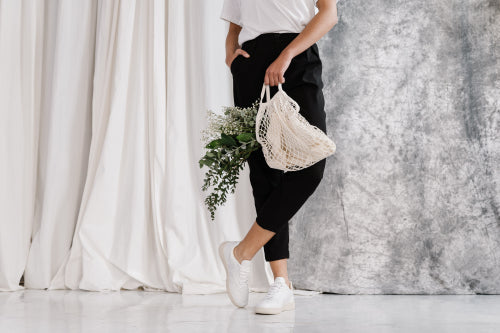
Ethical fashion asks a simple but important question: what happens before a garment reaches the customer? Beyond design and appearance, every clothing choice reflects decisions about materials, craftsmanship, production methods, and the people involved in creating the final product. As consumers become more interested in meaningful purchases, ethical fashion offers a way to explore clothing through the lens of responsibility, transparency, and long-term value.
For many shoppers, moving away from fast fashion does not mean giving up personal style. Instead, it means understanding how clothing is made and choosing pieces that represent quality, cultural identity, and thoughtful production. From supporting skilled artisans to appreciating traditional techniques, ethical fashion connects personal expression with broader social and environmental considerations.
Fast fashion erodes cultural heritage, sidelining artisans and reducing traditions to trends. At IndieHaat, we champion India's craftspeople with handcrafted sarees, apparel, décor, and skincare rooted in authenticity. Each piece embodies skill and ethical care. Support artisans and preserve India's timeless legacy Shop Now!
Understanding What Ethical Fashion Really Means
Ethical fashion is an approach to clothing that considers the people, processes, and resources behind each product. It focuses on responsible decision-making throughout the fashion journey, including how materials are selected, how workers are treated, and how products are created.
While sustainability often focuses on environmental impact, ethical fashion also highlights human relationships within the supply chain. Fair working conditions, responsible sourcing, craftsmanship, and transparency are all important parts of a more conscious fashion system.
The idea behind ethical fashion is not simply to buy fewer products. It encourages consumers to make more informed choices by understanding the story behind what they wear. A handmade garment, for example, may represent hours of skilled work, cultural knowledge passed through generations, and techniques that require years of practice to master.
Why Ethical Fashion Matters to Modern Consumers
Consumers are increasingly looking beyond surface-level features when choosing clothing. Style, comfort, and affordability remain important, but many shoppers also want to understand whether their purchases align with their personal values.
One reason why ethical fashion matters is that clothing decisions influence more than individual wardrobes. They can affect artisan communities, production relationships, resource usage, and the preservation of traditional skills. Choosing responsibly produced products allows consumers to recognise the human effort involved in creating everyday items.
Ethical fashion also encourages a shift from disposable consumption toward thoughtful ownership. Instead of focusing only on short-term trends, shoppers can consider durability, craftsmanship, and the long-term meaning of their purchases.
The Connection Between Ethical Fashion and Artisan Craftsmanship
Handcrafted fashion represents one of the clearest examples of how ethical practices can preserve creativity and cultural heritage. Artisan-made products often carry techniques, patterns, and methods that reflect local traditions and specialised knowledge.
Supporting artisan communities helps maintain these skills while creating opportunities for craftspeople to continue their work. Unlike mass-produced items that prioritise speed and volume, handmade products often highlight attention to detail and individual craftsmanship.
The relationship between ethical fashion and artisans is also connected to transparency. When consumers know how and where products are created, they can better appreciate the value behind each purchase. This understanding transforms clothing from a simple commodity into an item with cultural and personal significance.
How Responsible Fashion Practices Are Changing the Industry
Fashion businesses are increasingly examining how their decisions affect suppliers, workers, and customers. Responsible fashion practices are moving beyond marketing messages and encouraging companies to consider the complete journey of a product.
Industry discussions have placed greater attention on supply chain relationships, including how brands collaborate with manufacturers and suppliers. Long-term partnerships, improved planning, and better visibility into production processes can support more stable and responsible operations. Fashion supply chain improvements highlight the importance of cooperation between brands, suppliers, and consumers when creating more accountable systems.
For smaller and artisan-focused businesses, ethical practices can provide an opportunity to build stronger connections with customers. By sharing the stories behind products and highlighting craftsmanship, brands can create trust through transparency rather than relying only on product features.
The Role of Sustainability in Ethical Fashion Choices
Ethical fashion and sustainability often overlap because both encourage more thoughtful approaches to clothing. Sustainable fashion choices consider how products are designed, used, and maintained over time.
Responsible production can involve choosing quality materials, reducing unnecessary waste, and creating products that remain valuable beyond short-term trends. This approach challenges the idea that fashion must always focus on constant replacement and encourages consumers to appreciate longevity.
Recent sustainability-focused discussions have also increased attention on product lifecycle considerations, including durability, reuse, repair, and responsible resource management. EU sustainable product rules reflect a broader movement toward greater accountability in how products are designed and brought to customers.
For consumers, this means sustainability is not only about selecting a product with certain materials or labels. It is also about developing a more thoughtful relationship with fashion by valuing quality, care, and responsible choices.
What Shoppers Should Look for in Ethical Clothing Brands
Choosing ethical clothing brands requires looking beyond appearance. Consumers can consider several factors when evaluating whether a product reflects responsible practices.
- Transparency: Look for information about materials, production methods, and craftsmanship.
- Quality and durability: Consider whether the product is designed for long-term use rather than short-term trends.
- Artisan involvement: Understand whether skilled craftspeople contribute to the creation process.
- Meaningful design: Appreciate products that represent cultural techniques, creativity, or traditional knowledge.
These considerations help shoppers move from impulse purchases toward more intentional decisions. Ethical fashion is not about achieving perfection with every purchase; it is about becoming more aware of the impact behind everyday choices.
Why Exploring Ethical Fashion Creates Long-term Value
The benefits of ethical fashion extend beyond individual clothing choices. For consumers, it offers a chance to build wardrobes around pieces that have purpose, quality, and personal meaning. For artisans and responsible producers, it creates greater recognition for skills and traditions that deserve to be preserved.
The slow fashion movement has encouraged many people to reconsider how they view clothing. Instead of measuring value only by price or trend relevance, shoppers are increasingly recognising the importance of craftsmanship, responsible practices, and authentic stories.
Exploring ethical fashion also supports a more connected relationship between creators and consumers. When people understand the effort behind a product, they can make choices based on appreciation rather than convenience alone.
How Ethical Fashion Connects with Handmade Indian Traditions
India's rich history of textiles and craftsmanship provides a strong foundation for conversations around responsible fashion. Handmade products often represent techniques developed through generations, with artisans preserving skills that contribute to cultural identity and creative expression.
For shoppers interested in ethical fashion, handcrafted apparel, accessories, and lifestyle products provide an opportunity to discover designs that carry deeper meaning. Each piece can reflect the dedication of the craftspeople involved while offering an alternative to uniform, mass-produced styles.
IndieHaat's focus on curated handcrafted products connects naturally with this growing interest in responsible fashion choices. By bringing attention to artisan-made creations, the marketplace helps consumers explore products where craftsmanship, tradition, and thoughtful production are central to the experience.
Ethical fashion is worth exploring because it changes the way people think about clothing. It encourages consumers to consider the stories behind their purchases, the people who create them, and the values represented through each choice. As fashion continues to evolve, responsible practices, artisan craftsmanship, and conscious decision-making can help create a more meaningful connection between what people wear and what they support.
Frequently Asked Questions
What is ethical fashion and why does it matter?
Ethical fashion focuses on responsible choices throughout the clothing process, including how products are made, who creates them, and how resources are used. It matters because it helps consumers make informed decisions that support transparency, craftsmanship, and more responsible production practices.
How does ethical fashion support artisan communities?
Ethical fashion supports artisan communities by recognising the skills, traditions, and craftsmanship involved in handmade products. Choosing artisan-made clothing and accessories can help preserve cultural techniques while allowing consumers to connect with the stories behind their purchases.
What are the benefits of choosing ethical clothing brands?
The benefits of ethical clothing brands include greater transparency, appreciation for quality, and more thoughtful purchasing decisions. These brands often focus on responsible fashion practices, durable designs, and products that carry cultural or personal meaning beyond short-term trends.
Disclaimer: The above helpful resources content contains personal opinions and experiences. The information provided is for general knowledge and does not constitute professional advice.
You may also be interested in: A Buyer's Guide to Handloom Textiles - Indiehaat.com
Fast fashion erodes cultural heritage, sidelining artisans and reducing traditions to trends. At IndieHaat, we champion India's craftspeople with handcrafted sarees, apparel, décor, and skincare rooted in authenticity. Each piece embodies skill and ethical care. Support artisans and preserve India's timeless legacy Shop Now!
Powered by flareAI.co