What Consumers Expect When Paying More for Handmade Goods
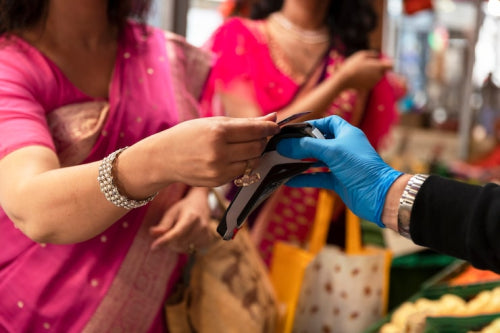
In an era dominated by mass production, the allure of handmade goods has captivated consumers worldwide, sparking a renaissance in appreciation for authentic craftsmanship. People are increasingly drawn to items that embody personal stories, human ingenuity, and ethical integrity, prompting them to invest more in artisanal creations like intricately woven fabrics and custom-made adornments.
However, this willingness to pay a premium hinges on specific expectations. Across various global markets, shoppers demand tangible evidence of superior quality, openness in production processes, and a sense of worth that transcends mere aesthetics. These demands are influenced by regional cultures, economic conditions, and shifting societal priorities, creating a nuanced landscape for handmade commerce.
Fast fashion erodes cultural heritage, sidelining artisans and reducing traditions to trends. At IndieHaat, we champion India's craftspeople with handcrafted sarees, apparel, décor, and skincare rooted in authenticity. Each piece embodies skill and ethical care. Support artisans and preserve India's timeless legacy Shop Now!
The Surging Demand for Handmade Goods
The handmade sector thrives within the expansive apparel and textile industries, which offer a broader perspective on consumer trends. For instance, worldwide apparel revenue is forecasted to hit an impressive US$1.89 trillion by 2026, with an expected annual growth of 2.58% through 2030. Women's apparel leads as the dominant segment, projecting a volume of US$990.71 billion in 2026, while the United States spearheads global earnings with US$373 billion anticipated that year. On a per-person basis, apparel generates about US$239.33 in revenue globally in 2026, with volumes reaching 200.8 billion pieces by 2030.apparel market worldwide
Parallel to this, the textile industry, integral to many handmade products, stood at USD 1,007.90 billion in 2024 and is set to expand from USD 1,065.45 billion in 2025 to USD 1,676.68 billion by 2032, at a robust 6.69% CAGR. This growth stems from textile's versatility in clothing, furnishings, and medical applications, with a notable pivot toward sustainable options like organic cotton and recycled polyester. Leading firms such as Hengli Textile and Toray Industries are innovating in areas like wearable and antibacterial fabrics, bolstering market expansion.global textile market
Further insights reveal the textile market's valuation at USD 1.16 billion for 2025, climbing to USD 1.61 billion by 2033 with a 4.2% CAGR from 2026 onward. Factors like rapid fashion cycles, urban expansion, and rising incomes in developing nations fuel this demand. Silk is poised for the quickest growth at 4.5% CAGR, nylon at 4.9%, and household applications also at 4.9%. Shoppers favor stylish, comfy, and budget-friendly attire, propelling retail apparel needs.global textile market
The apparel arena, valued at USD 1.77 trillion in 2024, eyes USD 2.26 trillion by 2030 with a 4.2% CAGR starting 2025. Escalating global spending on clothing drives this, with Asia Pacific commanding 40.5% of revenue in 2024 and the U.S. leading its region. Mass-market items hold 68% share, and women's segment dominates end-use.global apparel market
Handmade items distinguish themselves through natural materials and limited production runs, positioning them as antidotes to disposable fashion. Heightened awareness of environmental impact and personal expression steers buyers toward these sustainable, distinctive alternatives.
Core Expectations for Premium Pricing
When consumers opt for higher-priced handmade goods, they invest in more than materiality they seek a bundle of assurances that validate their choice.
- Authenticity and Exclusivity: At the forefront is the promise of originality. Buyers anticipate designs impossible to mass-replicate, featuring organic imperfections like varied textures or culturally inspired patterns that affirm true handiwork over industrial mimicry.
- Premium Materials: Quality fabrics are non-negotiable. Expectations center on unadulterated options such as linen, silk, or cotton, devoid of artificial additives. These not only ensure longevity and ease but also support eco-friendly ideals amid rising sustainability concerns.
- Artisan-Direct Sourcing: Trust flourishes with direct links to creators. Eliminating intermediaries infuses emotional value, guaranteeing fair wages and mitigating exploitation fears through visible supply chains.
- Narrative and Heritage Value: A compelling backstory amplifies appeal. Items linked to ancestral methods or community upliftment transform purchases into meaningful endorsements of cultural preservation.
These elements collectively forge a deeper connection, making the elevated cost feel justified as an investment in artistry and ethics.
Variations Across Key Regions
Consumer outlooks differ markedly by locale, mirroring distinct societal and financial dynamics.
India: Heritage and Cultural Depth
Indian shoppers emphasize ancestral ties and traditional authenticity. Curated platforms facilitate artisan-consumer bonds, spotlighting genuine techniques and natural textiles. Educated buyers readily pay 20-40% more upon grasping the intensive labor, revitalizing crafts like intricate sarees or tribal artworks.
United States: Personalization and Ethics
In the U.S., focus tilts toward customization and moral sourcing. Following 2020's handmade boom on sites like Etsy, demand surged for individualized pieces. Surveys indicate acceptance of 20-30% premiums for ethically crafted uniques that diverge from mainstream uniformity.
Singapore and Australia: Sustainability Priorities
These markets champion green practices. Fair trade, low-impact materials, and production transparency are paramount. Consumers view extra costs as stakes in ethical consumption, favoring narratives around eco-sourcing in upcycled or artisanal wares.
United Kingdom: Slow Fashion Movement
British buyers embrace deliberate consumption to minimize environmental harm. They favor domestically produced or responsibly imported handmades, tolerating higher tags for enduring quality that outlasts fleeting fads, as seen in rising slow fashion trends.
United Arab Emirates: Luxury and Prestige
UAE consumers pursue opulence and rarity. Superior artistry in bespoke items like ornate carpets or artistic decor commands premiums, symbolizing status and refined taste rooted in cultural elegance.
Addressing Buyer Reservations
Enthusiasm notwithstanding, hurdles remain that can deter potential purchasers.
- Elevated Costs: Premium pricing poses a challenge, particularly in digital shopping where tactile evaluation is absent. This amplifies skepticism about value.
- Credibility Gaps: Previous experiences with falsely claimed "handmade" products erode confidence, fostering doubts about authenticity.
Counterstrategies include robust education: detailing creation steps, sourcing origins, and creator profiles to substantiate prices. Enhanced visuals, process footage, and flexible return options fortify trust. Strict curation by platforms ensures adherence to ethical and quality benchmarks, narrowing the divide between anticipation and experience.
Strategic Opportunities for Artisanal Ventures
With artisanal interest ascending, savvy enterprises can capitalize by emphasizing clarity and excellence.
Storytelling stands out as a potent tool relaying maker histories, age-old practices, and green initiatives cultivates devotion. In the U.S. and U.K., such narratives boost interaction; in India and UAE, accentuating rarity and legacy attracts upscale buyers.
Digital advancements extend reach without diluting essence. Specialized online venues link craftspeople globally, providing resources for enhanced exposure and operations while upholding artisanal integrity.
By aligning with consumer desires for meaningful links to artisans, legacies, and values like equity and ecology businesses transform premiums into perceived bargains.
Future Outlook and Recommendations
Looking ahead, the handmade domain appears poised for sustained growth, buoyed by global shifts toward mindful buying. Projections from industry analyses underscore expanding markets, with sustainability and uniqueness as enduring drivers.
For optimal success, tailor strategies regionally: U.S. and Australian firms should highlight green methodologies and compelling brands. In India, leverage governmental artisan support to scale without quality compromise. UAE enterprises can thrive by promoting elite craftsmanship and exclusivity.
In essence, premium handmade purchasers crave enrichment beyond possessions a bond to humanity's creative spirit. Fulfilling this elevates transactions to profound experiences.
Those intrigued by genuine Indian artisanal offerings, from pristine linen-silk garments to crafted home accents, will find IndieHaat exemplifies how artisan-direct procurement realizes these ideals, item by curated item.
Frequently Asked Questions
Why are handmade goods more expensive than mass-produced items?
Handmade goods command premium pricing because they offer authenticity, exclusivity, and superior craftsmanship that cannot be replicated by machines. Consumers pay 20-40% more for items made with premium natural materials like linen, silk, or organic cotton, along with the assurance of ethical production through direct artisan sourcing. The elevated cost reflects the intensive labor, unique designs with organic imperfections, and the cultural heritage embedded in each piece.
What do consumers look for when buying premium handmade products?
Buyers investing in handmade goods seek four core elements: authenticity with truly unique designs featuring natural variations, premium materials like unadulterated natural fibers, direct connections to artisan creators that ensure fair wages, and compelling narratives about cultural heritage or traditional techniques. These expectations vary by region American consumers prioritize personalization and ethical sourcing, while Indian shoppers emphasize ancestral ties and traditional authenticity, and UAE buyers focus on luxury and rarity.
How can consumers verify the authenticity of handmade goods online?
To ensure authenticity when shopping for handmade items online, look for detailed information about the creation process, sourcing origins, and creator profiles that substantiate the pricing. Trustworthy platforms provide enhanced visuals, process footage, and maintain strict curation standards to verify ethical and quality benchmarks. Direct artisan-to-consumer sourcing eliminates intermediaries and provides transparent supply chains, helping buyers distinguish genuine handcrafted items from falsely claimed "handmade" products that have eroded consumer confidence.
Disclaimer: The above helpful resources content contains personal opinions and experiences. The information provided is for general knowledge and does not constitute professional advice.
You may also be interested in: Why Consumers Are Choosing Artisan Pieces Over Fast Fashion
Fast fashion erodes cultural heritage, sidelining artisans and reducing traditions to trends. At IndieHaat, we champion India's craftspeople with handcrafted sarees, apparel, décor, and skincare rooted in authenticity. Each piece embodies skill and ethical care. Support artisans and preserve India's timeless legacy Shop Now!
Powered by flareAI.co