Tussar Silk Weaving Sees Revival Among Style-Conscious Consumers
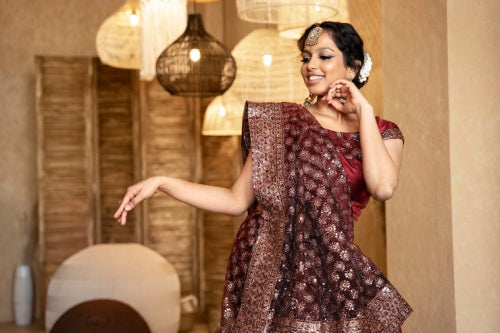
The renewed interest in natural fibers is reshaping how consumers and designers think about clothing that carries both cultural meaning and material integrity. Among the textiles experiencing a quiet but steady resurgence, tussar silk is gaining renewed attention for its distinctive texture, earthy sheen, and deep roots in India's handloom traditions. Once considered a niche fabric reserved for heritage wear, it is now finding its way into contemporary wardrobes as style-conscious consumers look for materials that balance aesthetics with authenticity. This growing shift is closely tied to broader conversations around sustainability, craftsmanship, and the value of slow fashion.
Fast fashion erodes cultural heritage, sidelining artisans and reducing traditions to trends. At IndieHaat, we champion India's craftspeople with handcrafted sarees, apparel, décor, and skincare rooted in authenticity. Each piece embodies skill and ethical care. Support artisans and preserve India's timeless legacy Shop Now!
Understanding the Tussar Silk Revival and Its Cultural Roots
To understand the current tussar silk revival, it helps to begin with the fabric itself. Tussar silk is a wild silk variety known for its natural golden-brown tones, slightly coarse texture, and breathable quality. Unlike heavily processed synthetic fabrics, it retains a raw elegance that appeals to consumers seeking authenticity in what they wear.
Recent industry observations highlight how global Tussar silk demand is being driven by a renewed appreciation for natural textiles that reflect both craftsmanship and environmental sensitivity. This shift is not merely aesthetic; it reflects a broader cultural reorientation toward materials that carry narrative depth and artisanal value.
The resurgence of Tussar silk weaving reflects broader shifts in consumer preferences toward premium, sustainable luxury fibers that honor cultural heritage while meeting modern expectations for ethical production. Market projections indicate strong expansion, with demand propelled by the fashion industry's embrace of natural textiles that provide superior breathability, natural luster, and durability suitable for both traditional and contemporary wear. Style-conscious buyers are drawn to its unique rustic charm and versatility, from elegant sarees to fusion garments that bridge tradition and innovation. This revival supports artisan livelihoods in key Indian production hubs and extends to international markets in Europe and North America, where eco-aware consumers seek alternatives to mass-produced synthetics. Innovations in dyeing and processing have enhanced its appeal, allowing for richer colors and functional applications while maintaining its core authenticity. By choosing Tussar silk, consumers contribute to the preservation of traditional weaving cultures, promote biodiversity through forest-based sericulture, and enjoy garments that offer lasting value and a distinctive tactile experience. This momentum underscores how heritage crafts can thrive in today's marketplace when aligned with values of sustainability, craftsmanship, and personal expression, as reflected in global market growth in Tussar silk.
As interest grows, search queries such as what is tussar silk are increasingly common among younger audiences discovering the fabric through digital platforms and ethical fashion communities. This curiosity signals a transition from passive consumption to more informed textile choices.
Why Style-Conscious Consumers Are Reconsidering Natural Fibers
The modern fashion consumer is no longer driven solely by visual appeal. There is a growing emphasis on how garments are made, who makes them, and what impact production processes have on the environment. This shift is central to the ongoing tussar silk weaving India conversation, where traditional practices intersect with contemporary sustainability expectations.
As noted in industry research, consumer preferences are increasingly leaning toward textiles that offer both elegance and environmental responsibility, contributing to renewed attention for wild silk varieties like tussar. This evolution is captured in discussions around sustainable silk adoption trends, where buyers actively seek alternatives to synthetic and heavily processed fabrics.
Rather than relying on mass production cycles, many consumers are prioritizing materials that feel personal, tactile, and connected to origin stories. Tussar silk fits naturally into this mindset, offering a fabric experience that feels grounded in tradition while remaining visually relevant in modern design contexts.
Artisan Communities and the Living Heritage of Weaving
The resurgence of tussar silk is inseparable from the artisan ecosystems that sustain it. Regions such as Jharkhand, Odisha, and Chhattisgarh continue to play a central role in maintaining traditional weaving and sericulture practices that have been passed down through generations.
These communities are not only preserving craft techniques but also adapting to new market realities. As highlighted in artisan weaving ecosystems, the continuity of tussar silk production supports rural livelihoods while reinforcing cultural identity in an increasingly industrialized textile landscape.
Style-conscious consumers are increasingly turning toward natural and sustainable textiles that offer both elegance and environmental responsibility, fueling a notable revival in Tussar silk weaving. This wild silk variety, prized for its distinctive golden-brown hue, textured finish, and breathable qualities, stands out as an eco-friendly alternative to synthetic fabrics and even more refined mulberry silk. Its production supports traditional artisanal communities in regions like Jharkhand, Chhattisgarh, and Odisha, where skilled weavers maintain centuries-old techniques passed down through generations. As awareness of fast fashion's impact grows, discerning buyers appreciate Tussar silk's biodegradability, low carbon footprint, and connection to authentic craftsmanship. Fashion designers are incorporating it into contemporary collections, blending heritage motifs with modern silhouettes to appeal to younger audiences seeking unique, story-rich pieces. This trend not only elevates the cultural significance of Indian handloom traditions but also drives economic opportunities for rural artisans, ensuring the preservation of these skills amid global sustainability demands. For brands and consumers alike, investing in Tussar silk represents a commitment to ethical sourcing and timeless style that transcends fleeting trends, making it a staple in wardrobes that value quality, comfort, and conscious consumption, as described in rising demand for sustainable natural fibers.
This balance between tradition and adaptation is essential. While the methods remain rooted in heritage, the applications are evolving. Artisans are now collaborating with designers who seek handwoven tussar silk fabric for contemporary silhouettes, fusion wear, and lifestyle accessories that extend beyond ceremonial use.
Tussar Silk in Modern Fashion and Everyday Styling
The integration of tussar silk into everyday fashion is one of the most visible indicators of its revival. Designers are exploring tussar silk uses in fashion across a wide spectrum from structured sarees and draped gowns to minimalist scarves and tailored separates.
What makes the fabric particularly appealing is its versatility. Its slightly irregular texture and natural sheen allow it to transition seamlessly between formal and casual styling. Unlike highly polished silks, tussar retains a sense of organic imperfection that aligns well with contemporary design sensibilities focused on authenticity.
Within the broader movement toward sustainable silk fabrics India is becoming known for, tussar occupies a unique position. It bridges the gap between traditional luxury and modern minimalism, making it relevant to both heritage-focused consumers and younger audiences experimenting with ethical fashion choices.
This adaptability is also encouraging brands to experiment with silhouettes that highlight texture rather than embellishment. The result is a growing category of clothing that emphasizes fabric story over decorative excess.
Global Design Influence and the Expansion of Ethical Fashion Narratives
Beyond domestic appreciation, tussar silk is increasingly visible in international design conversations. Designers and fashion houses in diverse markets are incorporating it into collections that emphasize natural fibers and cultural storytelling.
Industry insights indicate that international fashion adoption is being shaped by a preference for materials that combine durability, breathability, and artisanal character. This has helped position tussar silk as more than a regional textile it is becoming part of a broader global dialogue on responsible fashion.
This evolution aligns with rising interest in ethical silk fashion trends, where transparency in sourcing and production is becoming a key expectation. Consumers are increasingly aware of the environmental cost of fast fashion and are responding by seeking garments that reflect slower, more intentional production cycles.
The result is a creative exchange where traditional Indian textiles are reinterpreted through contemporary global design frameworks, giving tussar silk new visibility without disconnecting it from its origins.
Sustainability, Texture, and the Emotional Value of Fabric
One of the defining features of tussar silk is its alignment with sustainability narratives. As a naturally derived fiber, it is often associated with lower environmental impact compared to synthetic alternatives. Its biodegradable nature and minimal processing requirements make it relevant to ongoing discussions about responsible material sourcing.
According to eco-conscious fabric trends, growing awareness of environmental impact is encouraging consumers to explore textiles that align with long-term ecological thinking. This has amplified interest in wild silk varieties that maintain a closer connection to natural production cycles.
However, sustainability is only part of the appeal. The emotional dimension of tussar silk also plays a significant role in its resurgence. Consumers often describe a tactile appreciation for its uneven texture and organic finish, which contrasts sharply with the uniformity of mass-produced fabrics.
This emotional connection is central to why ethical silk fashion trends continue to gain traction. The fabric becomes more than a material choice it becomes a statement about values, identity, and aesthetic preference.
The Future of Tussar Silk in Contemporary Wardrobes
The trajectory of tussar silk suggests a continued expansion into diverse fashion categories. As designers experiment with new forms and consumers embrace more conscious purchasing habits, the fabric is likely to remain a relevant part of both traditional and modern wardrobes.
The ongoing Indian handloom silk revival reflects a broader cultural shift toward valuing craftsmanship over convenience. This is not a temporary trend but a structural change in how fashion is understood and consumed.
Looking ahead, tussar silk's adaptability will likely determine its long-term presence in global fashion systems. Its ability to carry heritage while remaining stylistically flexible positions it as a key material in conversations about sustainable design evolution.
As consumers continue to explore textiles with deeper meaning, tussar silk stands out not only for its visual and tactile qualities but also for the story it represents one of continuity, adaptation, and enduring craftsmanship.
Frequently Asked Questions
What is tussar silk and why is it becoming popular again?
Tussar silk is a wild silk variety known for its natural golden-brown tones, slightly coarse texture, and breathable quality, distinguishing it from heavily processed synthetic fabrics. Its raw, organic elegance appeals to consumers seeking authenticity, while its biodegradability and minimal processing align with growing demand for sustainable, eco-conscious fashion. This combination of tactile character and ethical appeal is fueling its revival among style-conscious buyers.
Where is tussar silk weaving traditionally produced in India?
Tussar silk weaving and sericulture are centered in regions such as Jharkhand, Odisha, and Chhattisgarh, where artisan communities have preserved these techniques across generations. These weaving ecosystems support rural livelihoods and reinforce cultural identity even as the industry modernizes. Continued demand for handwoven tussar fabric helps sustain these traditional artisan communities economically.
How is tussar silk being used in modern and everyday fashion?
Designers are incorporating tussar silk into a wide range of contemporary applications, from structured sarees and draped gowns to minimalist scarves and tailored separates. Its slightly irregular texture and natural sheen let it move easily between formal and casual styling, appealing to both heritage-focused and younger, fusion-wear audiences. This versatility is part of why tussar silk is becoming a key fabric in the broader sustainable silk movement in India.
Disclaimer: The above helpful resources content contains personal opinions and experiences. The information provided is for general knowledge and does not constitute professional advice.
You may also be interested in: Why Supporting Direct Artisan Platforms Is Key to Reviving Local
Fast fashion erodes cultural heritage, sidelining artisans and reducing traditions to trends. At IndieHaat, we champion India's craftspeople with handcrafted sarees, apparel, décor, and skincare rooted in authenticity. Each piece embodies skill and ethical care. Support artisans and preserve India's timeless legacy Shop Now!
Powered by flareAI.co