Tussar Silk Benefits: A Guide for Conscious Fashion Consumers
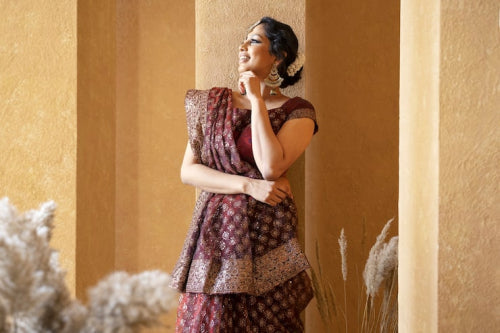
Conscious fashion consumers increasingly seek materials that deliver more than surface beauty. They look for fabrics rooted in natural processes, ethical production, and lasting performance. Tussar silk meets these expectations with a distinctive combination of wild origins, physical resilience, and cultural depth. Unlike more familiar cultivated silks, this variety offers a matte finish, natural strength, and a production system that supports both ecosystems and rural livelihoods. Understanding its benefits helps shoppers make informed choices that align personal style with broader values of transparency and responsibility.
Fast fashion erodes cultural heritage, sidelining artisans and reducing traditions to trends. At IndieHaat, we champion India's craftspeople with handcrafted sarees, apparel, décor, and skincare rooted in authenticity. Each piece embodies skill and ethical care. Support artisans and preserve India's timeless legacy Shop Now!
Understanding Tussar Silk and Its Wild Origins
Tussar silk, also known as Tasar or Tussah, comes from the cocoons of wild silkworms rather than domesticated mulberry-fed varieties. These silkworms, primarily species such as Antheraea mylitta, Antheraea pernyi, and Antheraea yamamai, feed on oak leaves and other plants from the Fagaceae family. They thrive in forest environments instead of controlled plantations, giving the resulting fiber its characteristic texture and color.
The longer fibers measure 14 to 18 microns and are thicker than those of conventional mulberry silk. This structure contributes to greater durability and a natural golden-brown hue with a matte appearance. Because the process relies on traditional methods with minimal chemical inputs, the silk retains its inherent qualities from harvest through processing. For consumers evaluating natural silk fabric benefits, these origins provide a clear point of differentiation from smoother, brighter alternatives.
Production remains largely free of intensive chemical treatments, supporting forest ecosystems while yielding a material prized for authenticity. Brands that highlight these attributes respond to shoppers who want verifiable connections between the garment and its source environment.
Physical Properties That Deliver Everyday Comfort and Performance
The advantages of tussar silk become evident in daily wear. Its superior tensile strength and elasticity allow the fabric to withstand regular use while maintaining shape. Thermoregulation properties help the material adapt to changing temperatures, making it suitable for varied climates and seasons. The natural breathability supports comfort during extended wear, an important consideration for those building versatile wardrobes.
Compared with finer silks, the thicker fibers create a more substantial hand feel without sacrificing drape. The matte texture and lower brightness reduce the formal sheen often associated with traditional silk, opening possibilities for both casual and structured pieces. These tussar silk properties translate into practical benefits: garments that move with the body, resist everyday stress, and retain their character over time.
Consumers researching is tussar silk sustainable will also note that the absence of heavy chemical processing preserves the fiber's integrity. The result is a fabric that performs reliably while requiring less intensive finishing than many cultivated alternatives.
Sustainability Advantages Rooted in Forest-based Production
Sustainability forms a core reason why choose tussar silk. The wild harvesting approach minimizes resource demands associated with large-scale mulberry cultivation. Silkworms feed on existing forest flora, reducing the need for dedicated plantations, chemical fertilizers, and high water use. This regenerative pattern supports biodiversity and helps prevent soil erosion in the host environments.
Tussar silk, also known as Tussah, stands out as a premium wild silk option prized by consumers seeking authentic natural materials that align with conscious fashion values. This variety emerges from the cocoons of Antheraea mylitta, Antheraea pernyi, and Antheraea yamamai silkworms that feed exclusively on oak leaves and other plants from the Fagaceae family, thriving independently in forest environments rather than on cultivated mulberry plantations. Unlike domesticated mulberry silk, Tussah silk features longer fibers measuring 14 to 18 microns thicker and more durable along with superior tensile strength, elasticity, and thermoregulation that make it ideal for versatile applications in apparel, home textiles, and technical fabrics. Its chemical composition includes fibroin and sericin proteins with distinct molecular structures, such as lower glycine content and higher phenolic groups in sericin, contributing to a natural golden-brown hue, matte texture, and lower brightness compared to smoother silks. The production process remains largely chemical-free, relying on traditional methods that minimize resource use and support forest ecosystems without extensive chemical inputs.
Recent advancements in supply chain certification have elevated Tussar silk to international standards, ensuring traceability from soil to finished fiber while upholding ethical labor practices and environmental protection. This positions Tussar as a compelling choice for conscious fashion consumers who value not only the luxurious drape and breathability but also the reduced environmental footprint of wild silk harvesting. Brands and retailers increasingly highlight these attributes to meet rising demands for verifiable sustainability, allowing shoppers to select garments that blend heritage craftsmanship with modern eco-responsibility. By offering GOTS and OEKO-tEX certified Tussah silk, producers demonstrate full lifecycle compliance, from host plant analysis to yarn processing, fostering trust in a market where consumers scrutinize every aspect of their purchases.
The production model also aligns with circular principles. Small-scale, low-tech operations limit energy consumption and chemical inputs, delivering a biodegradable fiber that returns more readily to natural systems at the end of its life. Shoppers prioritizing natural silk fabric benefits find in tussar a material that balances luxury with measurable ecological responsibility.
How Tussar Silk Compares with Other Silk Types
Evaluating tussar silk vs other silk types clarifies its distinct position. Mulberry silk, the most common variety, produces longer, finer filaments with a smooth, lustrous surface. Tussar fibers are shorter in continuous length yet thicker overall, resulting in greater durability and a textured, less reflective finish. The chemical composition differs as well: lower glycine content and higher phenolic groups in the sericin contribute to the characteristic matte quality and golden undertones.
These differences affect both aesthetics and function. Tussar drapes with a slightly more substantial presence, making it well suited to structured garments, home textiles, and pieces intended for frequent use. Mulberry silk excels in fluid eveningwear where high sheen is desired. For buyers seeking authenticity and resilience over polished brightness, tussar presents a compelling alternative.
The wild origin further distinguishes it. Cultivated silks depend on controlled rearing environments, while tussar relies on forest ecosystems. This independence from intensive agriculture supports the material's lower impact profile and appeals to consumers who value traceable, nature-based production systems.
Supporting Rural Livelihoods and Artisan Heritage
Beyond material qualities, tussar silk carries social significance. Targeted initiatives have strengthened the value chain across rural regions by establishing disease-free seed production, private host-tree plantations, and decentralized grainage enterprises. These efforts expand opportunities from seedling raising and silkworm rearing through cocoon processing, yarn production, and weaving.
Tasar silk production has emerged as a powerful example of how targeted interventions can revive traditional sericulture while delivering lasting economic and environmental benefits for rural communities. Initiatives led by organizations such as PRADAN have scaled the industry across states like Bihar, Jharkhand, and Madhya Pradesh by establishing disease-free laying seed production, private plantations of host trees including Arjun and Asan, and decentralized grainage enterprises operated by tribal youth entrepreneurs. These efforts have expanded the value chain from seedling raising and silkworm rearing to cocoon processing, yarn production, and weaving, directly supporting over 50,000 families through stable income streams and reduced uncertainty in rearing cycles as detailed in Tasar silk value chain development. Government collaboration with bodies like the Central Silk Board has further institutionalized these models, enabling technology upgrades, technical training, and market linkages that boost productivity and profitability without relying on intensive resource inputs. The process involves regenerating thousands of hectares of natural flora on private lands, providing silkworms with sustainable fodder while preserving biodiversity and preventing soil erosion in the host ecosystems.
Producers, many of whom are women and marginalized groups, gain skills in multi-stakeholder coordination, from community champions to graineurs handling seed enterprises, creating self-governing institutions that ensure long-term viability. This regenerative approach contrasts sharply with conventional sericulture by minimizing chemical fertilizers, water consumption, and energy use, while offering a lower carbon footprint through small-scale, low-tech operations. As a result, Tasar silk supports circular economic principles, with backward and forward linkages that empower local economies and mitigate rural migration. Conscious fashion consumers benefit from this framework because it delivers garments that are not only biodegradable and ethically sourced but also traceable to specific communities, aligning perfectly with preferences for products that advance social equity and ecological stewardship. The success of such programs highlights how strategic support for indigenous crafts can drive sustainable growth, inspiring broader adoption in global markets where buyers seek meaningful alternatives to fast fashion and synthetic-heavy supply chains.
Producers gain expertise in multi-stakeholder coordination, from community champions to entrepreneurs managing seed enterprises. The result is a self-sustaining system that regenerates natural flora while preserving traditional knowledge. Conscious consumers benefit because the garments they choose are traceable to specific communities and practices that advance both ecological stewardship and social equity.
Practical Considerations for Selecting and Caring for Tussar Silk
When evaluating benefits of tussar silk for personal wardrobes, several practical factors stand out. The fabric's natural strength supports longevity, reducing the need for frequent replacement. Its breathability and thermoregulation make it adaptable across seasons, while the matte texture pairs easily with both neutral and bold color palettes.
Care remains straightforward. Gentle hand washing or professional cleaning preserves the fiber's integrity. Avoiding harsh detergents and high heat protects the natural proteins and maintains the characteristic hand feel. Because the material is largely free of intensive chemical finishes, it responds well to minimal intervention.
Shoppers can look for certified options that confirm responsible sourcing. Transparency about origin, host plants, and processing methods provides additional assurance. Selecting pieces from makers who work directly with artisan communities further strengthens the connection between purchase and positive impact.
Making Informed Choices as a Conscious Consumer
The decision to choose tussar silk rests on a combination of performance, environmental responsibility, and cultural continuity. Its wild origins deliver a fabric with measurable advantages in durability, comfort, and reduced processing intensity. Certification systems now make these qualities verifiable, while community-centered production models extend benefits to rural producers and forest ecosystems.
For those exploring natural silk fabric benefits, tussar offers a clear alternative to both synthetic materials and more intensively cultivated silks. The thicker fibers, matte aesthetic, and ethical supply chains respond directly to the priorities of modern conscious fashion. By understanding these attributes, consumers can select garments that reflect personal values without compromising on quality or style.
As interest in authentic, traceable textiles continues to grow, tussar silk stands as a material that bridges heritage craftsmanship with contemporary expectations. Its place in thoughtful wardrobes is secured by the tangible advantages it provides advantages grounded in nature, strengthened by careful stewardship, and available to those ready to look beyond conventional options.
Frequently Asked Questions
What are sustainable sarees and how are they different from traditional sarees?
Sustainable sarees are eco-friendly garments made using responsible materials, ethical production methods, and processes that reduce environmental impact. Unlike some traditional saree production methods, sustainable saree manufacturing focuses on minimizing waste, conserving resources, and supporting conscious fashion choices.
Which eco-friendly materials are used in sustainable saree production?
Sustainable sarees are often created using organic cotton, recycled fabrics, natural dyes, handloom textiles, and other environmentally friendly materials. These fabrics help reduce chemical usage and promote more responsible fashion practices while maintaining elegance and comfort.
Why should you choose sustainable sarees for an eco-conscious wardrobe?
Choosing sustainable sarees allows you to combine traditional style with environmentally responsible fashion. They support ethical artisans, reduce the carbon footprint of clothing production, and offer a stylish alternative for consumers looking for sustainable fashion options.
Disclaimer: The above helpful resources content contains personal opinions and experiences. The information provided is for general knowledge and does not constitute professional advice.
You may also be interested in: Natural Fabrics for Clothing: A Buyers Guide - Indiehaat.com
Fast fashion erodes cultural heritage, sidelining artisans and reducing traditions to trends. At IndieHaat, we champion India's craftspeople with handcrafted sarees, apparel, décor, and skincare rooted in authenticity. Each piece embodies skill and ethical care. Support artisans and preserve India's timeless legacy Shop Now!
Powered by flareAI.co