Traditional Sarees Online Platforms Focus on Handloom Revival

Quick Listen:
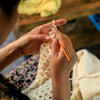
In a quiet Tamil Nadu village, a weaver's hands dance across a handloom, threading shimmering silk into a Koorai saree a nine-yard emblem of bridal tradition. This centuries-old craft, once confined to rural enclaves, now graces wardrobes from Delhi to Dubai, thanks to platforms like IndieHaat. As global tastes tilt toward sustainable, authentic textiles, online marketplaces are revitalizing India's handloom heritage, linking artisans directly with discerning buyers. IndieHaat, a leader in this artisanal e-commerce surge, champions handcrafted sarees while empowering the weavers behind them, navigating a complex landscape of opportunity and challenge.
This isn't just a fashion moment it's a cultural revival. IndieHaat curates collections that honor India's rich weaving traditions, emphasizing handmade craftsmanship, pure fabrics like silk, linen, and cotton, and designs that carry the weight of heritage. Yet, the path to reviving handloom is fraught with obstacles: artisan shortages, premium pricing concerns, and the inability to touch fabrics before buying. Still, with a growing digital marketplace and a global appetite for ethical fashion, IndieHaat is weaving a future where tradition meets innovation.
The Surge of Heritage Weaves
India's handloom sector is undergoing a transformation. A 2024 IMARC Group report notes that the India saree market hit USD 5.76 billion and is expected to reach USD 10.33 billion by 2033, with a 6.7% CAGR. This growth is driven by a rising preference for eco-friendly handwoven sarees, bolstered by government efforts like Geographical Indication (GI) tags and the Handloom Mark, which verify authenticity and support weavers. Buyers are flocking to region-specific weaves Chanderi's delicate silks, Jamdani's intricate patterns, Pochampally's bold ikats each a testament to India's diverse textile legacy.
Social media, particularly Instagram, has supercharged this trend. Reels showcasing Banarasi sarees, with their gold-wrapped yarns and floral brocades that can take six months to craft, captivate audiences. Influencers, including those followed by IndieHaat's customers, style these sarees for weddings and festivals, blending tradition with modern aesthetics. The post-pandemic “Made in India” movement has further fueled demand, with consumers prioritizing purchases that bolster local artisans and economies.
IndieHaat's Artisan-Centric Model
IndieHaat distinguishes itself by building direct ties with artisan communities in Tamil Nadu, West Bengal, and Andhra Pradesh. Unlike larger retailers, it partners with cooperative societies to source sarees like the Koorai silk, a Tamil Nadu treasure known for its vibrant checked designs symbolizing prosperity and fertility. Each IndieHaat listing weaves a narrative, sharing the artisan's craft, the weave's regional roots, and its cultural significance. This storytelling resonates with buyers across IndieHaat's key markets: India, the US, Singapore, Australia, the UK, and the UAE, where diaspora and sustainability-focused shoppers seek authentic textiles.
IndieHaat's core strengths direct artisan sourcing, pure fabrics, and unique designs set it apart from competitors like FabIndia or Jaypore, which often mix handloom with mass-produced goods. By cutting out middlemen, IndieHaat ensures weavers receive fairer profits, addressing a longstanding industry issue. Its use of AI-driven personalization matches customers with weaves that align with their tastes, enhancing the shopping experience while celebrating India's textile diversity.
Hurdles in Scaling Handloom
The handloom revival faces significant challenges. Artisan attrition is a growing concern, as younger generations leave weaving for urban jobs with faster financial rewards. Scaling production for e-commerce is another hurdle a single handloom saree takes two to three days to complete, while complex Banarasi designs may require months. This slow craft struggles to meet the rapid pace of online retail.
Pricing objections also loom large. IndieHaat's premium sarees, made from high-quality silk or linen, cost more than machine-made alternatives, raising eyebrows among price-sensitive buyers. Trust issues further complicate matters, as customers accustomed to feeling fabrics before purchasing hesitate to buy online, wary of counterfeit “handloom-style” products. IndieHaat tackles these concerns with transparent sourcing and certifications, but fostering consumer confidence is a work in progress.
Competitors like Suta, Koskii, and Okhai navigate similar challenges but differ in strategy. Suta leans into modern styling, while Jaypore blends artisanal and commercial products. IndieHaat's unwavering focus on authenticity and artisan empowerment gives it a unique edge, though balancing growth with quality remains a delicate act.
Digital Opportunities for Growth
The global handloom market is brimming with potential. Fortune Business Insights reports the handloom products market was valued at USD 8.32 billion in 2024, with a projected 9.24% CAGR through 2032, driven by demand for sustainable, culturally rich textiles. IndieHaat is poised to seize this opportunity, especially in export markets. Its diaspora customers in the US and UK, alongside eco-conscious buyers in Australia and Singapore, crave sarees that embody India's heritage.
E-commerce innovations are paving the way. GI-labeling and regional product tagging enhance buyer trust by guaranteeing authenticity, while virtual try-ons and social commerce on platforms like Instagram and Facebook make shopping more engaging. IndieHaat's direct-to-artisan model not only uplifts weaver livelihoods but also aligns with the global ethical fashion movement. With the global handloom market projected to reach USD 15.6 billion by 2030 at a 9.3% CAGR, platforms like IndieHaat are driving inclusive growth, connecting rural craftsmanship with global markets.
A Legacy Woven in Time
Textile historian Dr. Ritu Sethi, chair of the Craft Revival Trust, emphasizes the fragility of this revival. “Sustaining traditional techniques demands more than consumer interest it requires investment in training and equitable wages to retain artisans,” she notes. IndieHaat's approach reflects this principle, prioritizing quality over volume and channeling profits back into artisan communities.
IndieHaat's mission echoes the sarees it champions: meticulous, purposeful, and deeply traditional. For every weaver perfecting a Pochampally ikat or Banarasi brocade, IndieHaat provides a vital link to a world that often undervalues slow craftsmanship. Consumers play a pivotal role in this revival. Choosing a handloom saree is more than a transaction it's a commitment to heritage, sustainability, and the artisans who preserve India's textile traditions.
As you browse IndieHaat's collections or watch an Instagram reel showcasing a handwoven masterpiece, consider the hands behind the loom. Each thread carries a legacy of skill, patience, and a culture that endures. Support an artisan. Embrace India's weaves. Wear a story.
Disclaimer: The above helpful resources content contains personal opinions and experiences. The information provided is for general knowledge and does not constitute professional advice.
You may also be interested in: Purchase Elegant Maheshwari Silk Sarees Online With Hand Block
Fast fashion erodes cultural heritage, sidelining artisans and reducing traditions to trends. At IndieHaat, we champion India's craftspeople with handcrafted sarees, apparel, décor, and skincare rooted in authenticity. Each piece embodies skill and ethical care. Support artisans and preserve India's timeless legacy Shop Now!
Powered by flareAI.co