Traditional Block Printing Revives Interest in Handmade Fabrics
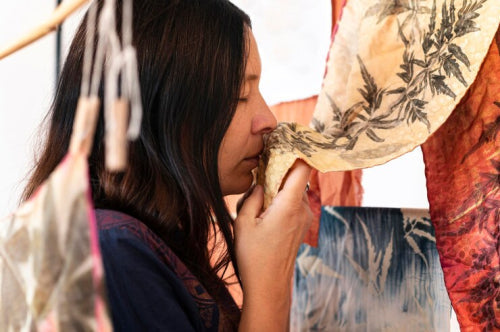
Amid the relentless churn of fast fashion, a profound shift is taking place. Artisans worldwide are breathing new life into the ancient art of block printing, turning plain fabric into vibrant canvases of culture and craftsmanship. This labor-intensive process where intricately carved wooden blocks are inked and pressed onto textiles has found renewed relevance in a world craving authenticity. From the vibrant bazaars of Rajasthan to chic urban boutiques, block-printed fabrics are capturing the imagination of consumers who value heritage and sustainability. The global textile printing market, projected to grow from $5.79 billion in 2025 to $7.20 billion by 2030 at a CAGR of 4.46%, underscores the rising demand for such artisanal techniques.
The allure of block printing lies in its human touch. Every subtle irregularity be it a faint smudge or a slightly uneven line bears the mark of the artisan's hand, offering a stark contrast to the uniformity of machine-made goods. Platforms like IndieHaat, dedicated to promoting handmade craftsmanship, are at the forefront of this revival, championing a movement that preserves cultural traditions while aligning with modern ethical values. As consumers increasingly reject disposable fashion, block printing emerges as a powerful symbol of sustainability and intentionality.
A Renaissance in Traditional Craftsmanship
The textile industry is undergoing a transformative evolution. Valued at $2.93 billion in 2023, the global textile printing market is expected to reach $10.24 billion by 2032, driven by a robust CAGR of 14.9%. Block printing, with its minimal environmental footprint, stands as a cornerstone of this growth. Unlike industrial printing, which often relies on water-intensive processes, block printing frequently employs natural dyes and eco-friendly methods, appealing to environmentally conscious consumers. This shift reflects a broader industry trend toward sustainable practices, with innovations like waterless printing and certified eco-inks gaining traction, as noted in a comprehensive market analysis.
Designers are embracing this resurgence with enthusiasm. Both luxury fashion houses and independent studios are incorporating block-printed textiles into their collections, merging traditional patterns with modern aesthetics. These collaborations between artisans and global brands are creating a dynamic fusion of old and new, bringing handcrafted fabrics to high-fashion runways and mainstream retailers. IndieHaat plays a pivotal role by connecting artisans with international audiences, offering block-printed sarees, scarves, and home furnishings that embody the spirit of their creators.
Consumer demand is a key catalyst. In the U.S., where the printed textile market reached 1.7 billion square meters in 2024, millennials and Gen Z are driving a preference for unique, artisanal products, according to industry insights. Globally, the printed textile market, valued at $146.5 billion in 2018, continues to expand at a CAGR of 8.9%, fueled by rising disposable incomes in emerging economies like India and Brazil. E-commerce platforms have amplified this trend, enabling consumers to access handmade textiles from artisans across the globe with unprecedented ease.
Shaping Trends from Fabric to Fashion
Step into a boutique in San Francisco or browse an online marketplace, and the intricate patterns of block-printed textiles are impossible to miss. These fabrics grace everything from elegant dresses to cozy bedspreads, their designs radiating a sense of timeless artistry. Renowned designers have woven block printing into their collections, celebrating India's textile heritage while captivating global audiences. Their work highlights the craft's versatility, seamlessly blending tradition with contemporary style.
IndieHaat serves as a vital platform for showcasing this artistry, curating block-printed products that reflect the dedication of small-scale artisans. Crafting a single block-printed garment, such as a kurta, demands hours of precision carving the wooden block, preparing natural dyes, and stamping the fabric with care. These creations resonate deeply with consumers who seek meaning in their purchases. The home décor sector is also embracing block printing, with tablecloths, curtains, and cushions adding warmth and character to living spaces.
The craft's global appeal is undeniable. In China's Yangtze River Delta, a key textile hub, traditional techniques like block printing hold cultural significance even as digital printing gains ground, as reported in a market study. Block printing's adaptability suitable for materials like cotton, silk, and linen makes it a versatile choice for both fashion and interiors. Customers on platforms like IndieHaat consistently praise the durability and individuality of block-printed goods, which often outlast mass-produced alternatives.
Navigating Challenges to Growth and Sustainability
Despite its momentum, the revival of block printing faces significant obstacles. Sourcing sustainable materials, such as organic cotton or non-toxic dyes, poses logistical challenges, particularly for small artisans with limited resources. The craft's time-intensive nature results in higher costs, making it difficult for independent makers to compete with the low prices of fast fashion. Producing a single block-printed scarf can take days, while industrial factories churn out thousands of machine-printed items in mere hours.
A critical skills shortage further complicates the landscape. As veteran artisans retire, fewer young people are mastering the craft, raising concerns about its long-term survival. While training initiatives are emerging, scaling them to meet growing demand remains a challenge. Authenticity is another pressing issue, with mass-produced imitations flooding the market and undermining genuine block-printed goods. Platforms like IndieHaat address this by rigorously verifying the origins of their products, ensuring customers receive authentic, ethically crafted items.
Environmental considerations add another layer of complexity. Although block printing is generally more sustainable than industrial methods, scaling production without compromising eco-friendly practices requires innovation. Artisans are exploring plant-based dyes and water-conserving techniques, but these advancements demand investment and expertise. Regulatory pressures are intensifying, with the industry being pushed toward greener practices, yet small-scale producers often struggle to keep pace, as highlighted in a detailed report.
Seizing Opportunities in a Growing Market
The challenges are real, but the opportunities are immense. Block printing aligns seamlessly with the slow fashion movement, which emphasizes quality and longevity over disposable trends. Niche markets, including eco-conscious consumers and luxury buyers seeking exclusivity, offer fertile ground for growth. Collaborations between artisans and brands provide a scalable model, allowing traditional techniques to reach broader audiences while preserving their integrity.
The economic benefits are equally compelling. By empowering artisans, platforms like IndieHaat strengthen local economies, particularly in rural regions where block printing is a primary source of income. In India, entire communities rely on textile crafts for their livelihoods. E-commerce has revolutionized access, enabling artisans to connect directly with global consumers and bypass traditional intermediaries. Innovations like digital platforms are reshaping the textile printing market, complementing traditional methods with modern efficiencies, as noted in a market analysis.
Artisans are also finding ways to enhance efficiency. Standardized block designs and improved workflows are reducing production times without sacrificing quality. IndieHaat's approach curating and promoting handcrafted goods demonstrates how technology can amplify traditional crafts, offering a scalable model for the industry.
Building a Sustainable Future with Timeless Craftsmanship
As the global textile printing market surges toward 37.0 billion square meters by 2030, with a CAGR of 4.6%, block printing remains a powerful testament to human ingenuity. Industry experts forecast that ethical consumerism will continue to fuel demand for handmade textiles, with sustainability at the core of the industry's trajectory. IndieHaat, by supporting artisans and raising awareness, is well-positioned to lead this transformation.
Block printing's enduring charm lies in its ability to evolve while remaining anchored in tradition. It invites consumers to pause and appreciate the artistry behind their clothing and home décor. Choosing block-printed fabrics is an act of defiance against a throwaway culture a commitment to pieces imbued with meaning. For artisans, it represents a lifeline, ensuring their skills are passed down through generations. In an era of fleeting trends, block printing's timeless resonance offers a vision of a more thoughtful, sustainable future.
Disclaimer: The above helpful resources content contains personal opinions and experiences. The information provided is for general knowledge and does not constitute professional advice.
You may also be interested in: Buy Enigmatic Pure Maheshwari Silk Saree Online – Indiehaat.com
Fast fashion erodes cultural heritage, sidelining artisans and reducing traditions to trends. At IndieHaat, we champion India's craftspeople with handcrafted sarees, apparel, décor, and skincare rooted in authenticity. Each piece embodies skill and ethical care. Support artisans and preserve India's timeless legacy Shop Now!
Powered by flareAI.co