The Value of Handcrafted Sarees in the Global Market
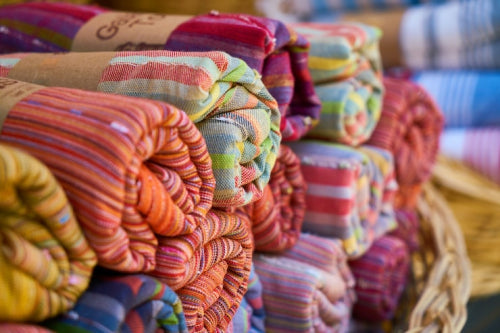
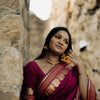
In an age of fleeting trends and disposable clothing, handcrafted sarees remain a powerful symbol of enduring elegance and cultural depth. Woven entirely by hand using only pure linen, silk, or cotton, these garments carry the skill of generations of Indian artisans. Platforms such as IndieHaat, a carefully curated Bangalore-based brand, bring these authentic pieces directly from weavers to wardrobes across continents preserving heritage while championing ethical, sustainable production.
Far from being relics of the past, handcrafted sarees are finding fresh relevance in global fashion conversations, particularly among those who value authenticity, craftsmanship and conscious consumption.
Fast fashion erodes cultural heritage, sidelining artisans and reducing traditions to trends. At IndieHaat, we champion India's craftspeople with handcrafted sarees, apparel, décor and skincare rooted in authenticity. Each piece embodies skill and ethical care. Support artisans and preserve India's timeless legacy Shop Now!
Why Handcrafted Sarees Continue to Captivate
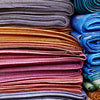
Each saree tells a quiet story of village looms, inherited techniques and patient artistry. Tussar silk offers its distinctive natural texture, airy linen brings effortless breathability and fine cotton delivers timeless comfort. Unlike factory-made garments, no two handcrafted pieces are identical; subtle variations in weave, dye uptake and border design make every drape personal and unrepeatable.
This individuality resonates strongly today. As consumers increasingly seek alternatives to mass production, handloom sarees answer the call for meaningful, slow-fashion choices that honor both people and planet.
The Silk & Handloom Context Supporting This Rise
The appeal of handcrafted sarees sits within broader market momentum. The global silk market reached USD 20.0 billion in 2024 and continues to expand steadily, driven by its luxurious feel and growing use beyond fashion in cosmetics, wellness and medical textiles (IMARC Group). Silk textiles specifically are experiencing even stronger interest, fueled by demand for organic silk, environmentally friendlier dyes and applications in comfortable athleisure and mindful dressing.
While precise long-term projections vary, industry observers note consistent year-on-year growth, especially in regions that prize heritage craftsmanship and sustainable luxury. In practical terms, this translates to wider availability of high-quality handloom pieces and greater appreciation for their story and substance.
Regional Appeal: From Diaspora Roots to Crossover Style
Demand patterns differ across markets, yet shared threads emerge.
United States & Canada
Indian and South Asian communities keep authentic handloom sarees central to weddings, festivals and milestone celebrations. At the same time, a broader audience discovers them through boutique retailers, fashion influencers and curated online platforms. Interest often centers on breathable cotton sarees for summer events and richly textured Tussar silk for evening wear.
United Kingdom & Europe
Similar diaspora demand exists, but European buyers also respond to the slow-fashion and ethical-production narrative. Handcrafted sarees appear in multicultural wardrobes, at gallery openings, charity galas and fusion-fashion events. The emphasis on traceable origins and low-impact materials aligns closely with prevailing sustainability priorities across the continent.
In all three regions, online marketplaces have removed traditional barriers, allowing customers to explore regional weaves Kolkata Tussar, Odisha ikat-inspired cottons, or lightweight Banarasi silks without leaving home.
Overcoming the Most Common Hesitations
Despite growing enthusiasm, several practical concerns persist:
- Price: Handmade production requires time and skill; prices naturally reflect that reality and position sarees as considered, long-term wardrobe investments rather than fast-fashion items.
- Touch & feel: Online shopping lacks the tactile experience of in-person draping. Detailed close-up photography, short artisan videos, zoomable fabric swatches and transparent return policies help bridge this gap.
- Authenticity: Fear of machine-made imitations is real. Reputable curators counter this by working directly with verified artisan groups, sharing origin stories and when possible providing handloom certification details.
Platforms that prioritize trust signals and storytelling tend to convert hesitant browsers into confident buyers.
Real-World Momentum & Modern Adaptations
Across North America and Europe, handcrafted sarees appear in increasingly diverse contexts:
- fusion styling at cultural festivals and art openings
- statement pieces layered over contemporary separates
- red-carpet and editorial features highlighting ethical luxury
- wardrobe staples for women seeking comfortable yet elegant occasion wear
Younger buyers frequently re-interpret the six-yard silhouette pleating it into skirts, knotting it as tops, or draping it asymmetrically demonstrating how tradition evolves without losing its essence.
Looking Ahead: Sustainable Luxury with Cultural Depth
Handcrafted sarees occupy a rare intersection: they are simultaneously heritage objects, ethical purchases and versatile fashion pieces. As interest in traceable, low-impact clothing strengthens across the United States, Canada and Europe, these garments stand out as meaningful alternatives to overproduced trends.
Direct-to-consumer models continue to shorten supply chains, improve artisan livelihoods and deliver better value to buyers. When paired with thoughtful digital storytelling images of the weaver at the loom, explanations of natural dyeing processes, videos of draping techniques the emotional connection deepens.
Ultimately, the quiet power of a handcrafted saree lies in its ability to carry centuries of skill into the present while remaining relevant to modern lives. In wardrobes that value quality over quantity, authenticity over imitation and story over sameness, these timeless textiles continue to weave their place one thoughtful thread at a time.
Frequently Asked Questions
What makes handcrafted sarees different from machine-made sarees?
Handcrafted sarees are woven entirely by hand using pure natural fibers such as linen, silk, or cotton, making each piece truly one-of-a-kind. Subtle variations in weave, dye uptake and border design mean no two handloom sarees are identical something factory production simply cannot replicate. This individuality, combined with generations of inherited artisan skill, positions handcrafted sarees as meaningful slow-fashion investments rather than disposable garments.
Why are handcrafted silk and handloom sarees growing in popularity worldwide?
The global silk market reached USD 20.0 billion in 2024 and continues to expand, driven by rising demand for organic silk, sustainable dyeing methods and heritage craftsmanship. In markets like the United States, Canada and Europe, both diaspora communities and conscious consumers are seeking out authentic handloom sarees for weddings, cultural events and everyday ethical fashion. The shift toward slow fashion and traceable, low-impact clothing has brought handcrafted sarees into mainstream global fashion conversations.
How can I verify the authenticity of a handcrafted saree when buying online?
To ensure you're purchasing a genuine handloom saree, look for platforms that work directly with verified artisan groups and share the origin story behind each piece. Reputable sellers typically provide handloom certification details, close-up fabric photography, artisan videos and transparent return policies to help buyers assess quality without handling the fabric in person. Platforms that emphasize direct-to-consumer supply chains connecting weavers to buyers without middlemen are generally a strong indicator of authenticity and ethical sourcing.
Disclaimer: The above helpful resources content contains personal opinions and experiences. The information provided is for general knowledge and does not constitute professional advice.
You may also be interested in: How E-Commerce Is Helping Small Artisans Reach a Global Market
Fast fashion erodes cultural heritage, sidelining artisans and reducing traditions to trends. At IndieHaat, we champion India's craftspeople with handcrafted sarees, apparel, décor and skincare rooted in authenticity. Each piece embodies skill and ethical care. Support artisans and preserve India's timeless legacy Shop Now!
Powered by flareAI.co