The True Cost of Fast Fashion and Why Handcrafted Pieces Matter
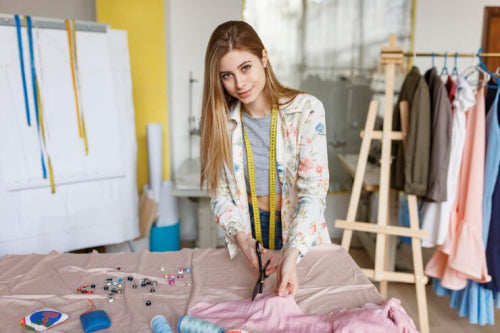
In an era of lightning-fast trends and bargain-bin prices, the fashion industry has conditioned many of us to refresh our wardrobes seasonally if not monthly. Yet this convenience carries a steep hidden cost: rivers contaminated by textile dyes, overflowing landfills choked with discarded clothing and communities bearing the burden of exploitative supply chains. Across the United States, Canada and Europe, a growing number of thoughtful consumers are looking for alternatives that feel more responsible and more lasting. Handcrafted garments especially those rooted in centuries-old traditions are quietly emerging as one of the most meaningful responses to fast fashion's excesses.
Nowhere is this contrast more striking than in the world of artisanal Indian textiles. Brands like IndieHaat are making it easier for international shoppers to discover authentic handloom sarees, linen garments and pure silk pieces created directly by skilled artisans prioritizing craftsmanship, ethical production and cultural integrity over mass output.
Fast fashion erodes cultural heritage, sidelining artisans and reducing traditions to trends. At IndieHaat, we champion India's craftspeople with handcrafted sarees, apparel, décor and skincare rooted in authenticity. Each piece embodies skill and ethical care. Support artisans and preserve India's timeless legacy Shop Now!
The Real Price Tag of Fast Fashion
The environmental footprint of conventional fashion is enormous. The industry remains one of the largest industrial consumers of water globally and a major contributor to greenhouse gas emissions. Synthetic fabrics, which dominate fast-fashion inventories, shed microplastics with every wash, while mountains of unsold or barely worn garments end up incinerated or buried.
In North America and Europe, awareness campaigns, stricter waste regulations and visible consequences such as textile waste piling up in municipal systems have pushed the conversation forward. Many shoppers now recognize that cheap clothing rarely stays cheap when factoring in its social and ecological toll. The appeal of slower, more considered purchasing decisions continues to grow.
Why Handcrafted Fashion Is Finding New Audiences
Consumers in the US, Canada and across Europe are increasingly drawn to clothing that tells a story and stands the test of time. Interest in ethical fashion, sustainable clothing, handloom sarees and artisanal Indian textiles reflects a broader desire for transparency and meaning in what we wear.
Handcrafted pieces made from natural fibres linen, cotton, tussar silk offer tangible advantages: breathable comfort in warm weather, elegant drape and durability that outlasts trend-driven items by years rather than months. Government initiatives in India, including Geographical Indication tags and the Handloom Mark, help verify authenticity and support weaver communities, giving buyers added confidence that their purchase contributes positively.
E-commerce platforms, social media storytelling and improved photography have lowered barriers for shoppers thousands of miles away. Detailed close-ups, artisan profiles and honest sizing guidance help bridge the traditional “touch and feel” gap that once made online purchases of handwoven textiles feel risky.
IndieHaat: Bringing Authentic Craftsmanship to Global Wardrobes
Based in Bangalore, IndieHaat works directly with artisans across India to curate collections of handmade apparel, accessories and home textiles. Every piece is selected for quality, cultural authenticity and ethical production standards. The brand deliberately limits itself to natural fabrics linen, silk, cotton avoiding synthetic blends entirely.
This focused approach addresses several common objections:
- Higher price points: While handcrafted items cost more upfront, their longevity and timeless design often make them more economical over time compared with disposable fast-fashion alternatives.
- Trust and transparency: By sharing artisan stories, traditional techniques and direct-from-maker sourcing, IndieHaat builds credibility that generic mass-market labels rarely achieve.
- Online tactile uncertainty: High-resolution images, fabric descriptions and responsive customer support help distant buyers feel more secure in their choices.
Real-World Barriers and Realistic Paths Forward
Shifting toward handcrafted fashion is not without friction. Production remains small-scale and labour-intensive, which naturally limits availability and keeps prices in the premium range. Shipping handwoven garments internationally involves customs, duties and longer delivery windows that can test patience.
Yet these challenges are steadily easing. Digital traceability tools, better cross-border logistics and growing consumer education are making artisanal pieces more accessible. In markets less familiar with sarees or tussar silk, brands that invest in storytelling and education tend to convert curiosity into loyalty.
A Larger Opportunity for More Meaningful Consumption
Choosing handcrafted clothing is both a personal statement and part of a broader cultural and economic shift. In premium segments across North America and Europe, shoppers increasingly reward brands that demonstrate genuine care for people, for heritage and for the planet. When purchases support skilled artisans, preserve traditional techniques and reduce reliance on resource-heavy fast production, everyone benefits.
The India saree market, for example, reflects rising domestic and international appetite for sustainable handwoven options, while the global handloom sarees market continues to expand, with Asia Pacific maintaining strong leadership. These trends signal that demand for thoughtful, well-made textiles is not a passing fad but a durable change in preference.
Choosing With Greater Intention
Fashion will always evolve, but the direction of that evolution is no longer inevitable. More of us are asking whether the next purchase adds clutter or adds value whether it honours the hands that made it or contributes to systems that strain both people and ecosystems.
Handcrafted garments offer a quiet but powerful alternative: pieces that age gracefully, carry stories worth telling and remind us that beauty and responsibility need not be at odds. For anyone ready to step away from the fast-fashion treadmill, curated collections like those at IndieHaat provide a tangible, beautiful place to begin.
In the end, the most meaningful wardrobe is not the fullest one it is the one that reflects our values every time we open the closet door.
Frequently Asked Questions
Why is fast fashion bad for the environment?
Fast fashion is one of the largest industrial consumers of water globally and a major contributor to greenhouse gas emissions. Synthetic fabrics shed microplastics with every wash and unsold or barely worn garments frequently end up incinerated or buried in landfills. Beyond environmental damage, the industry also relies on exploitative supply chains that harm communities. The true cost of cheap clothing becomes clear when its social and ecological toll is factored in.
What are the benefits of buying handcrafted and handloom clothing over fast fashion?
Handcrafted garments made from natural fibres like linen, cotton and tussar silk offer breathable comfort, elegant drape and durability that outlasts trend-driven fast-fashion items by years. They also carry cultural authenticity, often verified through initiatives like India's Geographical Indication tags and the Handloom Mark. While the upfront cost is higher, their longevity and timeless design typically make them more economical over time. Purchasing handcrafted pieces also directly supports skilled artisan communities and helps preserve traditional weaving techniques.
How can I buy authentic artisanal Indian textiles and handloom sarees online?
Platforms like IndieHaat make it easier for international shoppers in the US, Canada and Europe to discover authentic handloom sarees, linen garments and pure silk pieces sourced directly from Indian artisans. To bridge the "touch and feel" gap of online shopping, reputable brands provide high-resolution images, detailed fabric descriptions, artisan profiles and responsive customer support. Looking for sellers who share transparent sourcing information and limit themselves to natural fabrics avoiding synthetic blends is a good indicator of ethical and authentic craftsmanship.
Disclaimer: The above helpful resources content contains personal opinions and experiences. The information provided is for general knowledge and does not constitute professional advice.
You may also be interested in: Why Handmade Still Matters in an Age of Mass-Produced Fashion
Fast fashion erodes cultural heritage, sidelining artisans and reducing traditions to trends. At IndieHaat, we champion India's craftspeople with handcrafted sarees, apparel, décor and skincare rooted in authenticity. Each piece embodies skill and ethical care. Support artisans and preserve India's timeless legacy Shop Now!
Powered by flareAI.co