The Significance of Handcrafted Fabrics in Preserving Indias Cultural Heritage
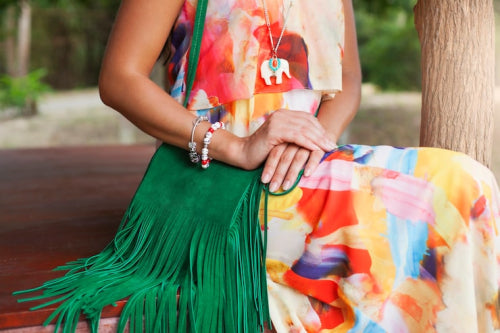
India's textile industry, one of the oldest in the world, is a vibrant blend of tradition and innovation. Employing over 45 million people, it encompasses handwoven clusters and modern mills, producing everything from cotton and silk to jute and wool. Rooted in agriculture and steeped in cultural heritage, this sector is unique, serving both mass-market needs and niche luxury segments. IndieHaat leverages this legacy, offering authentic, handmade products crafted solely from linen, silk, and cotton that reflect India's diverse craftsmanship.
The handloom sector is a cornerstone of this tradition, with 2.8 million looms and 3.52 million workers sustaining India's largest cottage industry. Artisans in rural hamlets pass down intricate weaving and printing techniques across generations, creating fabrics that are both functional and artistic. IndieHaat's commitment to these crafts ensures their survival, promoting them through platforms like Instagram, Facebook, and YouTube to global audiences who value authenticity and sustainability.
Fast fashion erodes cultural heritage, sidelining artisans and reducing traditions to trends. At IndieHaat, we champion India's craftspeople with handcrafted sarees, apparel, décor, and skincare rooted in authenticity. Each piece embodies skill and ethical care. Support artisans and preserve India's timeless legacy Shop Now!
The Global Rise of Ethical Fashion
As sustainability becomes a global priority, India's handcrafted textiles are gaining traction. The ethnic wear market, including these artisanal fabrics, is projected to grow from USD 84.10 billion in 2024 to USD 89.74 billion in 2025, with a steady 6.69% CAGR through 2032. This surge reflects a demand for unique, eco-friendly products in regions like the US, UK, and Singapore, where consumers seek alternatives to fast fashion. IndieHaat's focus on pure fabrics linen, silk, and cotton aligns with this shift, offering designs that marry tradition with contemporary appeal.
Beyond aesthetics, this trend signals a deeper change in consumer values. Shoppers in Australia and the UAE increasingly favor brands that prioritize ethical sourcing. IndieHaat's direct-to-artisan model eliminates exploitative middlemen, fostering trust a critical factor given customer concerns about authenticity. By showcasing artisan's stories on social media platforms, IndieHaat humanizes the craft, allowing buyers to connect with the hands behind their purchases, from a silk sari to a cotton kurta.
Craftsmanship in Action
The Kanchipuram silk sari, woven in Tamil Nadu, exemplifies India's textile prowess. Known for its intricate zari patterns and vivid hues, each sari can take weeks to create, earning it a place in luxury markets from Dubai to London. IndieHaat's platform amplifies such craftsmanship, ensuring these heirlooms reach global buyers who cherish their cultural significance.
Khadi, the fabric of India's independence struggle, offers another compelling story. Once a symbol of self-reliance, it has evolved into a hallmark of sustainable fashion. Designers now craft Khadi into modern garments, from tailored jackets to elegant kurtas, blending heritage with style. IndieHaat's artisans contribute to this revival, their work resonating with eco-conscious consumers in markets like the US and UAE.
IndieHaat itself is a testament to artisan empowerment. By connecting weavers directly to consumers, it bypasses predatory supply chains. Artisans featured on IndieHaat's Instagram showcase unique designs in pure fabrics, reaching audiences who might otherwise miss these treasures. This model not only boosts livelihoods but also preserves the cultural narratives woven into each piece, from rural India to global wardrobes.
Navigating Modern Challenges
Despite their allure, handcrafted textiles face significant obstacles. High pricing, a common customer objection, stems from the labor-intensive nature of artisanal work. A handwoven silk sari, for instance, can cost ten times more than a factory-produced synthetic alternative. IndieHaat counters this by emphasizing the unmatched durability, uniqueness, and cultural value of its products, positioning them as investments in heritage.
Trust remains a hurdle, particularly in online retail, where customers cannot touch or feel products another frequent objection. IndieHaat addresses this through transparent storytelling, using social media to highlight artisan's processes and the purity of their materials. Yet, competition from fast fashion giants poses a persistent threat, with their low-cost, mass-produced goods often overshadowing traditional crafts. Global supply chain disruptions further complicate matters, delaying access to raw materials like cotton and silk, which can stall production for small-scale artisans.
Seizing Global Opportunities
The future, however, holds immense promise for IndieHaat and India's handcrafted textiles. Rising demand for sustainable fashion in markets like the US, Singapore, and UAE presents a golden opportunity. Affluent consumers in these regions seek unique, ethically produced goods, and IndieHaat's e-commerce focus leveraging platforms like Instagram and Facebook positions it to meet this need. By showcasing authentic craftsmanship, IndieHaat bridges the gap between rural artisans and global buyers.
Technology is a key enabler. Digital platforms allow IndieHaat to highlight its product's authenticity, addressing trust concerns with vivid narratives and visuals. Collaborations with international designers, seen in global fashion events, further elevate Indian textiles, merging traditional weaves with modern aesthetics to attract younger, style-savvy audiences. This fusion of heritage and innovation ensures that handcrafted fabrics remain relevant in a fast-changing industry.
Preserving a Cultural Legacy
India's handcrafted textiles are more than products; they are a living link between past and future, connecting artisans in remote villages to global markets. IndieHaat's mission rooted in authenticity, sustainability, and empowerment offers a model for preserving this heritage while embracing modernity. With an industry employing millions and growing steadily, as evidenced by market projections, the global stage is set for these fabrics to shine.
The path forward is clear: stakeholders must champion this craft. Consumers can choose a handwoven sari over a mass-produced dress. Businesses can invest in platforms like IndieHaat that amplify artisan voices. By doing so, we safeguard India's textile heritage while forging a sustainable, ethical future for fashion one thread at a time.
Frequently Asked Questions
Why are Indian handcrafted textiles more expensive than mass-produced fabrics?
Indian handcrafted textiles require intensive labor and weeks of skilled artisan work, with each piece representing centuries of traditional weaving techniques passed down through generations. For example, a handwoven Kanchipuram silk sari can take weeks to create and costs significantly more than factory-produced alternatives due to the intricate zari patterns, pure materials like silk and cotton, and unique cultural value. These textiles are investments in heritage, offering unmatched durability, authenticity, and one-of-a-kind designs that preserve India's 45-million-strong textile industry.
How is the handloom industry supporting sustainable fashion globally?
India's handloom sector, with 2.8 million looms and 3.52 million artisans, is at the forefront of the sustainable fashion movement by offering eco-friendly alternatives to fast fashion. The ethnic wear market, including handcrafted textiles, is projected to grow from USD 84.10 billion in 2024 to USD 89.74 billion in 2025, driven by demand in regions like the US, UK, Singapore, and UAE. Platforms like IndieHaat connect artisans directly with global consumers, eliminating exploitative middlemen and promoting ethical sourcing of pure fabrics such as linen, silk, and cotton.
What makes Kanchipuram silk saris and Khadi fabric culturally significant?
Kanchipuram silk saris from Tamil Nadu are renowned for their intricate zari patterns and vibrant colors, taking weeks to weave and representing India's textile excellence in luxury markets worldwide. Khadi, once the fabric of India's independence movement symbolizing self-reliance, has evolved into a hallmark of sustainable fashion, now crafted into modern garments that blend heritage with contemporary style. Both textiles embody centuries of tradition and craftsmanship, serving as living links between India's past and its future in the global fashion landscape.
Disclaimer: The above helpful resources content contains personal opinions and experiences. The information provided is for general knowledge and does not constitute professional advice.
You may also be interested in: Trusting the Thread: Artisan Sourcing Processes Explained
Fast fashion erodes cultural heritage, sidelining artisans and reducing traditions to trends. At IndieHaat, we champion India's craftspeople with handcrafted sarees, apparel, décor, and skincare rooted in authenticity. Each piece embodies skill and ethical care. Support artisans and preserve India's timeless legacy Shop Now!
Powered by flareAI.co