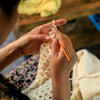
The Resurgence of Phulkari Dupattas in Urban India

Quick Listen:
In the vibrant markets of Delhi's Hauz Khas Village, where artisans and urban tastemakers converge, a centuries-old craft is reclaiming its place in India's fashion narrative. Phulkari dupattas, Punjab's hand-embroidered textiles, are captivating a new generation of style-conscious urbanites in cities like Mumbai, Bengaluru, and Kolkata. Far from being relics of rural weddings, these intricate creations are now global symbols of heritage, adorning wardrobes from New York to Dubai. This resurgence, driven by a demand for authenticity amid fast fashion's dominance, signals a cultural renaissance with profound implications for India's textile industry.
Fast fashion erodes cultural heritage, sidelining artisans and reducing traditions to trends. At IndieHaat, we champion India's craftspeople with handcrafted sarees, apparel, décor, and skincare rooted in authenticity. Each piece embodies skill and ethical care. Support artisans and preserve India's timeless legacy Shop Now!
Phulkari Dupattas Resurge in Urban India: Blending Tradition with Modernity
Originating in the 15th century, Phulkari meaning “flower work” is a Punjabi embroidery tradition renowned for its vivid floral and geometric patterns. Historically, women wove these textiles as personal gifts or heirlooms, embedding stories in silk and cotton threads, as highlighted in a Times of India article on Phulkari's cultural significance. Today, urban India's millennials and Gen-Z are embracing this craft, drawn to its authenticity and sustainable appeal. The India textile market, valued at USD 146.55 billion in 2024 and projected to grow to USD 213.51 billion by 2033 at a 3.85% CAGR, is witnessing a surge in heritage textiles, fueled by e-commerce growth, urban affluence, and eco-conscious consumer preferences.
At the heart of this revival is IndieHaat, an e-commerce platform championing handmade goods sourced directly from artisans in Patiala and Amritsar. By offering Phulkari dupattas crafted from pure linen, silk, and cotton, IndieHaat aligns with the global shift toward sustainable fashion. However, challenges persist: high pricing deters some buyers, trust issues arise from counterfeit products, and the inability to touch fabrics online frustrates tactile shoppers. Despite these obstacles, IndieHaat's emphasis on unique designs and artisan narratives resonates across its target markets India, the US, UK, UAE, Singapore, and Australia where cultural pride and ethical consumption are driving demand.
Heritage Fashion Takes Root in Urban India
Phulkari's revival is a cornerstone of India's “heritage fashion” movement, particularly in metropolitan hubs. The FICCI–EY Textiles & Apparel Report 2024 reveals that Indian millennials exhibit a 30–40% stronger preference for culturally rooted designs, a trend amplified by social media. Instagram searches for “Phulkari dupatta styling” have soared, with influencers pairing these textiles with modern kurtas or Western outfits like denim jackets. In cities like Hyderabad, young professionals don Phulkari to reconnect with their heritage while asserting individuality in a globalized era.
Designers are seizing this momentum. In Delhi and Bengaluru, collaborations with Punjab's artisan clusters, backed by the Punjab Government Handicraft Scheme, are producing Phulkari dupattas that fuse traditional motifs with contemporary aesthetics. These initiatives align with the India Ministry of Textiles 2023 Handicrafts Export Performance Report, which underscores a rising global appetite for authentic, handcrafted textiles. Phulkari has transcended its traditional role, emerging as a symbol of cultural pride and artistic innovation in urban India's fashion landscape.
Phulkari's Global Resonance
The Phulkari renaissance extends far beyond India's borders, captivating diaspora communities and multicultural audiences alike. In the US, South Asian boutiques in New Jersey and California report a 20–25% increase in handcrafted dupatta sales, according to the US South Asian Retail Trends Report. London's Southall pop-ups attract diverse buyers with Phulkari's vibrant embroidery, while Dubai's North Indian expatriates fuel demand through designer exhibitions in the Dubai Design District. Niche markets in Singapore and Australia are also growing, with Indian fashion boutiques curating Phulkari collections for both diaspora and mainstream consumers.
This global appeal is part of the broader ethnic wear market, valued at USD 108.07 billion in 2024 and expected to reach USD 198.18 billion by 2033 with a 6.97% CAGR. Festivals like Diwali and Vaisakhi drive 60% of sales spikes, with e-commerce platforms accounting for 25% of total sales. IndieHaat's focus on its target regions US, UK, UAE, Singapore, and Australia positions it to capitalize on diaspora-driven demand and the growing preference for sustainable, culturally significant fashion, making Phulkari a global emblem of Indian artistry.
Navigating Challenges in the Phulkari Revival
Despite its momentum, the Phulkari resurgence faces significant hurdles. Machine-made counterfeits proliferate in India, the UK, and the US, undermining artisan value, as documented in India's Textile Committee Reports (2022–2023). Artisans in Punjab struggle with limited direct market access, often relying on intermediaries who reduce their margins, per a NABARD Rural Artisan Study. Moreover, Punjab University research highlights a decline in young artisans pursuing embroidery due to low financial returns. Internationally, Phulkari remains unfamiliar to mainstream consumers outside South Asian communities, restricting its global reach.
IndieHaat addresses these challenges strategically. To counter trust deficits, it prioritizes transparent sourcing, showcasing artisan certifications and partnerships on its platform. High pricing concerns are mitigated by emphasizing the labor-intensive craftsmanship some Phulkari pieces require weeks to complete. To bridge the tactile gap in online shopping, IndieHaat leverages Instagram, Facebook, and YouTube, sharing immersive craft-process videos that bring the artisan's work to life, fostering trust and connection with buyers worldwide.
Opportunities for Expansion and Impact
The future of Phulkari dupattas is promising, with digital platforms like India's ONDC empowering artisans to access global markets. Demand surges during festive seasons Diwali, weddings, and Vaisakhi in India and diaspora-heavy regions like the UAE and US, according to EPCH India and UAE retail trend reports. Customization appeals to Gen-Z in India and the US, with monogrammed Phulkari dupattas and fusion designs gaining traction. The sustainable textile segment, growing at double-digit rates in India, Singapore, and Australia, aligns with Phulkari's eco-friendly appeal, as noted in government and university-led studies.
IndieHaat is poised to lead this charge. By curating exclusive “Phulkari Heritage Collections” and harnessing social media platforms like Instagram and Facebook, it distinguishes its offerings from mass-produced alternatives. Storytelling through Reels and artisan profiles creates emotional resonance, transforming customers into advocates for Punjab's craft. These strategies not only address consumer objections but also position IndieHaat as a trusted bridge between artisans and global buyers, ensuring Phulkari's enduring relevance.
A Lasting Legacy for Phulkari
As Phulkari dupattas thread their way from Punjab's villages to urban India's boutiques and international runways, they embody more than craftsmanship they carry the weight of history, resilience, and cultural pride. In an era dominated by fleeting trends, Phulkari's enduring appeal lies in its authenticity, crafted by hands that weave stories into every stitch. For IndieHaat, the mission is clear: connect artisans with discerning buyers, overcoming barriers of price, trust, and accessibility to sustain this timeless art. As urban India and the global diaspora embrace Phulkari, this revival is not merely a trend it's a testament to the power of heritage in a modern world.
Frequently Asked Questions
What is driving the Phulkari dupatta revival in urban India?
The Phulkari dupatta revival is driven by millennials and Gen-Z consumers seeking authentic, sustainable fashion alternatives to fast fashion. Urban affluence, e-commerce growth, and a 30–40% stronger preference for culturally rooted designs among Indian millennials are fueling demand in cities like Mumbai, Delhi, and Bengaluru. Social media platforms, particularly Instagram, have amplified this trend by showcasing how Phulkari textiles can be styled with both traditional and contemporary outfits.
How much does an authentic handmade Phulkari dupatta cost?
Authentic handmade Phulkari dupattas command premium pricing due to their labor-intensive craftsmanship, with some pieces requiring several weeks to complete. While prices vary based on fabric quality (pure linen, silk, or cotton) and embroidery intricacy, platforms like IndieHaat emphasize direct artisan sourcing to ensure fair pricing. The investment reflects centuries-old embroidery traditions and supports Punjab's artisan communities in Patiala and Amritsar.
Where can I buy genuine Phulkari dupattas online for the US and UK markets?
Genuine Phulkari dupattas are available through specialized e-commerce platforms like IndieHaat, which sources directly from artisans in Punjab and ships to the US, UK, UAE, Singapore, and Australia. These platforms provide artisan certifications and detailed craft-process videos to address trust concerns about counterfeit products. The US South Asian retail market has seen a 20–25% increase in handcrafted dupatta sales, particularly in boutiques across New Jersey and California, while London's Southall district hosts pop-ups featuring authentic Phulkari collections.
Disclaimer: The above helpful resources content contains personal opinions and experiences. The information provided is for general knowledge and does not constitute professional advice.
You may also be interested in: Explore the Timeless Charm of Ajrakh Print: Tradition Meets
Fast fashion erodes cultural heritage, sidelining artisans and reducing traditions to trends. At IndieHaat, we champion India's craftspeople with handcrafted sarees, apparel, décor, and skincare rooted in authenticity. Each piece embodies skill and ethical care. Support artisans and preserve India's timeless legacy Shop Now!
Powered by flareAI.co