The Intersection of Fashion and Heritage in Indian Clothing
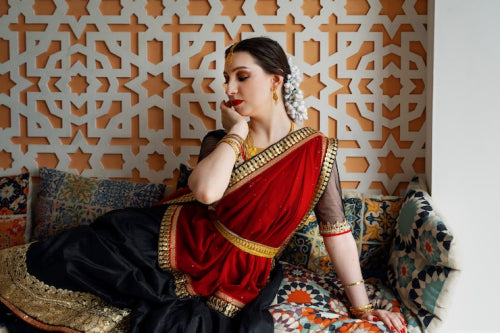
In the bustling lanes of Varanasi and the artisan workshops of Rajasthan, ancient looms continue to hum alongside the rhythms of modern life. This seamless blend of past and present defines Indian ethnic wear today, where heritage isn't preserved in museums but worn proudly on city streets, red carpets, and international runways. Weaving Tradition into Modernity captures this vibrant evolution, as designers and consumers alike rediscover the soul of India's textile traditions while meeting the demands of contemporary living across India and its global diaspora.
Fast fashion erodes cultural heritage, sidelining artisans and reducing traditions to trends. At IndieHaat, we champion India's craftspeople with handcrafted sarees, apparel, décor, and skincare rooted in authenticity. Each piece embodies skill and ethical care. Support artisans and preserve India's timeless legacy Shop Now!
India's Rich Textile Legacy Comes Alive
India's clothing heritage stretches back thousands of years, rooted in handlooms, intricate embroidery, and symbolic motifs that tell stories of regions, festivals, and communities. From the delicate Banarasi silk sarees to the breathable comfort of Khadi and the fine Chikankari work of Lucknow, these crafts represent far more than fabric they embody cultural identity and artisanal skill passed through generations.
For the Indian diaspora in the US, UK, UAE, Singapore, and Australia, these garments offer a tangible connection to roots. A young professional in Bengaluru might pair a modern kurta with chinos for a client meeting, while families in Mumbai celebrate Diwali or Eid in richly embroidered ethnic ensembles. This fusion keeps traditions relevant and alive, strengthening cultural bonds whether one is in Delhi, Dubai, or Sydney.
The beauty lies in how these textiles adapt without losing their essence. Handloom fabrics breathe naturally in India's diverse climates, from humid coastal cities to the dry heat of the north, making them practical as well as meaningful choices for daily wear.
Reviving Traditional Crafts in Contemporary Designs
Today's Indian designers are masterfully reinterpreting heritage techniques for modern wardrobes. Banarasi silk, once reserved mainly for weddings and formal occasions, now appears in elegant fusion gowns, structured jackets, and even smart casual blazers that transition effortlessly from office to evening events. Khadi, the symbol of India's independence movement, has transformed into sustainable everyday wear that appeals to conscious consumers seeking natural fibres and ethical production.
Chikankari, with its delicate shadow-work embroidery, graces not only traditional kurtas but also contemporary blouses, dresses, and even denim jackets that fit seamlessly into urban lifestyles. Artisans collaborate closely with fashion houses to create pieces that respect time-honoured methods while incorporating clean lines and versatile silhouettes suitable for global audiences.
This revival goes beyond aesthetics. It supports entire communities of weavers and embroiderers, ensuring that traditional skills continue to thrive while meeting the style expectations of younger generations who value both roots and relevance.
The Sustainable Heart of Indian Handicrafts
One of the most powerful shifts in Indian clothing is the embrace of sustainability rooted in age-old practices. Handwoven fabrics, natural dyes derived from plants and minerals, and zero-waste tailoring align perfectly with the global slow fashion movement. Unlike fast fashion's environmental toll, these crafts rely on human skill and local materials, supporting rural economies and preserving biodiversity across craft clusters in Uttar Pradesh, Gujarat, and West Bengal.
Consumers in India and abroad are increasingly drawn to pieces with a story garments that honour the artisan's craft and reduce reliance on mass production. This approach resonates deeply in a country where weaving communities have long practised mindful resource use, treating every thread with respect and purpose.
Brands that prioritise these methods are seeing strong resonance with buyers who seek authenticity. Whether it is a hand-block printed kurta or an organically dyed dupatta, each item carries forward environmental wisdom passed down through generations.
Global Markets Embrace Indian Heritage Fashion
The appeal of Indian clothing extends well beyond domestic borders. International markets value the uniqueness and cultural depth that Indian garments provide. Designers from India are gaining recognition at global fashion weeks, where traditional motifs meet innovative cuts, creating looks that stand out in cosmopolitan cities from New York to Singapore.
In the US and UK, ethnic wear features prominently in wedding celebrations and cultural events among the diaspora. In the UAE and Singapore, fusion styles blend effortlessly with professional and festive wardrobes. Australia's fashion scene celebrates the vibrant colours and textures of Indian textiles, often highlighting their versatility for different climates and occasions.
This global appreciation reinforces the importance of preserving craft traditions while allowing them to evolve. It creates opportunities for artisans and entrepreneurs to reach discerning customers who appreciate quality and heritage in an increasingly homogenised world.
Digital Platforms Powering the Fusion
Technology has become a vital bridge between artisans and audiences. Online marketplaces and social media allow direct connections between craftspeople and buyers worldwide, bypassing traditional barriers. Shoppers in Chennai can discover a hand-embroidered Lucknowi kurta, while a professional in Dubai explores sustainable indigo-dyed cotton shirts perfect for the desert heat.
These platforms not only promote handloom fashion India but also educate consumers about the stories behind each piece the weaver's technique, the regional significance of a motif, or the weeks invested in its creation. This transparency strengthens appreciation for heritage crafts in a digital age and helps build loyal communities around authentic Indian ethnic wear.
Social media influencers and homegrown e-commerce brands play a key role in showcasing how traditional pieces can be styled for everything from corporate presentations to casual weekend brunches, making heritage fashion accessible and aspirational.
Woodwork and Complementary Crafts Enhancing Fashion
While textiles lead the conversation, complementary handicrafts enhance the complete heritage experience. Woodwork stands out as a dominant segment in India's handicrafts, featuring in accessories, home accents, and even fashion elements like wooden buttons, block-printed patterns inspired by traditional carving, and intricately designed jewellery boxes that complement ethnic attire.
Glassware and pottery add unique touches to lifestyle collections that pair beautifully with ethnic clothing. This holistic approach where fashion meets functional art creates cohesive cultural expressions that appeal to modern consumers seeking authenticity in their choices, whether for personal wear or gifting during festivals.
Challenges and Opportunities in Craft Preservation
Despite the resurgence, artisans face real pressures: urban migration of younger generations, competition from machine-made alternatives, and the need for consistent market access. Designers and brands play a crucial role by ensuring fair compensation, investing in skill development programmes, and creating year-round demand for handmade pieces rather than seasonal spikes.
Success stories emerge when brands collaborate directly with craft clusters, providing stable income while innovating designs that meet current tastes. This balanced approach helps sustain communities, keeps traditional knowledge vibrant, and builds resilient supply chains rooted in India's villages and small towns.
- Direct artisan partnerships ensure better livelihoods and quality control.
- Skill transfer initiatives help younger craftsmen learn and innovate.
- Storytelling around each product deepens customer connection and willingness to invest in premium pieces.
The Future: Tradition as a Driver of Innovation
Looking ahead, the fusion of fashion and heritage in Indian clothing promises continued relevance. As consumers prioritise meaningful purchases over fleeting trends, pieces rooted in India's crafts gain stronger footing. The emphasis remains on quality craftsmanship, cultural storytelling, and sustainable practices that define premium ethnic wear.
Whether it is a bride choosing a contemporary lehenga with ancestral motifs or a daily wearer opting for a breathable handloom shirt for work, the choice celebrates India's living heritage. This movement doesn't merely preserve the past it reimagines it for future generations across India and the world, blending pride with practicality.
Embracing Your Own Heritage Story
Indian clothing today offers more than style; it provides connection, sustainability, and individuality. By supporting authentic handicrafts, consumers become part of a larger narrative one that honours artisans, respects tradition, and adapts gracefully to modern needs. Explore collections that bring this fusion to life, and discover how a single garment can weave together history, culture, and personal expression in the most meaningful way.
Frequently Asked Questions
How are traditional Indian textiles like Banarasi silk and Chikankari being adapted for modern fashion?
Indian designers are reinterpreting heritage techniques to suit contemporary wardrobes without losing their cultural essence. Banarasi silk, once reserved for weddings, now appears in fusion gowns, structured blazers, and smart casual jackets, while Chikankari embroidery graces modern blouses, dresses, and even denim jackets. Artisans collaborate with fashion houses to retain time-honoured craftsmanship while incorporating clean lines and versatile silhouettes suited for global audiences.
Why is Indian ethnic wear considered a sustainable fashion choice?
Indian ethnic wear aligns naturally with the global slow fashion movement through its use of handwoven fabrics, natural plant- and mineral-based dyes, and zero-waste tailoring practices. Unlike mass-produced fast fashion, these garments rely on human skill and locally sourced materials, supporting rural artisan communities across states like Uttar Pradesh, Gujarat, and West Bengal. Choosing handloom and handicraft-based clothing reduces environmental impact while preserving biodiversity and traditional knowledge passed down through generations.
Where can the Indian diaspora find authentic Indian ethnic wear for cultural events and festivals?
Digital platforms and online marketplaces have made it significantly easier for the Indian diaspora in countries like the US, UK, UAE, Singapore, and Australia to access authentic Indian ethnic wear. These platforms connect buyers directly with artisans and craft clusters, offering everything from hand-embroidered Lucknowi kurtas to organically dyed dupattas, often with detailed storytelling about each piece's regional origins and techniques. Social media and homegrown e-commerce brands further showcase how traditional garments can be styled for weddings, Diwali, Eid, and everyday professional settings.
Disclaimer: The above helpful resources content contains personal opinions and experiences. The information provided is for general knowledge and does not constitute professional advice.
You may also be interested in: Revival of Regional Handloom Traditions Captures International Attention
Fast fashion erodes cultural heritage, sidelining artisans and reducing traditions to trends. At IndieHaat, we champion India's craftspeople with handcrafted sarees, apparel, décor, and skincare rooted in authenticity. Each piece embodies skill and ethical care. Support artisans and preserve India's timeless legacy Shop Now!
Powered by flareAI.co