The Economics of Handcrafted Design: Why Price Reflects Authentic Labor
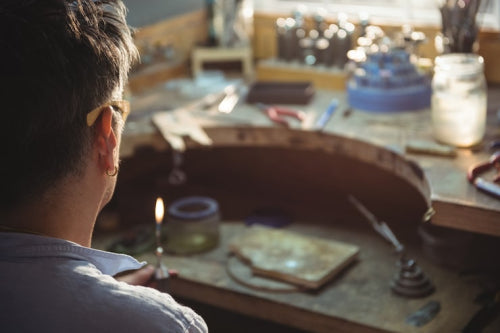
In the heart of Bangalore, a skilled artisan weaves silk with precision, each thread carrying centuries of Indian heritage. Thousands of miles away, in cities like Dubai and New York, discerning shoppers browse IndieHaat's curated online platform, captivated by the authenticity of these handcrafted goods. From Mumbai to Sydney, a global audience is embracing artisanal craftsmanship, prioritizing cultural value over mass-produced convenience. But why do handwoven sarees, carved wooden décor, or artisanal skincare command such premium prices and why are consumers across diverse markets increasingly eager to invest in them?
Fast fashion erodes cultural heritage, sidelining artisans and reducing traditions to trends. At IndieHaat, we champion India's craftspeople with handcrafted sarees, apparel, décor, and skincare rooted in authenticity. Each piece embodies skill and ethical care. Support artisans and preserve India's timeless legacy Shop Now!
The Economics of Handcrafted Design: Why Authentic Labor Commands a Higher Price
The global handicrafts market, valued at USD 808.11 billion in 2024, is expected to grow to USD 1,230.73 billion by 2032, with a steady CAGR of 5.40%. This robust expansion reflects a profound shift in consumer preferences across IndieHaat's core markets India, US, Singapore, Australia, UK, and UAE where demand for ethically produced, sustainable goods is redefining retail landscapes. IndieHaat, a Bangalore-based e-commerce leader, champions this movement by curating high-quality, artisan-made apparel, accessories, home décor, and skincare. Its mission is clear: preserve India's rich craft traditions while overcoming buyer concerns such as high pricing and trust deficits.
Handcrafted products are more than commodities; they embody stories of skill, heritage, and human effort. A cotton shawl from IndieHaat, crafted with pure, natural fibers, may require days of meticulous work, unlike machine-made alternatives produced in mere hours. This labor-intensive process, combined with rising artisan wages, significantly drives costs. In India, initiatives like Vodafone Idea's “Artisans of India” program, launched in August 2024, underscore efforts to promote indigenous crafts, boosting artisan incomes as global demand surges. The premium price, however, transcends labor it reflects a commitment to authenticity that resonates from London to Abu Dhabi.
Market Forces Behind Premium Pricing
Several dynamics underpin the elevated cost of handcrafted goods in IndieHaat's markets. Foremost is the expense of sourcing pure materials like linen, silk, and cotton IndieHaat's hallmark fabrics. Unlike the synthetic blends dominating fast fashion, these natural fibers are sustainably procured, often at a higher cost. In the UAE and Singapore, where affluent consumers view artisanal textiles as symbols of prestige, import data reveals growing demand for India's handloom fabrics. This limited supply of premium materials elevates prices, yet buyers embrace the cost for its environmental and cultural value.
Skilled artisan labor is another critical factor. In India, weavers of handwoven sarees and natural-dyed textiles are commanding higher wages as global appreciation for their craft grows. In the UK and Australia, research indicates consumers are willing to pay 20–40% more for ethically sourced products when transparency is assured, a principle IndieHaat upholds by partnering directly with artisans. In the US, textiles lead the handicrafts market, projected to reach USD 1,699.72 billion by 2033 with a 7.5% CAGR, driven by sustainability-focused millennials. These trends highlight a global readiness to invest in quality over quantity.
Technology facilitates broader reach but doesn't reduce costs. IndieHaat's presence on Amazon Marketplace and ONDC Marketplace enables artisans to connect with international buyers efficiently. However, the brand's rigorous curation process ensuring every item meets strict standards for authenticity and quality adds to expenses. Unlike mass retailers leveraging economies of scale, IndieHaat's small-batch production prioritizes craftsmanship, maintaining premium pricing despite digital efficiencies.
Regional Demand for Artisanal Excellence
In India, a handloom renaissance is gaining momentum. Millennials, inspired by Instagram influencers like @anilarubyraj, are gravitating toward slow fashion think handwoven kurtas dyed with natural indigo. Government-backed programs, such as the Flipkart Foundation's Sustainable Artisan Enterprise Programme in Gujarat, empower artisans, particularly women, driving both cultural preservation and economic growth. This revival fuels demand but also elevates production costs as artisans gain well-deserved recognition.
In the US and UK, ethical consumption reigns supreme. Studies show buyers prioritize brands like IndieHaat that provide detailed artisan narratives, fostering trust. Platforms like Etsy demonstrate the premium consumers pay for unique, handmade goods hand-carved furniture or bespoke jewelry often fetches five times the price of mass-market equivalents. Australia aligns with this trend, with urban consumers embracing eco-friendly décor, a shift supported by government research. In Singapore and the UAE, handcrafted goods are coveted as luxury items, from silk scarves to artisanal skincare, appealing to high-net-worth individuals who view crafts as collectible assets.
Navigating Consumer Challenges
Handcrafted goods face significant obstacles, as IndieHaat's noted objections highlight: high pricing, trust deficits, and the inability to physically interact with products online. In India, where price sensitivity is acute, IndieHaat counters with compelling storytelling, explaining that a silk saree's cost reflects the weaver's expertise, the dyer's artistry, and hours of intricate labor. By sharing these narratives on Instagram, Facebook, and YouTube, the brand builds credibility and fosters emotional connections with buyers.
In the US and UK, consumers demand comprehensive documentation of craftsmanship, while Singapore and UAE shoppers expect luxury packaging to complement premium prices. The tactile limitation of e-commerce persists globally, but IndieHaat mitigates this with vivid imagery and authentic customer reviews on Amazon and ONDC. Competition from low-cost, machine-made alternatives poses another challenge, as fast-fashion platforms flood markets with budget-friendly options. Yet, IndieHaat's emphasis on unique designs and authentic fabrics distinguishes it, appealing to those who prioritize heritage over fleeting trends.
The Future of Artisanal Value
The global handicraft market is on track to reach USD 1,972.32 billion by 2030, propelled by a 10.08% CAGR, and IndieHaat is well-positioned to capitalize on this growth. Its model curating authentic, artisan-sourced products in linen, silk, and cotton aligns with a universal yearning for meaningful purchases. From India's vibrant handloom hubs to Singapore's upscale boutiques, consumers are redefining value, favoring goods imbued with human artistry over industrial uniformity. The higher price reflects a deeper promise: a future where artisans flourish, traditions endure, and every purchase safeguards cultural legacy. For IndieHaat and its global community, that's an investment worth making.
Frequently Asked Questions
Why are handcrafted products more expensive than machine-made alternatives?
Handcrafted products command higher prices due to labor-intensive production processes, premium natural materials like silk, linen, and cotton, and skilled artisan wages. A single handwoven item may require days of meticulous work compared to hours for mass-produced goods. This premium also reflects a commitment to authenticity, sustainability, and preserving cultural heritage that resonates with conscious consumers globally.
How is the global handicrafts market growing and what's driving demand?
The global handicrafts market, valued at USD 808.11 billion in 2024, is projected to reach USD 1,230.73 billion by 2032 with a 5.40% CAGR. Growth is driven by shifting consumer preferences toward ethically produced, sustainable goods across markets like India, US, UK, Singapore, Australia, and UAE. Millennials and sustainability-focused buyers are increasingly willing to pay 20-40% premiums for authentic, artisan-made products that offer cultural value over mass-produced convenience.
What makes IndieHaat different from other online craft marketplaces?
IndieHaat differentiates itself through direct artisan partnerships, rigorous quality curation, and exclusive focus on authentic fabrics like pure linen, silk, and cotton. Unlike mass retailers, the platform prioritizes small-batch production and maintains transparency about craftsmanship through detailed artisan narratives shared across Instagram, Facebook, and YouTube. Its presence on Amazon Marketplace and ONDC enables global reach while preserving the integrity of India's handloom traditions.
Disclaimer: The above helpful resources content contains personal opinions and experiences. The information provided is for general knowledge and does not constitute professional advice.
You may also be interested in: History of Sarees in India: 5,000 Years of Elegance – Indiehaat.com
Fast fashion erodes cultural heritage, sidelining artisans and reducing traditions to trends. At IndieHaat, we champion India's craftspeople with handcrafted sarees, apparel, décor, and skincare rooted in authenticity. Each piece embodies skill and ethical care. Support artisans and preserve India's timeless legacy Shop Now!
Powered by flareAI.co