The Cultural Legacy Behind Indias Handwoven Silk Sarees
Quick Listen:
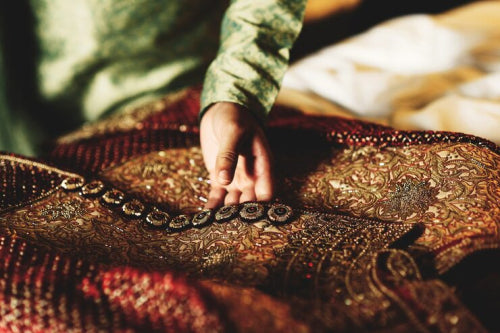
In a sunlit workshop in Varanasi, a master weaver threads gold zari through mulberry silk, creating a Banarasi saree that carries the weight of centuries. These six yards of fabric are not mere attire but a testament to India's artisanal genius, cherished by brides in Mumbai, admired in Dubai's luxury boutiques, and coveted by collectors in London. Handwoven silk sarees, with their intricate patterns and vibrant storytelling, stand as cultural treasures, fueling a global market that blends heritage with modern demand. As consumers worldwide seek authenticity, platforms like IndieHaat are redefining how these masterpieces reach the world.
Fast fashion erodes cultural heritage, sidelining artisans and reducing traditions to trends. At IndieHaat, we champion India's craftspeople with handcrafted sarees, apparel, décor, and skincare rooted in authenticity. Each piece embodies skill and ethical care. Support artisans and preserve India's timeless legacy Shop Now!
India's Handwoven Silk Sarees: A Legacy of Craft and Global Appeal
The India saree market was valued at USD 5.76 billion in 2024 and is projected to reach USD 10.33 billion by 2033, with a compound annual growth rate (CAGR) of 6.70% from 2025 to 2033. This growth reflects a rising preference for sustainable handloom sarees, bolstered by government efforts like Geographical Indication (GI) tags and the Handloom Mark, which certify authenticity and support artisans. E-commerce advancements, including AI-driven personalization and virtual try-ons, are making these sarees more accessible, while eco-conscious branding and celebrity endorsements attract younger buyers. IndieHaat, with its focus on direct artisan sourcing and pure fabrics silk, linen, and cotton embodies this shift toward ethical, high-quality craftsmanship.
India's weaving clusters are the heartbeat of this industry. Kanchipuram in Tamil Nadu produces mulberry silk sarees with temple-inspired motifs, while Varanasi's Banarasi weaves dazzle with Mughal-influenced brocades. Assam's golden Muga silk and Bengal's airy Jamdani are regional prides, each saree a labor of love. These clusters sustain a craft that, as of FY24, employs 9.76 million people across 52,360 villages, positioning India as the world's second-largest silk producer, according to the Indian silk industry data.
A Tapestry of Tradition
Silk sarees have adorned India's history since ancient times, gracing royal courts and temple ceremonies. Over centuries, they became emblems of identity, worn during weddings, festivals, and milestones. Each region crafted its signature: Kanchipuram's bold zari designs echo South Indian temples, while Bengal's Baluchari sarees weave mythological narratives in silk. Government initiatives, such as the Handloom Mark and MSME programs, protect these traditions, ensuring artisans can compete in a world dominated by machine-made textiles.
Yet, the appeal extends beyond heritage. The global handloom sarees market, valued at USD 3.72 billion in 2024, is expected to grow to USD 7.29 billion by 2032, with a CAGR of 8.99%. This trajectory mirrors a global shift toward slow fashion, where authenticity trumps mass production. IndieHaat capitalizes on this by connecting buyers directly with artisans, delivering pure silk sarees that embody both craftsmanship and cultural narrative.
Global Demand for a Cultural Icon
In the United States, Indian-American communities drive demand for silk sarees, particularly for festivals like Diwali and weddings. E-commerce platforms note a surge in purchases of GI-tagged Banarasi and Kanchipuram sarees, often as heirloom pieces for trousseau collections. Singapore's younger buyers embrace these sarees for Indo-Malay weddings, styling them with modern accessories for a fresh aesthetic. In Australia, Indian textiles shine at fashion events in Sydney and Melbourne, attracting both migrant communities and eco-conscious consumers seeking sustainable alternatives.
The UK's established Indian diaspora views silk sarees as cultural touchstones and collectibles, with textile museums often showcasing their intricate weaves. In the UAE, Dubai and Abu Dhabi's luxury boutiques cater to expatriates with a taste for unique, high-quality designs, aligning with the region's affinity for opulence. Across these markets India, US, Singapore, Australia, UK, and UAE IndieHaat's ethos of handmade craftsmanship, unique designs, and authentic fabrics resonates deeply. Social media platforms like Instagram, Facebook, and YouTube amplify this demand, with influencers showcasing versatile draping styles that blend tradition with contemporary flair.
Overcoming Barriers, Embracing Opportunities
Challenges remain in this vibrant market. The premium pricing of handwoven silk sarees, driven by labor-intensive processes and pure materials, can deter buyers in price-sensitive markets like India and the UK. Trust issues, fueled by counterfeits and blended fabrics, further complicate online purchases. IndieHaat addresses these concerns with transparency, offering detailed artisan stories and high-quality imagery to build confidence. The absence of a tactile experience a key factor in luxury purchases is mitigated through 360° product videos and zoom-enabled photography, allowing buyers to virtually inspect every thread.
The broader handloom product market is poised for growth, projected to rise from USD 8.87 billion in 2025 to USD 19.69 billion by 2035, with a CAGR of 8.2%. Sarees dominate this segment, commanding a 37.5% share in 2025, driven by their cultural significance and sustainable appeal. E-commerce and social commerce platforms, from Instagram Shops to YouTube reviews, are expanding access, enabling artisans to reach global audiences. IndieHaat's direct-sourcing model ensures artisans earn fair margins, aligning with the growing demand for ethical fashion.
Weaving a Future for Heritage
Handwoven silk sarees are India's cultural emissaries, carrying the stories of artisans from Assam to Tamil Nadu to wardrobes across the globe. As the world embraces slow fashion, platforms like IndieHaat are redefining how heritage meets modernity. By prioritizing pure fabrics, unique designs, and direct artisan partnerships, they do more than sell sarees they preserve a craft, empower communities, and invite global audiences to embrace India's legacy. The India saree market and its global counterparts signal a bright future, where tradition and innovation intertwine. When you drape a silk saree, you're not just wearing fabric you're weaving yourself into a story that spans centuries, vibrant and enduring.
Frequently Asked Questions
What makes handwoven silk sarees from India so valuable and culturally significant?
Handwoven silk sarees represent centuries of artisanal craftsmanship, with each piece carrying unique regional stories and techniques passed down through generations. These sarees are labor-intensive creations master weavers in clusters like Varanasi, Kanchipuram, and Bengal spend weeks crafting intricate patterns using pure silk and traditional motifs inspired by temples, Mughal art, and mythology. Beyond their aesthetic beauty, they serve as cultural treasures worn during weddings, festivals, and milestones, making them both heirloom pieces and wearable art that connects wearers to India's rich heritage.
How big is the market for handwoven silk sarees globally, and why is it growing?
The India saree market was valued at USD 5.76 billion in 2024 and is projected to reach USD 10.33 billion by 2033, while the global handloom sarees market is expected to grow from USD 3.72 billion in 2024 to USD 7.29 billion by 2032. This growth is driven by increasing consumer preference for sustainable, slow fashion and authentic handcrafted products over mass-produced alternatives. Government initiatives like GI tags and the Handloom Mark, combined with e-commerce accessibility and celebrity endorsements, have made these traditional sarees more appealing to younger, eco-conscious buyers worldwide.
Where can I buy authentic handwoven silk sarees online with confidence?
Platforms like IndieHaat specialize in authentic handwoven silk sarees by connecting buyers directly with artisans, ensuring transparency and quality through detailed artisan stories, high-quality imagery, and 360° product videos. These platforms address common concerns about counterfeits and blended fabrics by offering only pure silk, linen, and cotton sarees with unique, handmade designs. When purchasing online, look for sellers that provide GI tags, Handloom Mark certification, detailed product descriptions, and zoom-enabled photography to virtually inspect the craftsmanship before buying.
Disclaimer: The above helpful resources content contains personal opinions and experiences. The information provided is for general knowledge and does not constitute professional advice.
You may also be interested in: The Global Appeal of Indian Handcrafted Fabrics: A Look at the
Fast fashion erodes cultural heritage, sidelining artisans and reducing traditions to trends. At IndieHaat, we champion India's craftspeople with handcrafted sarees, apparel, décor, and skincare rooted in authenticity. Each piece embodies skill and ethical care. Support artisans and preserve India's timeless legacy Shop Now!
Powered by flareAI.co