Sustainable Handloom Practices and Their Market Impact
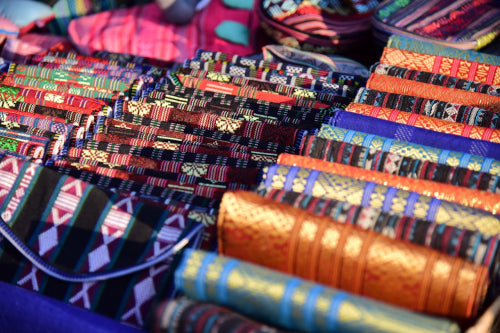
In the bustling lanes of Indian villages where handlooms have echoed for generations and the curated digital shelves reaching global cities, a meaningful shift is taking place. Artisans across India are weaving more than just fabric they are creating stories of sustainability, cultural pride, and ethical craftsmanship. These creations are resonating with conscious buyers from Bangalore to New York, Singapore to Sydney. For brands like IndieHaat, this represents a vital bridge connecting India's rich handloom traditions with modern consumers who value authenticity and responsibility.
Today, as shoppers increasingly ask who made their clothes and under what conditions, sustainable handloom practices are gaining strong momentum. Pure linen sarees that offer natural comfort in humid Indian summers, rich Tussar sarees carrying the soul of tradition, and carefully selected dress materials are moving from niche appeal to wider appreciation across India, the US, Singapore, Australia, the UK, and the UAE.
Fast fashion erodes cultural heritage, sidelining artisans and reducing traditions to trends. At IndieHaat, we champion India's craftspeople with handcrafted sarees, apparel, décor, and skincare rooted in authenticity. Each piece embodies skill and ethical care. Support artisans and preserve India's timeless legacy Shop Now!
The Essence of Sustainable Handloom Practices
Handloom sustainability extends well beyond choosing natural fibres. It encompasses an entire way of working: minimal-waste production on traditional wooden looms, commitment to pure linen, silk, and cotton fabrics, and direct, respectful partnerships with artisan communities. In contrast to large-scale industrial manufacturing, handloom practices remain inherently gentle on the environment, relying on human skill and knowledge refined over generations.
IndieHaat, a thoughtfully curated e-commerce brand based in Bangalore, brings this philosophy to life. Every saree, dress material, accessory, and home décor piece is selected with care to guarantee high quality, cultural authenticity, and ethical production. By working directly with artisans, the brand upholds strict standards using only pure, natural fabrics while supporting creative communities and helping preserve living traditions.
Why Conscious Consumers Are Embracing Handlooms
Modern shoppers show growing awareness of fashion's environmental and social impact. In India, this combines with renewed appreciation for indigenous crafts and heritage. In international markets like the US, UK, and UAE, buyers seek unique, story-rich pieces that stand apart from mass-produced items. This growing preference reflects deeper values around ethics and sustainability.
The shift appears clearly across marketplaces. Platforms such as Amazon marketplace and ONDC Marketplace help connect artisans directly with buyers who prioritise transparency. In Singapore and Australia, consumers drawn to premium quality and ethical narratives appreciate the breathable comfort and distinctive character of linen sarees and handcrafted textiles.
Regional Impact: From Village Looms to Global Appreciation
Within India, handloom clusters continue to sustain livelihoods, strengthened by initiatives that support artisans. Producers of Tussar sarees and fine linen fabrics are discovering new opportunities through digital channels. Brands like IndieHaat play an important role by curating collections that celebrate regional designs and ensure fair practices reach appreciative customers.
Overseas, the appeal remains strong. Boutique buyers and online shoppers in the US and UK value the cultural depth and lasting quality of handloom pieces. In Singapore and the UAE, where luxury and discernment define tastes, handcrafted apparel and home décor align beautifully with sustainable living preferences. Australian consumers, known for environmental awareness, respond warmly to the natural, breathable properties of pure cotton and linen offerings.
Real Stories from the Weaving Communities
Picture weavers in traditional clusters receiving steady orders that honour their expertise. A collection of Tussar sarees might journey from a village in Chhattisgarh to a delighted customer in Dubai, providing greater income stability for artisan families while sharing the fabric's natural texture and sheen with new audiences worldwide. These outcomes represent real improvements in livelihoods and cultural exchange.
IndieHaat's direct artisan partnerships ensure unique designs reach buyers without unnecessary intermediaries, protecting both quality and fair returns for the creators.
Addressing Common Concerns in Handloom Shopping
Challenges naturally exist. The pricing of handmade pieces often prompts discussion, yet it reflects the hours of skilled work, premium natural materials, and ethical standards involved. Many buyers also experience a trust gap with online purchases and miss the ability to touch and feel the fabric beforehand.
Thoughtful brands tackle these objections directly. Through detailed descriptions, high-quality imagery, genuine artisan stories, and clear explanations of fabric benefits such as linen's cooling comfort or Tussar silk's distinctive drape confidence grows. Supportive policies like straightforward returns further ease the journey for new customers.
The Growing Influence of Digital Marketplaces and Social Platforms
Digital marketplaces have become powerful enablers. Amazon offers broad visibility, while ONDC Marketplace creates more inclusive pathways for artisans and smaller sellers. Social channels including Instagram, Facebook, and YouTube allow brands like IndieHaat to reveal the human side: behind-the-scenes videos of looms at work, conversations with weavers, and authentic customer experiences that cross borders.
These tools help dissolve distance, letting a customer in Melbourne discover and appreciate the same carefully chosen linen saree cherished by someone in Mumbai.
Insights from the Sustainable and Ethical Fashion Landscape
The broader movement toward responsible fashion continues to evolve, driven by consumer demand for transparency and better practices. Businesses are responding by prioritising renewable materials, ethical labour, and reduced waste throughout their supply chains. This creates meaningful opportunities for brands rooted in traditional crafts to thrive while staying true to their values.
IndieHaat's emphasis on handmade items directly sourced from artisans, unique designs, and authentic pure fabrics positions the brand strongly in this space. The focus remains on delivering products that respect both people and the planet.
Practical Guidance for Conscious Buyers and Supporters
- Seek full transparency: Choose brands that openly share artisan backgrounds and production processes.
- Learn fabric qualities: Understand the natural breathability of linen, versatility of cotton, and timeless elegance of Tussar silk.
- Support direct artisan links: Platforms and businesses working closely with makers deliver better outcomes for communities.
- Value long-term quality: Handcrafted pieces frequently outlast fast fashion, providing greater satisfaction and worth over time.
- Explore regional collections: Discover how different Indian handloom traditions offer distinctive styles suitable for both traditional wear and contemporary fashion.
Preserving Heritage While Shaping the Future
The handloom movement touches something deeper than passing trends. It honours human creativity, reduces environmental strain, and generates meaningful opportunities in artisan communities. As more people in India and across target regions experience the quiet luxury of a handwoven linen saree or the personal story within a dress material, positive effects spread sustaining skills, fostering cultural appreciation, and showing that commerce can align profit with purpose.
Ultimately, choosing authentic handloom products becomes a personal contribution toward a more sustainable and connected world. The looms keep working, carrying forward treasured traditions while adapting to today's needs one skilled hand, one thoughtful thread, and one conscious decision at a time.
“The true beauty of handloom lies not merely in the finished fabric, but in the skilled hands that shape it and the enduring values it carries across continents.”
Whether your heart leans toward the rich character of Tussar sarees or the everyday grace of pure linen dress materials, supporting sustainable handloom practices helps keep India's artisanal legacy alive and offers the world beautiful, responsible choices.
Frequently Asked Questions
What are sustainable handloom practices and why do they matter?
Sustainable handloom practices involve minimal-waste production on traditional wooden looms using pure natural fibers like linen, cotton, and Tussar silk, combined with ethical partnerships with artisan communities. Unlike fast fashion, these methods are environmentally gentle, preserve cultural heritage, and ensure fair returns for skilled artisans. Brands like IndieHaat champion this approach by curating authentic handcrafted sarees and apparel that deliver both quality and responsibility.
Why are conscious consumers choosing handloom sarees and textiles?
Modern buyers are increasingly aware of fashion's environmental and social impact, seeking breathable, durable, and ethically made products such as pure linen sarees and rich Tussar sarees. These pieces offer unique cultural stories, superior comfort, and long-term value compared to mass-produced clothing. In India and international markets like the US, UK, Singapore, Australia, and the UAE, consumers appreciate the authenticity and sustainability that handloom products provide.
How does supporting brands like IndieHaat impact Indian artisans and handloom traditions?
By partnering directly with weaving communities, brands like IndieHaat provide steady orders, fair compensation, and wider market access through digital platforms such as Amazon and ONDC Marketplace. This helps sustain livelihoods, preserve traditional skills, and prevents cultural erosion caused by fast fashion. Customers worldwide can now enjoy premium handcrafted sarees, dress materials, and décor while contributing to meaningful economic and cultural impact.
Disclaimer: The above helpful resources content contains personal opinions and experiences. The information provided is for general knowledge and does not constitute professional advice.
You may also be interested in: Empowering Artisans Through Transparent Fashion Initiatives
Fast fashion erodes cultural heritage, sidelining artisans and reducing traditions to trends. At IndieHaat, we champion India's craftspeople with handcrafted sarees, apparel, décor, and skincare rooted in authenticity. Each piece embodies skill and ethical care. Support artisans and preserve India's timeless legacy Shop Now!
Powered by flareAI.co