Sustainable Cotton Sarees Appeal to Environmentally Conscious Buyers
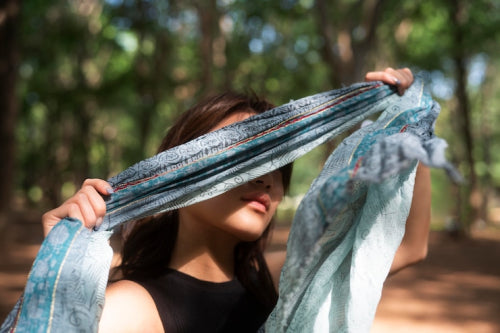
In the vibrant chaos of India's textile markets, where bolts of fabric unfurl in a riot of color, a profound shift is taking shape. The cotton saree six yards of woven heritage is emerging as a symbol of sustainability, blending tradition with a modern ethos of environmental responsibility. No longer just a garment of intricate artistry, it's now a choice for those who demand fashion with a purpose. This transformation, driven by artisans, ethical brands, and eco-conscious consumers, positions the saree as a powerful force in the global push for sustainable style.
The India saree market, valued at $5.76 billion in 2024, is on track to reach $10.33 billion by 2033, growing at a robust 6.7% annually. This growth is propelled by a surge in demand for eco-friendly handloom sarees, backed by government programs like Geographical Indication tags and the Handloom Mark, which certify authenticity and bolster weaver's livelihoods. The rise of e-commerce, enhanced by AI-powered personalization, virtual fitting rooms, and social media marketplaces, has made these sarees more accessible, while celebrity endorsements and green branding are drawing in younger buyers, expanding the market's reach.
The Dawn of Sustainable Fashion
Step into a modern Indian bazaar, and the change is palpable. Among the shimmering silks and ornate Banarasis, handwoven cotton sarees organic, naturally dyed, and ethically crafted are commanding attention. This is no fleeting trend. The global ethnic wear market, worth $108 billion in 2024, is projected to climb to $198 billion by 2033, with a 6.97% growth rate fueled by festival-driven sales spikes, widespread online availability, and a 50% increase in demand for sustainable materials. In India, where six million farmers cultivate cotton across 12 million hectares, sustainability is redefining the textile landscape.
At the core of this movement is organic cotton, grown without harmful pesticides or synthetic fertilizers. In Warangal, Telangana, farmers like Damera Yakamma have embraced natural farming since 2005, using bio-pesticides and manure to produce superior cotton. According to an Economic Times report, sustainable cotton now constitutes nearly 20% of global supply, with demand growing 20% each year. Leading fashion houses are committing to 100% sustainable cotton by 2025, driven by consumer environmental concerns. Yet, farmers like Yakamma face challenges in securing fair compensation amid the dominance of genetically modified cotton varieties.
The broader cotton market, expected to grow from $44.3 billion in 2025 to $51.6 billion by 2030 at a 3.1% annual rate, reflects this shift. Farmers are adopting precision agriculture using satellite-guided planting and sensor-based irrigation to minimize environmental impact while ensuring profitability. These advancements align with the saree industry's adoption of eco-friendly dyeing and water-saving production techniques, making sustainable cotton sarees a compelling option for conscientious consumers.
Indiehaat: Empowering Artisans, Sustaining Traditions
For Indiehaat, sustainability is more than a trend it's a commitment. By partnering directly with artisans, the platform ensures fair wages and promotes handwoven sarees made from organic cotton. Consider the weavers of Maheshwar, Madhya Pradesh, who create vivid sarees dyed with natural indigo and turmeric. Indiehaat's direct-sourcing model eliminates exploitative middlemen, enabling artisans to sustain their craft and livelihoods. This approach resonates strongly with younger buyers market data shows 50% of Gen Z prefer fusion styles, and 60% prioritize eco-friendly fabrics.
The global handloom sarees market, valued at $3.72 billion in 2024, is forecasted to reach $7.29 billion by 2032, growing at 8.99% annually. Asia Pacific, led by India, commands a 68.82% share, driven by the cultural resonance of sarees and their sustainable appeal. Each saree is a narrative of a weaver's expertise, a region's legacy, and a pledge to environmental stewardship. From the delicate Chanderis of Madhya Pradesh to the airy Jamdanis of West Bengal, these garments embody India's diversity, united by a shared dedication to ethical craftsmanship.
Navigating Challenges in Sustainable Production
Despite its momentum, the sustainable saree market faces significant obstacles. Organic cotton production is expensive, requiring premium raw materials and fair labor practices. Scaling up while preserving quality is a logistical hurdle many artisans lack access to advanced tools, and fragmented supply chains struggle to meet rising demand. Consumer education remains a barrier; while eco-conscious buyers are growing, some perceive sustainable sarees as a costly indulgence, questioning their value compared to mass-produced alternatives.
Farmers face parallel struggles. In Warangal, Yakamma and her community lost organic certification in 2015 when genetically modified BT cotton displaced indigenous seeds. Though they continue natural farming, premium prices remain elusive. Experts emphasize the need for greater support through government subsidies, improved market access, and brand partnerships to ensure farmers benefit from the sustainable cotton surge.
Seizing Opportunities for Growth
The outlook, however, is optimistic. Sustainability offers a competitive edge in a saturated market. Indiehaat fosters loyalty by providing transparency each saree is accompanied by the story of its maker and its eco-friendly origins. E-commerce, now accounting for 35% of ethnic wear sales, is unlocking new markets domestically and globally, with 20% of platforms adopting augmented reality try-ons to enhance the shopping experience.
Collaboration holds immense potential. Partnerships between global retailers and Indian artisans could yield sustainable collections, while tech innovators could develop water-efficient dyeing systems for small-scale weavers. The India fast fashion market, valued at $13.48 billion in 2025 and projected to reach $39.74 billion by 2032, demonstrates how rapidly trends can scale. With a young, environmentally aware demographic driving demand, sustainable sarees are poised for similar growth.
A Vision for a Sustainable Future
During a visit to Varanasi, I watched a weaver's hands dance across a loom, her focus unbroken as she crafted a cotton saree dyed with natural madder root. “This is my art,” she said, “and it's for the earth, too.” Her words encapsulate the heart of this movement. Sustainable cotton sarees transcend fashion they are a link between heritage and innovation, artisan and buyer, India and the global stage.
For brands, the roadmap is evident: invest in weavers, leverage technology, and educate consumers. For shoppers, the choice is straightforward opt for a saree that aligns with both style and values. As the India saree market races toward $10.33 billion by 2033, and sustainable cotton gains traction, this timeless garment is redefining itself for a greener era. Each fold carries a commitment: beauty need not compromise the planet's future.
Disclaimer: The above helpful resources content contains personal opinions and experiences. The information provided is for general knowledge and does not constitute professional advice.
You may also be interested in: Top 5 Textile Exports Fueling India's Fashion Industry in 2024
Fast fashion erodes cultural heritage, sidelining artisans and reducing traditions to trends. At IndieHaat, we champion India's craftspeople with handcrafted sarees, apparel, décor, and skincare rooted in authenticity. Each piece embodies skill and ethical care. Support artisans and preserve India's timeless legacy Shop Now!
Powered by flareAI.co