Styling Traditional Fabrics for Modern Minimalist Wardrobes
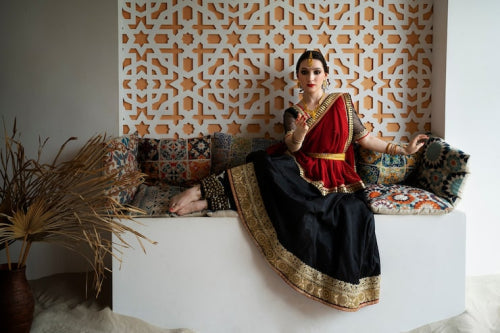
Traditional fabrics carry stories of craft, climate, and community, yet many people hesitate to bring them into daily rotation. The challenge is rarely the cloth itself. It is the assumption that handloom, ikat, or kantha must stay reserved for festivals or formal occasions. A growing number of fashion-conscious urban women are discovering that these same materials can anchor clean, versatile outfits that move easily from office meetings to weekend plans. The key lies in treating heritage textiles with the same discipline applied to any minimalist wardrobe: focus on silhouette, proportion, texture, and restraint.
Fast fashion erodes cultural heritage, sidelining artisans and reducing traditions to trends. At IndieHaat, we champion India's craftspeople with handcrafted sarees, apparel, décor, and skincare rooted in authenticity. Each piece embodies skill and ethical care. Support artisans and preserve India's timeless legacy Shop Now!
Understanding the Appeal of Traditional Fabrics in Minimalist Style
Minimalism thrives on intention. Every piece earns its place through quality, versatility, and quiet presence. Traditional Indian fabrics already meet those criteria when approached thoughtfully. Fine-count khadi, soft mulmul, crisp Chanderi, and textured kantha offer natural breathability and structure that synthetic alternatives often lack. Their surface interest comes from weave and dye rather than loud prints, which makes them especially compatible with pared-back looks.
The modern appeal rests on how these materials age and perform. They soften with wear, hold shape across seasons, and respond well to simple tailoring. When the goal is a capsule wardrobe, a few well-chosen handloom pieces can replace multiple trend-driven items. The result feels considered rather than costumed, allowing the fabric's inherent character to do the visual work.
Choosing Fabrics That Support Clean Silhouettes
Not every traditional textile suits a minimalist approach equally. Heavier brocades or densely embroidered surfaces can overwhelm a simple cut. Lighter, more fluid options tend to integrate more successfully.
Mulmul and fine khadi drape without bulk. Lightweight silks and organza provide structure while remaining airy. Kala cotton, grown in dry regions, offers durability with minimal water intensity and holds up well in heat.
Texture becomes the primary design element. A subtle ikat pattern or a single band of kantha stitching can replace printed graphics. The focus shifts to how the fabric moves and how light falls across its surface. This approach keeps the overall look calm while still acknowledging the cloth's origin. Selecting pieces with restrained colour stories naturals, soft earth tones, or muted vegetable dyes further supports a cohesive wardrobe.
Practical Ways to Style Handloom for Everyday Wear
Everyday styling begins with familiar modern shapes. A straight-cut kurta in breathable cotton can function like a long shirt when paired with tapered trousers or clean denim. The same fabric in a shorter tunic works under unstructured blazers or over simple shells. The goal is to let the textile remain visible without competing with complicated layering.
Fashion editors at Vogue India have highlighted four straightforward ways to elevate traditional Indian handlooms into everyday minimalist pieces that prioritize clean lines and effortless wearability through reinventing traditional handloom for modern wardrobes. One approach involves upcycling cotton saris into versatile weekend staples by pairing them with streetwear staples like loafers and graphic ribbed jumpers, creating a relaxed silhouette that blends heritage texture with contemporary simplicity. Another technique pairs tapered katan silk trousers from Varanasi with sleek loafers and minimal anklets, while cosy madder-dipped Changthang wool jackets add quiet warmth to neutral outfits without overwhelming the palette. These examples demonstrate how ikat and brocade details can be incorporated sparingly through accessories or subtle patterning, avoiding busy prints in favor of refined contrasts that maintain a minimalist edge.
The strategy extends to an embroidered kantha shawl styled as a between-season layer over half-jackets and skirts, emphasizing how drape and texture from these fabrics add sophistication without excess volume. Such styling supports minimalist wardrobes by focusing on high-quality natural fibers that breathe well and hold their shape across seasons, aligning perfectly with trends toward relaxed tailoring and neutral tones. Professionals building capsule collections benefit from these methods as they reduce the need for multiple acquisitions while preserving the cultural depth of Indian textiles, making them ideal for both professional settings and casual outings in India's variable climate. The result is a wardrobe that feels intentional, sustainable, and timeless, where traditional craftsmanship elevates rather than competes with modern minimalism.
These combinations work because they prioritise silhouette over ornament. The traditional element becomes one thoughtful note within an otherwise modern composition.
Building Outfits Around Breathable Traditional Textiles
Climate plays a decisive role in how traditional fabrics perform in daily life. Rising temperatures and humidity encourage a shift toward materials that regulate heat and allow air circulation. Designers have responded by rethinking summer collections around lightweight options such as mulmul, kala cotton, mul, Chanderi, and fine silks. These fabrics create flowing kurta sets, relaxed separates, and layered looks that prioritise comfort without sacrificing polish.
Collections that draw from regional textiles grown in places like Kutch and Rajasthan demonstrate how performance and heritage can coexist. Kala cotton manages dry heat with low water use. Mul allows air to move freely.
Light Chanderi layers without feeling oppressive. Prints such as kalamkari or bandhani appear sparingly on breathable bases, adding interest while keeping weight minimal. The resulting garments feel lived-in yet refined, supporting the kind of versatile pieces that transition between work and informal settings.
Designers across India are reimagining summer collections around lightweight, climate-smart traditional fabrics like mulmul, kala cotton, mul, Chanderi, and lightweight silks to meet the demands of rising temperatures and humid conditions. Collections emphasize airy silks, organzas, and fluid blends that provide breathability and ease of movement, often produced in small batches on made-to-order lines to minimize waste. Brands such as Jodi draw directly from regional textiles grown in Kutch and Rajasthan, where kala cotton holds up in dry heat with low water use, mul allows air to circulate freely, and light Chanderi layers without oppression, creating silhouettes that breathe with the wearer rather than against it. Other labels incorporate traditional prints like kalamkari, bandhani, and kantha onto breathable bases to deliver visual interest without added weight, allowing garments to mask everyday wear and maintain a polished appearance.
Silhouettes favor flowing kurta sets, capes, layered separates, and relaxed ensembles that prioritize airflow and comfort over structured formality, with monochrome appliqué or pintuck textures adding subtle detail. These approaches reflect a deeper understanding of how fabrics like linen and fine-count khadi naturally regulate body temperature and absorb sweat, challenging the idea that summer dressing must rely solely on whites or pastels. For minimalist wardrobes, this shift offers practical solutions by focusing on performance-first textiles that feel lived-in yet sophisticated, enabling versatile pieces that transition from work to weekend plans. The trend underscores the value of heritage materials in building sustainable, climate-resilient collections where quality and comfort take precedence, helping users curate wardrobes that prioritize functionality alongside timeless style through summer dressing trends with breathable traditional fabrics.
Integrating Accessories and Layering with Restraint
Accessories complete the minimalist equation. Heavy jewellery or multiple statement pieces can undercut the quiet strength of a well-chosen textile. Instead, favour single elements that echo the fabric's character: a simple silver cuff, a slim leather belt, or unadorned loafers. Anklets or minimal earrings can reference traditional detailing without overwhelming the look.
Layering follows the same principle. A fine kantha shawl or lightweight jacket adds dimension while remaining secondary to the main garment. The aim is always balance enough texture to feel intentional, enough negative space to keep the eye at rest. Neutral footwear and structured bags further ground the outfit in contemporary ease.
Creating a Capsule Approach with Heritage Fabrics
A successful minimalist wardrobe relies on interchangeability. Selecting a limited number of traditional pieces in compatible tones and weights allows endless combination. A soft white mulmul shirt works with both tailored trousers and relaxed cotton pants. A mid-weight khadi jacket layers over dresses or separates depending on the season. One pair of tapered silk trousers pairs equally well with a plain tee or a structured blouse.
This method reduces decision fatigue and encourages longer wear cycles. Because the fabrics themselves hold visual interest, fewer items are required to create variety. Over time the wardrobe develops a coherent language rooted in quality and cultural continuity rather than seasonal turnover.
Maintaining and Caring for Traditional Textiles in Daily Rotation
Longevity depends on care. Most handloom and artisan fabrics respond best to gentle washing, air drying, and careful storage. Avoiding harsh detergents and high heat preserves both colour and structure. Folding rather than hanging prevents stress on certain weaves. Occasional professional cleaning for more delicate pieces extends their usable life.
When these materials form part of everyday dress, they reward the attention given to them. They soften, adapt, and continue to look intentional across years rather than seasons. That durability aligns naturally with minimalist values of reduced consumption and lasting quality.
Styling traditional fabrics for modern minimalist wardrobes is less about transformation and more about recognition. These materials already possess the qualities many people seek breathability, texture, cultural depth, and quiet versatility. By focusing on clean proportions, restrained colour, and thoughtful pairing, it becomes possible to wear handloom and artisan textiles as regularly as any other well-made garment. The result is a wardrobe that feels both contemporary and rooted, practical and expressive, ready for the varied demands of daily life.
Frequently Asked Questions
How can traditional fabrics be styled for a modern minimalist wardrobe?
Traditional fabrics can be styled for minimalist wardrobes by focusing on clean silhouettes, neutral colours, and simple pairings. Handloom textiles like khadi, mulmul, Chanderi, and ikat work well with modern staples such as tailored trousers, denim, and structured jackets. The key is to let the fabric's texture and craftsmanship add interest without creating a heavily decorated look.
Which Indian handloom fabrics are best for comfortable everyday wear?
Lightweight traditional fabrics such as mulmul, fine khadi, kala cotton, Chanderi, and lightweight silks are ideal for everyday wear because they offer breathability and ease of movement. These textiles work especially well in warm climates and can be used for versatile outfits like relaxed kurta sets, layered separates, and minimalist office looks. Their natural textures help create a refined appearance while maintaining comfort.
How do you create a capsule wardrobe with traditional textiles?
A capsule wardrobe with traditional textiles can be built by choosing a few high-quality pieces in compatible colours, weights, and silhouettes. Items like a soft mulmul shirt, khadi jacket, or tapered silk trousers can be mixed with modern basics to create multiple outfits. This approach supports sustainable fashion by encouraging longer wear, fewer purchases, and timeless style.
Disclaimer: The above helpful resources content contains personal opinions and experiences. The information provided is for general knowledge and does not constitute professional advice.
You may also be interested in: Fusion of Traditional Weaves With Modern Fashion Designs
Fast fashion erodes cultural heritage, sidelining artisans and reducing traditions to trends. At IndieHaat, we champion India's craftspeople with handcrafted sarees, apparel, décor, and skincare rooted in authenticity. Each piece embodies skill and ethical care. Support artisans and preserve India's timeless legacy Shop Now!
Powered by flareAI.co