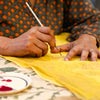
Six Sustainable Home Dcor Trends Set to Dominate 2025

Quick Listen:
In the bustling heart of a Mumbai high-rise, a meticulously handwoven jute rug grounds the living space, its natural weave capturing the subtle play of dawn's rays. Meanwhile, in a cozy London apartment, a coffee table fashioned from reclaimed timber stands proud, its weathered surfaces whispering tales of former existences. Such selections transcend mere aesthetics; they embody deliberate commitments. Amid escalating concerns over climate shifts and ephemeral fashions, sustainable home décor has evolved from a peripheral interest into a profound cultural shift. Propelled by environmentally aware buyers and skilled craftspeople who infuse contemporary flair into age-old techniques, the year 2025 heralds an array of trends that harmonize elegance with ethical responsibility, fundamentally altering our domestic environments. Delve into the Six Sustainable Home Décor Trends Set to Dominate 2025, where eco-innovations meet timeless craftsmanship.
Eco-friendly interiors are transforming city dwellings, from organic weaves to repurposed masterpieces. The global home textile market, assessed at $124.72 billion in 2023, is anticipated to expand to $185.97 billion by 2030, advancing at a 6.0% compound annual growth rate from 2024 onward. Dominating with more than 20% of the revenue in 2023, the Asia Pacific region spearheads this surge, bolstered by artisans in nations such as India, where ancestral skills intersect with current needs. Europe's segment is poised for a roughly 7.5% CAGR through 2030. Bedroom linens captured over 45% of worldwide earnings that year, while polyester commanded a leading 37% share among materials. These figures underscore a burgeoning appetite for textiles that serve beyond utility in today's global residences. Here's an authoritative look at the forces molding sustainable décor this year.
Fast fashion erodes cultural heritage, sidelining artisans and reducing traditions to trends. At IndieHaat, we champion India's craftspeople with handcrafted sarees, apparel, décor, and skincare rooted in authenticity. Each piece embodies skill and ethical care. Support artisans and preserve India's timeless legacy Shop Now!
Natural Fibers: Earth's Finest Threads
Plant-derived materials like jute, hemp, bamboo, and banana fibers are commanding attention in the design world. These resources, integral to rural livelihoods for generations, have ascended to prominence in metropolitan settings. Envision handcrafted jute carpets lending a cozy, tactile essence to upscale apartments, or banana fiber luminaires casting a gentle ambiance in spare, modern rooms. Artisans from India, drawing on time-honored weaving methods, lead this charge, producing fabrics that epitomize both durability and visual allure. Although polyester retains a dominant 37% of global home textile revenues, natural alternatives are surging ahead, prized for their air-permeability and eco-degradability that synthetics struggle to replicate.
This allure extends far past visual charm. By bolstering countryside economies and minimizing ecological footprints, these fibers resonate with the ethos of a regenerative economy. Major players like IKEA emphasize that circularity is key to combating climate shifts, curbing waste and contamination, and restoring natural assets. Shifting to such models revolutionizes operations comprehensively, from item creation and offerings to raw material procurement, empowering buyers to extend product longevity. Adaptations in processes and collaborations across the supply network are vital, as it's embedded in a larger ecosystem demanding transformation. Through proactive leadership, joint efforts, and alliances, knowledge sharing propels the leap from linear to regenerative practices. Long-standing ties with vendors, allies, non-profits, global communities, and clientele hasten this evolution. Responsible procurement and emphasis on renewables allow craftspeople to imbue each strand with narratives of environmental stewardship, fostering a deeper connection between home and planet.
Upcycled Elegance: From Scrap to Statement
Opting for preloved over pristine is gaining traction why settle for novelty when antiquity offers distinction? The second-hand furniture market, valued at $34.01 billion in 2023, is forecasted to climb to $56.66 billion by 2030, progressing at a 7.7% CAGR from 2024. This expansion is fueled by heightened ecological awareness and a stronger focus on green lifestyles, prompting shoppers to favor used items. Asia Pacific secured 32.45% of worldwide earnings in 2023, with the U.S. market slated for a 6.8% CAGR through 2030. Beds in this category claimed 24.15% share by item type, while residential uses dominated with 78.23% of revenues.
Craftspeople are masterfully converting castoffs into practical artistry. Consider a side table hewn from rescued teak or a patterned mirror bordered by recycled alloys. These innovations captivate those pursuing distinctiveness alongside planetary benefits, affirming that ethical choices need not compromise on sophistication. In an era where resource conservation is paramount, upcycling not only diverts waste from landfills but also infuses spaces with character, turning potential refuse into cherished heirlooms that tell compelling stories of renewal and ingenuity.
Minimalism Meets Heritage
Simplicity reigns supreme, yet with an enriching cultural layer. Streamlined forms, neutral palettes, and subtle embellishments are enriched by artisanal nuances. Traditional Indian block-printing, formerly confined to ethnic contexts, now embellishes contemporary pillow casings. Motifs from Rajasthan's tribes or Odisha's heritage revive in understated wall hangings. This synthesis connects international style preferences with native expertise, enticing city dwellers who desire genuine essence sans excess.
Reflecting a wider evolution, individuals seek environments that are intimate yet orderly. Merging legacy with restraint enables craftspeople to broaden their influence, spanning regional bazaars to worldwide exhibitions, demonstrating that ancestral foundations can flourish amid current trends. This approach not only preserves cultural narratives but also promotes mindful consumption, encouraging designs that endure both stylistically and structurally, fostering homes that reflect personal histories while embracing global minimalism.
Eco-Friendly Dyes: Nature's Palette
Synthetic colorants are fading in favor. Botanical pigments from indigo, turmeric, and madder are resurging, imparting vivid, safe tones to draperies, sheets, and blankets. The bedroom linen category, securing over 45% of global home textile earnings in 2023, prominently features this shift. Craftspeople are resurrecting venerable methods, immersing cloths in herbal extracts to yield deep, enduring shades.
Obstacles persist, however. These organic options demand greater expense and effort to mass-produce compared to artificial variants, constraining their penetration in broad retail. Nevertheless, their minimal ecological toll and wellness advantages endear them to green-minded patrons, particularly in Europe, where the sector eyes a 7.5% CAGR to 2030. By prioritizing such dyes, the industry not only reduces chemical pollution but also revives traditional knowledge, creating products that are as healthful for users as they are for the earth.
Biophilic Design: Bringing the Outdoors In
Our inherent affinity for the natural world is redefining indoor realms. Imagine earthenware vessels nurturing verdant foliage, bamboo ledges serving as partitions, or braided jute suspensions for flora. These features enhance visual appeal while promoting health, alleviating tension, and purifying atmospheres. Craftspeople are embracing this, fashioning utilitarian pieces that weave greenery into living quarters effortlessly.
Such directions dovetail with buyer emphases. Deloitte highlights that escalating recognition of climate crises propels behavioral shifts, though trade-offs arise between eco-decisions and cost management. Consumer spending accounts for more than 25% of UK emissions, marking it the prime source of national greenhouse gases. Despite eagerness for green paths, uptake has stabilized, with many deeming them pricey or doubting efficacy. Prevalent actions encompass waste recycling (73%), curbing food discards (68%), cutting single-use plastics (61%), and purchasing less novel goods (58%). Barriers include affordability, disinterest (61%), and info scarcity (50%), plus rising weariness. Systemic reforms, backed by policies, are essential to ease sustainable living. Biophilic elements provide concrete avenues to eco-living, amplifying both well-being and decorative value amid these dynamics.
Localized Craft, Global Reach
Regional specialties from India's northeastern cane furnishings to Rajasthan's azure ceramics are transcending borders. Intricately loomed Kutch tapestries adorn upscale residences in New York and Tokyo. These artifacts convey sagas of makers, societies, and customs, appealing to purchasers who cherish veracity and green ethos.
The Ecodesign for Sustainable Products Regulation (ESPR), effective since July 2024, advances this by mandating norms that render items more robust, reusable, upgradable, fixable; with reduced hindering substances, increased recyclates, and superior efficiency. It introduces Digital Product Passports for info access and curbs unsold goods destruction, starting with textiles and shoes. For users, it slashes expenses and inconveniences; for firms, it fosters sustainable offerings, equity, and frontrunner edges, plus job growth in circular fields. Rooted in evidence, it targets groups like apparel and furniture progressively. Indian makers, emphasizing sturdy handmade wares, are primed to fulfill this, accessing exports while meeting domestic green demands.
Challenges and Opportunities
Embracing green practices presents obstacles. Organic resources and benign methods frequently incur elevated expenses, complicating rivalry with bulk-made goods. Expanding handmade items internationally may erode their genuineness, and deceptive eco-claims erode buyer confidence.
Conversely, prospects abound. Younger generations, fueling upscale décor, champion green values. Business gifting and design fields pivot to ethical substitutes. Online platforms, fused with narrative marketing, elevate craft labels, linking them to international audiences eager for purposeful acquisitions. Navigating these, the sector can harness growth while upholding integrity.
A Greener Tomorrow, One Room at a Time
Eco-décor transcends fads it's a philosophy. Indian artisans especially are interlacing tradition into designs that echo globally. Bolstered by edicts like the EU's deforestation-free mandates under the EUDR, requiring lawful, post-2020 deforestation-absent production with geolocation via Due Diligence Statements, and segregation of compliant goods in storage and transit to avert mixing with dubious origins non-adherence bars market access. Heightened buyer insight accelerates this thrust. Participants must commit to novelty and clear chains to sustain pace. In a realm yearning bonds and stewardship, each artisanal mat, repurposed furnishing, or herbal-tinted drape advances a verdant, enchanting horizon.
Frequently Asked Questions
What are the most popular sustainable materials for home décor in 2025?
Natural fibers like jute, hemp, bamboo, and banana fibers are leading the sustainable home décor trend in 2025. These plant-derived materials offer excellent durability, breathability, and biodegradability compared to synthetic alternatives. Indian artisans are particularly skilled at transforming these materials into handcrafted carpets, luminaires, and textiles that combine traditional craftsmanship with modern design aesthetics.
How big is the second-hand furniture market and why is upcycled furniture trending?
The second-hand furniture market was valued at $34.01 billion in 2023 and is projected to reach $56.66 billion by 2030, growing at a 7.7% annual rate. Upcycled furniture is trending because it offers unique, characterful pieces while supporting environmental sustainability by diverting waste from landfills. Craftspeople are converting discarded materials into functional art pieces, proving that ethical choices don't compromise on sophistication or style.
Are natural dyes better than synthetic dyes for home textiles?
Yes, natural dyes from botanical sources like indigo, turmeric, and madder are becoming preferred over synthetic colorants for their environmental and health benefits. While they require more expense and effort to mass-produce, natural dyes produce vibrant, safe colors with minimal ecological impact and no harmful chemicals. This shift is particularly prominent in bedroom linens, which account for over 45% of global home textile earnings, as consumers prioritize wellness and sustainability in their living spaces.
Disclaimer: The above helpful resources content contains personal opinions and experiences. The information provided is for general knowledge and does not constitute professional advice.
You may also be interested in: 6 Timeless Colors That Never Go Out of Style | Classic Shades for
Fast fashion erodes cultural heritage, sidelining artisans and reducing traditions to trends. At IndieHaat, we champion India's craftspeople with handcrafted sarees, apparel, décor, and skincare rooted in authenticity. Each piece embodies skill and ethical care. Support artisans and preserve India's timeless legacy Shop Now!
Powered by flareAI.co