Saree Trends for 2025: Seven Styles Set to Gain Popularity
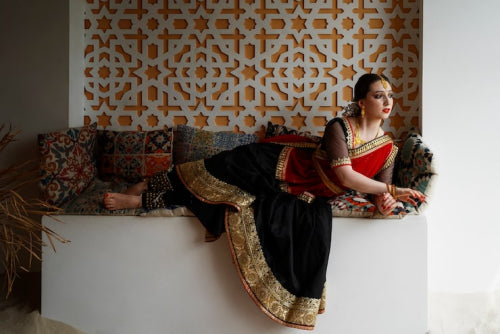
Imagine the rhythmic clack of wooden looms echoing through a sunlit workshop in rural India, where skilled hands transform raw silk into shimmering masterpieces. These sarees, once confined to family heirlooms and ceremonial occasions, now stride confidently onto international stages, from red carpets in Cannes to high-street stores in Manhattan.The saree stands as a beacon of cultural resilience, merging ancient weaving techniques with cutting-edge design. This evolution isn't mere coincidence; it's fueled by a global shift toward ethical fashion, where consumers crave pieces that tell stories of sustainability and skill. In this landscape, the saree emerges not just as attire, but as a statement of identity and innovation.
Fast fashion erodes cultural heritage, sidelining artisans and reducing traditions to trends. At IndieHaat, we champion India's craftspeople with handcrafted sarees, apparel, décor, and skincare rooted in authenticity. Each piece embodies skill and ethical care. Support artisans and preserve India's timeless legacy Shop Now!
Tradition Meets Modernity in 2025
The saree, that iconic unstitched drape spanning six yards, has long symbolized India's rich textile heritage. Its origins trace back millennia, yet its relevance endures, adapting to contemporary lifestyles while preserving artisanal essence. Today, from the vibrant bazaars of Kolkata to the sleek boutiques of Milan, the saree's appeal lies in its chameleon-like ability to transform a formal wrap for one, a casual ensemble for another. With sustainability at the forefront of fashion discourse, the handcrafted nature of sarees aligns perfectly with eco-conscious demands, drawing in buyers who value ethical production over mass-manufactured uniformity.
This year marks a pivotal moment, as digital platforms democratize access to these treasures. Social media feeds brim with tutorials on draping styles, while online marketplaces connect remote weavers directly to urban shoppers. Celebrity endorsements and fashion week showcases further propel this momentum, introducing regional variations to a broader audience. Urban youth, particularly millennials and Gen Z, are redefining the saree, favoring breathable fabrics and hybrid designs that blend tradition with everyday practicality. This fusion not only revitalizes the garment but also sustains livelihoods in weaving communities, ensuring that age-old crafts thrive amid modern challenges.
As global interest surges, the saree's economic impact becomes evident. It supports millions in India's handloom sector, fostering inclusive growth through fair-trade initiatives. Yet, this renaissance demands balance: honoring authenticity while embracing change. In 2025, designers are pushing boundaries, incorporating recycled materials and digital prints without diluting cultural significance. The result? A garment that resonates across borders, proving that tradition can indeed evolve without losing its soul.
The Seven Styles Set to Shine
At the heart of this revival are seven standout styles, each rooted in regional traditions but infused with fresh interpretations. These trends reflect a broader movement toward personalization, where wearers mix heritage elements with personal flair. Drawing from diverse influences, they cater to varied occasions, from intimate gatherings to grand celebrations, and appeal to a global clientele seeking unique, meaningful fashion.
Nivi Drape: The Timeless Classic Reimagined
Originating from Andhra Pradesh, the Nivi drape continues to reign as the quintessential saree style, celebrated for its graceful pleats and cascading pallu. In 2025, it receives a modern makeover with airy fabrics such as chiffon and georgette, complemented by innovative blouses like cropped or asymmetrical cuts. This evolution allows for seamless transitions between professional settings and social events, with subtle embroideries and soft pastels adding a contemporary touch. Its enduring popularity stems from this adaptability, making it a reliable choice for those who appreciate elegance with a hint of experimentation.
Designers are particularly focused on enhancing comfort, introducing lightweight variants that drape effortlessly. This style's versatility extends to accessorizing, where minimal jewelry amplifies its sophisticated appeal. As fashion evolves, the Nivi remains a foundation, inspiring countless variations that keep it relevant in wardrobes worldwide.
Aatpoure: Bengal's Festive Revival
Bengal's Aatpoure drape is experiencing a vibrant resurgence, characterized by its structured box pleats and commitment to sustainable handloom cottons. Ideal for festive seasons, this style shines in collections that emphasize eco-friendly practices. Brands like Suparna Som are at the forefront, merging traditional motifs with innovative floral patterns and vibrant hues, as explored in discussions on handloom saris brands. These creations evoke nostalgia while feeling refreshingly current, perfect for events like Durga Puja or cozy family dinners.
The appeal lies in its breathable fabrics and intricate weaves, which prioritize both aesthetics and environmental responsibility. Other notable labels, such as Button Thief with its minimalist cotton designs and Kasuti Kavana's embroidery expertise, contribute to this trend, offering options for daily wear or special occasions. This revival not only honors Bengal's weaving legacy but also attracts sustainability-minded consumers seeking pieces with purpose.
Mekhela Chador: Assam's Sustainable Star
From Assam comes the Mekhela Chador, a two-part garment gaining prominence in the eco-luxury space. Crafted from premium muga or eri silks, it embodies masterful artistry and is increasingly favored for its structured form and lively patterns. In 2025, lighter adaptations make it suitable for routine use, while its inherent sustainability derived from natural, handwoven fibers aligns with global green trends. This style excels in formal settings, where its bold motifs command attention.
The Mekhela Chador's rise reflects a broader appreciation for regional silks, with designers innovating to broaden its appeal. Its eco-credentials, free from synthetic dyes, position it as a frontrunner in conscious fashion, drawing admirers from beyond India's northeast to international markets.
Maharashtrian Nauvari: Bold and Bridal
The Maharashtrian Nauvari, with its expansive nine-yard length and pant-like drape, is captivating bridal enthusiasts and performers alike. Its dynamic silhouette, often enhanced with vivid colors and temple adornments, suits high-energy occasions like weddings or dances. Designers are updating it with metallic accents and modern prints, appealing to younger brides who blend tradition with individuality.
This style's strength is its functionality, allowing freedom of movement while maintaining a regal presence. As fusion wear gains traction, the Nauvari transitions effortlessly into contemporary contexts, solidifying its place in 2025's bridal lexicon.
Gujarati Seedha Pallu: Festive Elegance
The Gujarati Seedha Pallu stands out for its forward-facing pallu and elaborate embroideries, making it a top pick for holiday gifting. Featuring techniques like bandhani and mirror embellishments, it's tailored for vibrant festivals such as Navratri or Diwali. This year, expect gentler tones and featherlight materials that honor its roots while suiting modern preferences.
Its gifting popularity underscores its role in family traditions, with intricate details ensuring each piece feels special. As consumers seek meaningful presents, this style's cultural depth enhances its allure.
Modern Belted Saree: Millennial Chic
The modern belted saree is redefining urban elegance, where a chic belt accentuates the waist, merging flow with form. This trend, popularized on runways, captivates younger demographics with its edgy vibe. Insights from floral saree designs reveal how Janhvi Kapoor's floral jaal-work ensemble during the Param Sundari promotions amplified its momentum, showcasing versatile patterns from monochrome to oversized prints.
Ideal for those desiring a bold yet traditional look, it pairs well with corsets or shirts, offering endless styling possibilities. Brands like Torani and Devnaagri are leading with organza and chiffon variants in sorbet shades, perfect for brunches or evenings out.
Pre-Stitched Sarees: Convenience Meets Style
Pre-stitched sarees are revolutionizing accessibility, especially for the diaspora and novices. These ready-made designs bypass intricate draping, available in diverse materials from silk to cotton. In 2025, their dominance on online platforms caters to fast-paced lives, blending ease with sophistication.
This innovation democratizes the saree, inviting global participation without compromising on style. As e-commerce expands, pre-stitched options ensure tradition remains inclusive and approachable.
Real-World Impact: From Looms to Runways
These trends manifest vividly in India's design ecosystem. For instance, Suparna Som's creations reinvent Jamdani with floral innovations, while labels like Surmaye and Banarasi Baithak infuse classics with modern twists. Marketplaces bridge artisans and buyers, fostering direct connections that boost economies.
Influencers and overseas weddings amplify regional styles, with South Indian saree looks featuring Kanjeevarams and Kasavu gaining traction. Adorned with jasmine and temple jewelry, they blend luxury with heritage, as seen in celebrity choices like Sobhita Dhulipala. Clusters in Varanasi exemplify collaboration, producing updated Banarasi sarees for worldwide distribution, preserving techniques while securing futures.
Challenges in the Saree Renaissance
Yet, this boom faces obstacles. Striking equilibrium between innovation and tradition is crucial; excessive change may estrange traditionalists, while stagnation curbs growth. Artisans grapple with escalating costs for natural resources, competing against affordable synthetics. Maintaining fair wages in a fast-fashion era demands vigilant advocacy. Supply chain issues and skill shortages further complicate matters, requiring investments in training and infrastructure to sustain this cultural asset.
Opportunities for Growth
Amid challenges, prospects abound. Online retail expands reach, enabling artisans to tap international markets. Exports to NRIs and eco-aware buyers highlight authenticity's value. Narrative-driven branding, emphasizing weaver's tales, cultivates loyalty.
Partnerships between creators and communities yield resonant designs, from organic cottons to artistic embroideries. As sustainability trends intensify, sarees position themselves as premium, ethical choices, promising robust business expansion.
A Memorable The Saree's Global Moment
The saree transcends national boundaries, emerging as a worldwide emblem of artisanal opulence. In 2025, it embodies a dynamic force, where sustainability and genuineness captivate discerning audiences. Industry leaders foresee continued enchantment, urging brands to harness online narratives, collaborative ventures, and adaptive spirit. Ultimately, whether in a boardroom Nivi or a party belted saree, this garment endures, interlacing history with tomorrow's visions in every fold.
Frequently Asked Questions
What are the top saree trends for 2025?
The seven standout saree trends for 2025 include the reimagined Nivi drape with lightweight fabrics, Bengal's sustainable Aatpoure style, Assam's eco-luxury Mekhela Chador, the bold Maharashtrian Nauvari for bridal wear, Gujarat's festive Seedha Pallu, the modern belted saree for millennials, and convenient pre-stitched sarees. These styles blend traditional craftsmanship with contemporary elements like sustainable materials, innovative draping techniques, and modern accessories to appeal to global audiences seeking both heritage and style.
Why are sustainable and eco-friendly sarees becoming popular in 2025?
Sustainable sarees are gaining popularity because they align with the global shift toward ethical fashion, where consumers prioritize pieces with environmental and social impact over mass-manufactured alternatives. Styles like the Aatpoure drape use eco-friendly handloom cottons, while the Mekhela Chador features natural muga and eri silks free from synthetic dyes. This trend supports millions in India's handloom sector through fair-trade initiatives, allowing fashion-conscious buyers to make purchases that preserve traditional crafts while promoting environmental responsibility.
How are modern saree styles appealing to younger generations?
Modern saree styles attract millennials and Gen Z through innovative adaptations like the belted saree that merges traditional draping with contemporary silhouettes, and pre-stitched sarees that offer convenience without compromising style. Designers are incorporating breathable fabrics, cropped blouses, asymmetrical cuts, and hybrid designs that work for both professional settings and social events. These updates make sarees more accessible to urban youth and the global diaspora, while social media tutorials and online marketplaces democratize access to these traditional garments with modern appeal.
Disclaimer: The above helpful resources content contains personal opinions and experiences. The information provided is for general knowledge and does not constitute professional advice.
You may also be interested in: Artisan News – Indiehaat.com
Fast fashion erodes cultural heritage, sidelining artisans and reducing traditions to trends. At IndieHaat, we champion India's craftspeople with handcrafted sarees, apparel, décor, and skincare rooted in authenticity. Each piece embodies skill and ethical care. Support artisans and preserve India's timeless legacy Shop Now!
Powered by flareAI.co