Role of Artisans in Preserving Indian Textile Traditions
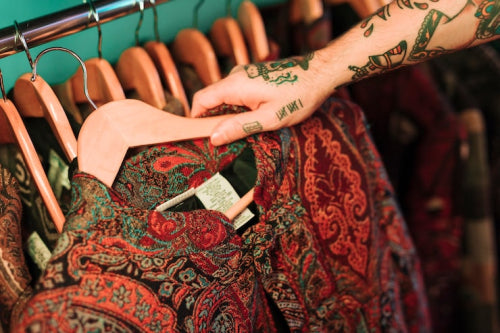
In the quiet villages of East Singhbhum, artisans like Salge Tudu weave more than just fabric they craft legacies. Once struggling to sell their tribal textiles locally, Tudu now earns thousands monthly through online platforms that ship her work worldwide. "After we associated with the business, our economic conditions elevated," she shared, highlighting how products once overlooked now fetch premium prices globally. This story echoes across India, where millions of artisans are revitalizing ancient crafts amid a digital boom, preserving cultural treasures while fueling economic growth.
Fast fashion erodes cultural heritage, sidelining artisans and reducing traditions to trends. At IndieHaat, we champion India's craftspeople with handcrafted sarees, apparel, décor, and skincare rooted in authenticity. Each piece embodies skill and ethical care. Support artisans and preserve India's timeless legacy Shop Now!
Preserving Heritage in a Digital World
India's textile heritage spans centuries, encompassing intricate handloom weaves, vibrant block printing, delicate embroidery, and eco-friendly natural dyeing techniques handed down through families. These crafts, from Varanasi's opulent Banarasi sarees to Kutch's rugged earthy patterns, embody narratives of cultural identity, communal bonds, and enduring resilience. In today's market, where authenticity and sustainability reign supreme, these traditions are experiencing a resurgence. The Indian textile market, valued at $222.08 billion in 2024, is forecasted to expand to $646.96 billion by 2033, growing at a compound annual rate of 11.98% from 2025 onward. This surge is propelled by escalating demand for premium apparel, smart textiles, governmental support for weavers, and the adoption of ethical, sustainable fabrics.
At the heart of this industry are over seven million artisans, as reported by the Ministry of Textiles, who form the backbone of rural economies where job options are limited. The sector not only generates employment but also empowers marginalized groups, particularly women, fostering financial independence and social dignity in traditionally patriarchal settings. In regions like Ranchi, online platforms for tribal attire have become vital, enabling artisans to preserve traditional weaving while transforming their livelihoods. With around 350 weavers in East Singhbhum embroidering women's garments that see high demand during festivals such as Durga Puja and Sarhul, the initiative has boosted incomes some, like Chara Swansi, now earn Rs 15,000 to 20,000 monthly. These platforms extend global reach, with items adorning celebrities and crossing borders, instilling pride and stability.
The e-commerce revolution, featuring sites like IndieHaat, Jaypore, and Etsy, has democratized access, allowing artisans to sidestep middlemen and connect directly with buyers. This shift amplifies their voices, turning crafts into symbols of empowerment and cultural continuity.
The Digital Loom: Trends Reshaping Artisanal Textiles
The transition to digital platforms extends beyond sales; it's about crafting compelling stories. Artisans leverage Instagram, Shopify, and augmented reality to narrate their craft's journey, fostering trust in an era skeptical of industrial production. A Varanasi weaver might share live loom sessions, while Rajasthan cooperatives offer virtual shawl try-ons, enhancing buyer engagement. Sustainability drives this narrative, with eco-aware consumers especially Gen Z in urban areas favoring handwoven pieces using natural dyes and organic materials.
The Indian fashion landscape emphasizes elevated essentials, draped contemporary wear, and co-ord sets blending tradition with modernity. Handloom revival tops the charts, with sustainable organic fabrics leading as the future of textile design. Startups are redefining handicrafts through AI and e-commerce, promoting eco-friendly practices and tech-driven entrepreneurship. Curated platforms highlight authentic crafts like linen tunics and silk sarees, capitalizing on global demand.
Collaborations amplify impact. NGOs such as Dastkar and brands like Fabindia aid craft clusters in scaling, merging age-old methods with contemporary aesthetics. Luxury labels partner with artisans for unique handcrafted elements. Global disruptions, including unrest in Bangladesh, have redirected retailers to India, prompting governmental boosts in financial aid, tax reductions on raw materials like polyester, and initiatives to enhance competitiveness. Programs like the PM Mega Integrated Textile Region and Apparel (PM MITRA) scheme, with INR 4,445 crore allocated for seven parks, integrate value chains and cut logistics costs. The Production Linked Incentive (PLI) for textiles, at INR 10,683 crore, spurs large-scale production of man-made fibers and technical textiles.
In 2025, developments include Welspun World's domestic expansion, Alok Industrie's advanced linen launches, Vardhman's capacity investments, and Raymond Lifestyle's hiring spree for new stores, all riding the wave of manufacturing shifts to India. Free Trade Agreements with the UK, EU, and Australia further open export avenues, while digitalization and AI personalize offerings.
Challenges on the Loom
Despite progress, obstacles persist. Rural artisans often lack digital skills, hindering e-commerce navigation. Internet and smartphone access remain patchy in remote areas, exacerbating isolation. Supply chains grapple with volatile raw material prices and export logistics. Machine-made replicas saturate markets, devaluing genuine handicrafts. Income instability, fueled by tourism swings evident in a 70% revenue drop during COVID-19 and limited online access, perpetuates poverty. In India, artisans earn $3.40–$4.50 daily in urban zones and $0.89 rurally, far below minimum wages, with 90% operating informally.
Lack of regulation exposes them to exploitation; middlemen claim up to 10% of value, and 98% of businesses evade federal oversight. Consequences include artisans abandoning trades 30% recently in India shrinking local and global economies. Cultural appropriation by brands without credit diminishes value. Yet, groups like Ethik Collective forge partnerships, supporting thousands with fair pay and steady contracts.
Opportunities Woven with Innovation
E-commerce equalizes opportunities, enabling direct sales and better wages. Innovations like AI for trend forecasting and blockchain for traceability enhance transparency buyers can scan QR codes to follow a garment's origin. The slow fashion movement positions Indian textiles ideally, rejecting fast fashion's waste for sustainable, heritage-rich alternatives. Cross-border ties with European designers yield fusion pieces retaining traditional essence.
Government schemes bolster this. The 2025 Union Budget's Cotton Mission, with INR 600 crore, aims to boost cotton output. EU partnerships launched seven projects to fortify textiles and handicrafts. "Haat on Wheels" from the Ministry of Textiles enhances market access for handlooms. Bharat Tex 2025 aligns with Make in India, promoting employment and empowerment. Suggestions to extend PLI to handicrafts could create more jobs.
A Future Woven with Hope
The outlook for India's textile artisans is promising, contingent on sustained backing. Leaders advocate digital training to equip them for online success. Partnerships among platforms, NGOs, and communities foster resilience. The sector, employing millions, anchors rural development; investments could swell these numbers, alleviating poverty.
Tudu's transformation from nil earnings to substantial income illustrates connectivity's power. But it's deeper: every weave preserves history. In an automated world, artisans highlight human creativity's irreplaceable value. Digital amplification ensures their crafts not only survive but flourish, safeguarding heritage for posterity. As we explore Preserving Heritage: How Indian Artisans Safeguard Textile Traditions in the Digital Age, it's clear this fusion of tradition and innovation weaves a vibrant future.
Frequently Asked Questions
How are Indian textile artisans preserving traditional crafts in the digital age?
Indian textile artisans are leveraging digital platforms and e-commerce sites like IndieHaat, Jaypore, and Etsy to reach global markets while maintaining traditional weaving techniques. They use social media platforms like Instagram to share their craft stories, with some offering virtual try-ons and live loom sessions to engage buyers. This digital transformation allows them to bypass middlemen, earn better wages, and preserve centuries-old techniques like handloom weaving, block printing, and natural dyeing while adapting to modern market demands.
What challenges do Indian handloom artisans face in today's market?
Indian artisans face several significant challenges including lack of digital skills for navigating e-commerce platforms, limited internet access in rural areas, and competition from machine-made replicas that devalue authentic handicrafts. Many artisans earn only $0.89-$4.50 daily, far below minimum wages, with 90% operating informally without federal oversight. Additional challenges include volatile raw material prices, exploitation by middlemen who claim up to 10% of value, and cultural appropriation by brands that use traditional designs without crediting the original creators.
How big is the Indian textile market and what growth opportunities exist for artisans?
The Indian textile market was valued at $222.08 billion in 2024 and is forecasted to reach $646.96 billion by 2033, growing at 11.98% annually. With over 7 million artisans forming the industry backbone, significant opportunities exist through government initiatives like the PM MITRA scheme (INR 4,445 crore for seven textile parks) and the Production Linked Incentive scheme (INR 10,683 crore). The handicrafts segment alone reached $4,277.5 million in 2023 and is projected to hit $7,817.8 million by 2032, driven by growing demand for sustainable, authentic products from eco-conscious consumers.
Disclaimer: The above helpful resources content contains personal opinions and experiences. The information provided is for general knowledge and does not constitute professional advice.
You may also be interested in: Traditional Indian Fabrics Inspire Global Fashion Designers
Fast fashion erodes cultural heritage, sidelining artisans and reducing traditions to trends. At IndieHaat, we champion India's craftspeople with handcrafted sarees, apparel, décor, and skincare rooted in authenticity. Each piece embodies skill and ethical care. Support artisans and preserve India's timeless legacy Shop Now!
Powered by flareAI.co