Rise of Linen and Cotton Handlooms in Contemporary Indian Wardrobes
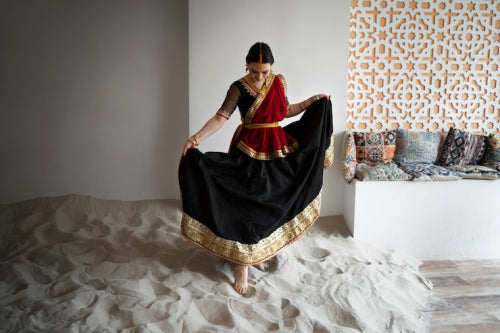
The rise of linen and cotton handlooms reflects a meaningful shift in how Indian consumers approach their wardrobes. As lifestyles evolve and awareness of sustainable choices grows, these natural fabrics are moving from traditional settings into everyday contemporary fashion. Shoppers seek comfort, breathability, and pieces that tell a story of craftsmanship, driving renewed interest in handwoven textiles that blend heritage with modern needs.
Fast fashion erodes cultural heritage, sidelining artisans and reducing traditions to trends. At IndieHaat, we champion India's craftspeople with handcrafted sarees, apparel, décor, and skincare rooted in authenticity. Each piece embodies skill and ethical care. Support artisans and preserve India's timeless legacy Shop Now!
The Timeless Appeal of Natural Fibres
Cotton and linen have long been staples in Indian clothing, prized for their ability to handle diverse climates with ease. Cotton offers softness and durability, making it ideal for daily wear, while linen brings a crisp, airy quality that feels refreshing in warmer months. Together, they support versatile styling options that fit both casual and more formal occasions.
Consumers today value how these fabrics adapt to modern life. Lightweight and easy to maintain, they reduce reliance on synthetic alternatives that may lack the same comfort or longevity. This preference aligns with a broader desire for clothing that feels good to wear and lasts longer, encouraging thoughtful purchases over fast fashion trends.
Cultural Roots and Modern Adaptations
Handloom weaving carries deep cultural significance in India, connecting generations through skilled artisans who preserve traditional techniques. Yet, contemporary designers are reimagining these fabrics to suit urban wardrobes. The focus is on clean lines, functional drapes, and subtle textures that appeal to professionals, homemakers, and fashion enthusiasts alike.
One notable example comes from designer Anavila Misra linen saris, who has pioneered handwoven linen saris that transformed the traditional drape into a lightweight, modern essential for contemporary Indian women. By working closely with weavers in Phulia, West Bengal, she modernized the labor-intensive process to create minimal yet elegant pieces that prioritize comfort and versatility. Linen's natural texture and breathability make these saris perfect for everyday and warmer climates, moving beyond heavy embellishments to clean, sophisticated designs that appeal to a new generation. This innovation demonstrates how handloom techniques can evolve while preserving artisanal skills, offering a global language for Indian textiles that blends heritage with contemporary minimalism.
Why Linen and Cotton Suit Contemporary Lifestyles
In bustling cities and suburban homes, people need clothing that moves with them. Linen and cotton excel here, providing breathability that keeps wearers comfortable during long days or humid weather. Their natural properties help regulate temperature, making them suitable year-round with proper layering.
Beyond comfort, these fabrics support sustainability goals. Handloom production often involves lower environmental impact compared to industrial methods, appealing to those who want their choices to support ethical practices. Artisans benefit directly when demand grows, strengthening rural economies and preserving valuable skills.
Versatility stands out as another key advantage. A handloom cotton kurta can transition seamlessly from office meetings to evening gatherings, while linen shirts or dresses offer effortless style for weekend outings. This flexibility reduces the need for extensive wardrobes, promoting more intentional consumption.
Consumer Trends Driving the Shift
Buyers are increasingly drawn to products with authenticity and traceability. Handloom items carry the mark of human hands, each piece unique in its weave and texture. This individuality contrasts with mass-produced uniformity, creating emotional connections that enhance personal style.
The global handloom product market demonstrates robust expansion, with cotton holding a dominant share due to its breathability, durability, and versatility across everyday and seasonal clothing. Consumers gravitate toward natural fibers like cotton and linen for their eco-friendly properties and comfort, particularly in warm climates where these fabrics excel in moisture management and lightness. Sarees and apparel remain key categories, but dress materials and fusion wear gain traction as modern buyers seek versatile pieces for contemporary wardrobes. Handloom product market trends highlight how India's handloom sector leads this growth, supported by cultural significance, government initiatives, and rising e-commerce that connects artisans directly to consumers. Sustainability drives preferences, with buyers prioritizing handmade items that reduce environmental impact compared to fast fashion.
Families across India incorporate these fabrics into daily routines, from children's wear to home textiles. The emphasis on natural materials extends to home décor, where cotton and linen curtains or cushion covers bring warmth and elegance. This holistic approach reflects how consumers integrate mindful choices across different aspects of life.
Online platforms play a vital role in this evolution by connecting artisans directly with buyers. Curated marketplaces make it easier to discover regional specialties and support makers without intermediaries, fostering a more transparent supply chain.
Challenges and Opportunities in Handloom Revival
Despite growing interest, the sector faces hurdles such as competition from power looms and the need for consistent quality standards. Artisans often work with limited resources, highlighting the importance of initiatives that provide training, market access, and fair compensation.
Opportunities emerge as brands and consumers collaborate on innovative designs. Fusion wear that mixes traditional weaves with contemporary silhouettes gains traction, appealing to younger demographics who want to celebrate heritage in fresh ways. Government support and e-commerce growth further amplify these efforts, helping handloom reach wider audiences.
Designers and retailers who prioritise quality and storytelling differentiate themselves in a crowded market. By focusing on education around fabric care and styling, they empower customers to make the most of their purchases and build lasting relationships.
Styling Tips for Everyday Elegance
Incorporating linen and cotton handlooms into your wardrobe need not be complicated. Start with basics: a breathable cotton shirt paired with tailored trousers for work, or a linen kurta for relaxed weekends. Accessorise with simple jewellery or scarves to add personality.
For women, a handwoven linen sari offers an alternative to heavier traditional drapes, perfect for office wear or social events. Men can explore cotton bandhgalas or casual shirts that showcase subtle patterns. Mixing textures such as linen with denim or cotton with silk creates interesting, layered looks suitable for India's varied seasons.
Care remains straightforward. Gentle washing and air-drying help maintain the fabric's natural qualities, extending their lifespan and reducing environmental footprint.
The Role of Marketplaces in Supporting Artisans
Platforms dedicated to handmade goods serve as bridges between craftspeople and conscious consumers. By curating authentic products, they ensure artisans receive recognition and fair value for their work. This model not only sustains traditions but also encourages innovation in design and production.
Shoppers benefit from transparency, detailed descriptions of origins, and the ability to explore diverse regional crafts from one place. Such experiences turn purchasing into an act of appreciation and support for India's rich textile heritage.
As interest in sustainable fashion continues, these marketplaces help shape a future where handloom occupies a prominent place in everyday Indian wardrobes. The focus remains on quality, comfort, and cultural pride that transcends fleeting trends.
The growing presence of linen and cotton handlooms signals a return to values that matter craftsmanship, sustainability, and personal connection. By choosing these fabrics, consumers contribute to a vibrant ecosystem that honours tradition while embracing modernity. Whether through a simple cotton kurta or an elegant linen drape, these pieces enrich wardrobes and support the artisans who bring them to life.
Frequently Asked Questions
How can linen and cotton handloom outfits be styled for modern everyday wear?
Linen and cotton handloom outfits can be styled effortlessly for both professional and casual settings. A cotton kurta or linen shirt works well for office wear, while linen saris or dresses suit social and festive occasions. These fabrics pair easily with denim, silk, or minimal accessories to create contemporary fusion looks. Their versatility allows wearers to build elegant, comfortable outfits for everyday use.
Why are linen and cotton handlooms becoming popular in contemporary Indian wardrobes?
Linen and cotton handlooms are gaining popularity in contemporary Indian wardrobes due to their comfort, breathability, and suitability for India's diverse climate. These natural fabrics align with the growing preference for sustainable fashion and mindful consumption. Their lightweight texture and versatility make them ideal for both everyday wear and modern, minimalist styling. As a result, they are increasingly replacing synthetic fast fashion choices.
What are the benefits of choosing handloom cotton and linen clothing over fast fashion?
Handloom cotton and linen clothing offer several benefits over fast fashion, including better durability, comfort, and eco-friendly production methods. These fabrics are often woven by artisans, helping preserve traditional skills while supporting rural livelihoods. Unlike mass-produced garments, handloom pieces are unique in texture and design, adding authenticity to personal style. They also have a lower environmental impact, making them a more sustainable wardrobe choice.
Disclaimer: The above helpful resources content contains personal opinions and experiences. The information provided is for general knowledge and does not constitute professional advice.
You may also be interested in: The Revival of Indias Handloom Heritage Amid Growing
Fast fashion erodes cultural heritage, sidelining artisans and reducing traditions to trends. At IndieHaat, we champion India's craftspeople with handcrafted sarees, apparel, décor, and skincare rooted in authenticity. Each piece embodies skill and ethical care. Support artisans and preserve India's timeless legacy Shop Now!
Powered by flareAI.co