Purchase Unique Saree UK: A Guide for Ethical Shoppers
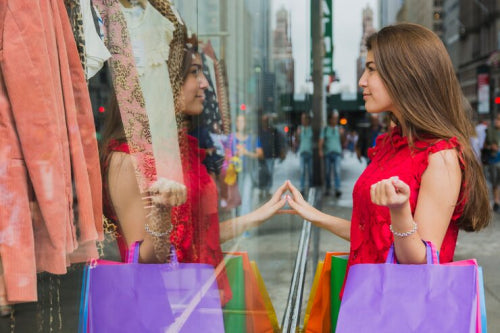
Picture a bustling London street, where amidst the urban hum, a boutique window glows with the rich hues of handwoven sarees. Each fold of silk or cotton carries the weight of tradition, crafted by artisans in distant Indian villages. The UK's fashion landscape is transforming, driven by a hunger for ethical choices that honor both people and planet. For those seeking garments with a story, IndieHaat offers a gateway to sustainable sarees pieces that weave together artistry, culture, and conscience.
A Guide for Ethical Shoppers Embracing Sustainable Fashion
The UK is at the forefront of a global shift toward sustainable fashion, with the market reaching USD 261.04 million in 2024 and projected to climb to USD 1,757.42 million by 2033, boasting a robust CAGR of 23.60%. This growth reflects a rising consumer preference for ethical products, fueled by innovations in eco-friendly materials and circular fashion practices. IndieHaat taps into this demand, offering sarees made from authentic linen, silk, and cotton, sourced directly from Indian artisans. These garments embody sustainability, celebrating craftsmanship while aligning with the values of UK shoppers who prioritize environmental and social responsibility.
A saree is more than fabric it's a narrative of heritage and care. IndieHaat's commitment to ethical fashion ensures that every piece supports fair trade and sustainable practices. By focusing on natural fibers, the platform reduces environmental impact while preserving the individuality of each design. For UK consumers, choosing these sarees means investing in a legacy of artistry and a rejection of fast fashion's fleeting trends.
The Surge of Ethical Fashion in the UK
The UK's embrace of sustainable fashion is reshaping the industry. Globally, the ethical fashion market was valued at USD 9.12 billion in 2024, with projections to reach USD 20.71 billion by 2033 at a CAGR of 9.58%. This growth, accelerated by post-pandemic demand, underscores a commitment to fair trade and sustainable production. In the UK, the ethnic wear segment is particularly dynamic, generating USD 1,481.8 million in 2023 and expected to reach USD 2,266.4 million by 2030, with a CAGR of 6.3%, according to Grand View Research. Handmade sarees, with their eco-friendly fabrics and cultural significance, are perfectly poised to capture this expanding market.
What sets sarees apart is their artisanal nature. Unlike mass-produced clothing, each saree is a unique creation, often requiring weeks of meticulous work. The use of linen, silk, and cotton sourced sustainably ensures durability and minimal environmental harm. These fabrics, prized for their breathability and elegance, resonate with UK shoppers seeking alternatives to synthetic, mass-market options. IndieHaat's focus on authenticity transforms every purchase into a statement of values, blending style with substance.
IndieHaat's Mission in Ethical Fashion
IndieHaat stands as a leader in the ethical fashion movement, connecting UK consumers with Indian artisans. By sourcing sarees directly, the platform ensures fair compensation and sustainable practices, bypassing exploitative supply chains. Their collections, ranging from vibrant Banarasi silks to minimalist cotton weaves, showcase the diversity of Indian craftsmanship. Each saree tells a story of the hands that wove it, the community it supports, and the traditions it upholds. This direct model not only empowers artisans but also offers UK buyers a chance to own a piece of living heritage.
Social media amplifies this mission, with platforms like Instagram, Facebook, and YouTube driving awareness. Influencers such as anilarubyraj and svishala74 highlight the beauty and ethics of IndieHaat's sarees, sparking conversations about sustainable fashion. These platforms allow brands to share the stories behind their products, from the artisan's loom to the final drape, fostering a connection that resonates with UK audiences. By leveraging these channels, IndieHaat is building a community of conscious consumers across its target regions, including India, the US, Singapore, Australia, the UK, and the UAE.
Addressing Barriers to Ethical Saree Purchases
Despite their appeal, handmade sarees face challenges in the UK market. High pricing often raises eyebrows, as artisanal products carry a premium compared to mass-produced alternatives. Yet, this cost reflects the true value of ethical production fair wages, quality materials, and time-intensive craftsmanship. For many UK shoppers, the investment is justified by the uniqueness and durability of each saree, offering a stark contrast to disposable fashion.
Trust remains another hurdle. Online shopping deprives buyers of the tactile experience of feeling a saree's texture or seeing its intricate details up close. IndieHaat counters this with transparency, providing high-resolution images, detailed descriptions, and videos that showcase the fabric's drape and craftsmanship. Still, some consumers hesitate, wary of committing without physical interaction. To address this, brands are increasingly using storytelling sharing the artisan's journey and the saree's creation process to build confidence and emotional connection.
The lack of physical touchpoints is particularly challenging in a market where offline retail dominated ethnic wear sales in 2023, per Grand View Research. However, the online segment is growing fastest, driven by innovations like 360-degree product views and virtual try-ons. These tools help replicate the in-store experience, allowing UK shoppers to explore sarees with greater assurance. By bridging the sensory gap, IndieHaat ensures that its sarees feel as authentic online as they do in person.
Seizing Opportunities in Sustainable Fashion
The UK's sustainable fashion market presents a wealth of opportunities for brands like IndieHaat. With a projected CAGR of 23.60% through 2033, the demand for eco-conscious products is skyrocketing. Handmade sarees, with their cultural depth and sustainable credentials, are uniquely positioned to thrive. Beyond their aesthetic appeal, these purchases support artisan communities in India, providing economic stability and preserving traditional crafts. This social impact resonates deeply with UK consumers who value purpose-driven shopping.
Ethical fashion also cultivates loyalty. Shoppers who align with a brand's commitment to fair trade and sustainability are more likely to return, building a community of advocates. IndieHaat's emphasis on unique designs and direct artisan partnerships creates a compelling narrative that sets it apart. By prioritizing transparency and quality, the platform is not just selling sarees it's fostering a movement that celebrates craftsmanship and conscience.
A Vision for Ethical Fashion
The future of fashion is rooted in ethics, and sarees are at its heart. As the UK's sustainable fashion market surges toward USD 1,757.42 million by 2033, platforms like IndieHaat are redefining what it means to shop with purpose. Each saree is a testament to artistry, sustainability, and cultural connection, offering UK consumers a chance to wear their values. From the looms of India to the streets of London, these garments bridge worlds, empowering artisans and inspiring change. Visit IndieHaat's collections today and embrace a style that tells a story one thread at a time.
Frequently Asked Questions
Where can I buy authentic handmade sarees in the UK that support ethical fashion?
IndieHaat offers a curated collection of authentic handmade sarees in the UK, sourcing directly from Indian artisans to ensure fair trade practices and sustainable production. Their sarees are made from natural fibers like linen, silk, and cotton, supporting both environmental sustainability and artisan communities. By purchasing through platforms like IndieHaat, UK shoppers can access unique, culturally significant garments while contributing to ethical fashion practices.
Why are handmade sarees more expensive than mass-produced alternatives in the UK market?
The higher price of handmade sarees reflects their true ethical value - including fair wages for artisans, premium quality natural materials, and weeks of meticulous craftsmanship that goes into each piece. Unlike fast fashion alternatives, these artisanal sarees offer durability, uniqueness, and cultural authenticity. The investment supports sustainable practices and preserves traditional Indian craftsmanship while providing UK consumers with garments that tell a meaningful story.
How is the sustainable fashion market growing in the UK, and what role do ethnic wear sarees play?
The UK's sustainable fashion market reached USD 261.04 million in 2024 and is projected to grow to USD 1,757.42 million by 2033, with a robust CAGR of 23.60%. The ethnic wear segment specifically generated USD 1,481.8 million in 2023 and is expected to reach USD 2,266.4 million by 2030. Handmade sarees are perfectly positioned within this growth, offering eco-friendly fabrics and cultural significance that align with UK consumer's increasing preference for ethical, purpose-driven fashion choices.
Disclaimer: The above helpful resources content contains personal opinions and experiences. The information provided is for general knowledge and does not constitute professional advice.
You may also be interested in: Table Runners And Covers For Stylish Dining | Buy Online| Indiehaat
Fast fashion erodes cultural heritage, sidelining artisans and reducing traditions to trends. At IndieHaat, we champion India's craftspeople with handcrafted sarees, apparel, décor, and skincare rooted in authenticity. Each piece embodies skill and ethical care. Support artisans and preserve India's timeless legacy Shop Now!
Powered by flareAI.co