Preserving the Art of Jamdani Weaving in West Bengal's Rural Clusters
Quick Listen:
In the rural hamlets of West Bengal, where the steady hum of wooden looms reverberates through narrow lanes, artisans breathe life into an ancient craft. Jamdani weaving, a delicate interplay of cotton and motif, is not merely fabric but a living testament to India's cultural heritage. Once adorning Mughal royalty, this intricate textile now faces existential threats from globalization, urban migration, and the rise of mechanized production. Yet, in villages like Shantipur and Fulia, a resolute movement is underway, merging tradition with modern ingenuity to ensure Jamdani's survival.
Fast fashion erodes cultural heritage, sidelining artisans and reducing traditions to trends. At IndieHaat, we champion India's craftspeople with handcrafted sarees, apparel, décor, and skincare rooted in authenticity. Each piece embodies skill and ethical care. Support artisans and preserve India's timeless legacy Shop Now!
Reviving the Legacy: Preserving Jamdani Weaving in West Bengal's Rural Heartlands
Jamdani is a marvel of craftsmanship. Its gossamer muslin, woven with intricate floral and geometric patterns, appears almost ethereal, as if threads were spun from air. Originating in Bengal, particularly around Dhaka (now Bangladesh), it was once a luxury traded across Asia and Europe. The 1947 Partition brought many weavers to West Bengal, where towns like Shantipur, Fulia, and Kalna became custodians of this tradition. Today, Jamdani sarees remain a cornerstone of Bengali identity and a rising star in global sustainable fashion. But the craft's future is precarious, tethered to the resilience of rural artisans.
The Indian handloom market, valued at USD 358.2 million in 2024, is expected to grow to USD 779.71 million by 2033, achieving a robust 9.03% CAGR, according to Deep Market Insights. Sarees, with Jamdani at the forefront, lead this sector, underscoring their cultural and economic weight. Dress materials, however, are projected to see the fastest growth. Despite this promising trajectory, rural weavers grapple with systemic challenges, from the dominance of machine-made textiles to the loss of skilled labor to urban centers.
The Weight of Tradition
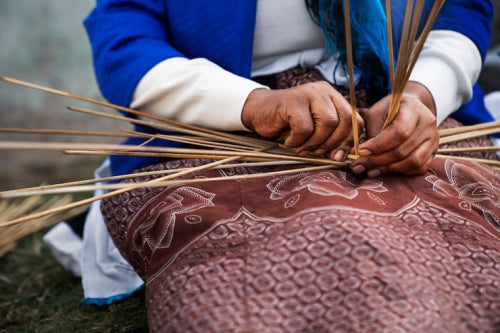
In Fulia's weaving sheds, an artisan labors over a loom, her hands guiding a kandul to shape delicate paisley designs. Each saree demands weeks, sometimes months, of meticulous work. Yet, the financial return is disheartening. In West Bengal, as in Bangladesh, where senior weavers earn roughly $20-$25 monthly, incomes barely sustain families. Rising cotton prices and competition from power looms erode profits, forcing many to question the viability of their craft. For these artisans, weaving is both a livelihood and a legacy, but the scales tip heavily against them.
A deeper crisis looms: the erosion of expertise. As younger villagers chase urban opportunities in tech or service industries, fewer inherit the intricate skills of Jamdani weaving. In Kalna, a veteran weaver spoke of his son, now a taxi driver in Kolkata, who sees no future in the loom. Government data underscores this trend, with rural artisan numbers dwindling as clusters report shortages of trained weavers. The craft's demands patience, precision, and years of practice clash with the allure of faster, more lucrative urban jobs, threatening to sever a generational thread.
Policy and Progress
Amid these challenges, a wave of innovation and support is reshaping the landscape. The Indian government's Swadeshi Campaign, launched by the Ministry of Textiles, seeks to ignite domestic demand for handloom products, targeting urban youth and Gen Z. Spanning six to nine months, the initiative promotes textiles like Jamdani as emblems of heritage and style, urging institutions to adopt them for uniforms and decor. Paired with schemes like the Handloom Mark and financial aid, this campaign is revitalizing rural weaving clusters, offering artisans a lifeline.
Technology is proving a powerful ally. In Shantipur, weaver cooperatives are leveraging e-commerce platforms to connect with global markets. By selling directly on sites like IndieHaat and Etsy, artisans bypass exploitative middlemen, reaching buyers in the US, UK, and UAE, where demand for sustainable fashion is surging. One cooperative reported a 30% sales boost after going online, a testament to the power of digital access. NGO-led workshops are equipping weavers with social media skills, transforming their looms into compelling narratives for modern consumers.
Global Stage, Local Roots
Jamdani's allure is crossing borders. Its intricate designs have captivated international designers, gracing runways in Paris and New York. In 2013, UNESCO recognized Jamdani weaving as an Intangible Cultural Heritage, elevating its global stature. Museums, from London to Delhi, now display antique Jamdani sarees, highlighting their historical depth. This international acclaim is driving exports, as eco-conscious consumers embrace handwoven textiles over fast fashion. The craft's sustainability rooted in manual labor and natural fibers resonates with a world rethinking consumption.
In Katwa, a women's cooperative exemplifies this blend of tradition and progress. Supported by an NGO, these weavers have embraced modern design trends, incorporating vibrant colors and contemporary motifs while honoring ancestral techniques. One member, now a leader, doubled her income by selling directly to an online retailer. “This is our heritage,” she declared, “and now our strength.” Such stories underscore the potential of collective action, training, and market access to transform lives.
Bridging the Divide
Collaborations with brands are bridging rural and urban worlds. In Fulia, a designer teamed with weavers to craft Jamdani scarves for a prominent Indian fashion house, boosting incomes and exposing the craft to affluent buyers. These partnerships are vital, amplifying artisan's reach while preserving their authenticity. Meanwhile, craft tourism is gaining traction. Villages like Phulia invite visitors to witness weaving firsthand, offering workshops and direct sales. This not only generates revenue but also fosters cultural appreciation, turning looms into living classrooms.
Yet, challenges persist. Market access remains uneven, with many artisans reliant on local traders who offer low prices. Infrastructure gaps unreliable electricity, poor roads hinder efficiency. The government's One District One Product scheme and PM MITRA Parks aim to address these, but implementation is gradual. Artisans also face the psychological toll of an uncertain future, as the craft's survival hinges on their ability to adapt without losing its essence.
A Tapestry of Hope
Jamdani weaving stands at a pivotal moment. Will it fade into obscurity, a footnote in India's cultural history, or emerge as a vibrant thread in its modern narrative? The answer lies in collective resolve government policies, consumer support, and the tenacity of artisans. Biren Kumar Basak, a Padma Shri-awarded weaver, captures this spirit: “Jamdani is our heart, our story woven into cloth.” By prioritizing skill development, expanding digital marketplaces, and fostering craft tourism, West Bengal's weavers can secure a sustainable future. As you drape a Jamdani saree, you hold more than fabric you cradle a legacy, crafted by hands determined to keep it alive.
Frequently Asked Questions
What is Jamdani weaving, and why is it significant in West Bengal?
Jamdani weaving is a traditional handwoven textile art from Bengal, known for its intricate patterns and lightweight muslin fabric. In West Bengal, it holds cultural significance as a symbol of heritage, particularly in rural clusters like Phulia and Santipur. The blog highlights its labor-intensive process, which involves skilled artisans creating motifs like flowers and geometric shapes, preserving a centuries-old craft. This art form is also recognized by UNESCO as an Intangible Cultural Heritage.
How are rural artisans in West Bengal preserving the Jamdani weaving tradition?
Rural artisans in West Bengal preserve Jamdani weaving through traditional techniques passed down generations, as detailed in the blog. They use handlooms and natural dyes in clusters like Nadia district, maintaining authenticity despite modern challenges. Cooperatives and government initiatives support these artisans by providing training and market access, ensuring the craft's survival. This blend of tradition and innovation keeps Jamdani relevant in today's fashion industry.
What challenges do Jamdani weavers in West Bengal face today?
Jamdani weavers in West Bengal face challenges like low wages, competition from mechanized textiles, and declining interest among younger generations, as noted in the blog. The time-intensive nature of handweaving limits production, making it hard to compete with mass-produced fabrics. However, efforts like fair-trade organizations and e-commerce platforms are helping artisans gain better visibility and fair compensation. These initiatives aim to sustain the craft while addressing economic pressures.
Disclaimer: The above helpful resources content contains personal opinions and experiences. The information provided is for general knowledge and does not constitute professional advice.
You may also be interested in: Handmade Sarees Empower Women Artisans in Rural India
Fast fashion erodes cultural heritage, sidelining artisans and reducing traditions to trends. At IndieHaat, we champion India's craftspeople with handcrafted sarees, apparel, décor, and skincare rooted in authenticity. Each piece embodies skill and ethical care. Support artisans and preserve India's timeless legacy Shop Now!
Powered by flareAI.co