Navigating Quality Standards in Artisan-Made Textiles
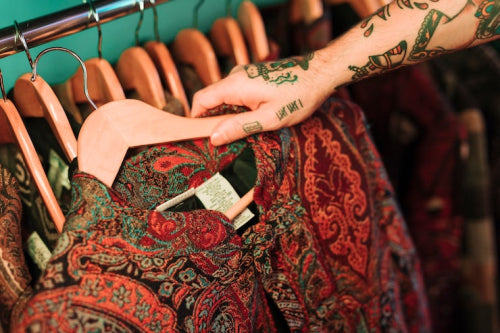
In an era where fast fashion often overshadows tradition, a growing number of discerning buyers in India, the US, Singapore, Australia, the UK, and the UAE are turning to artisan-made textiles for something deeper: pieces that carry stories, superior craftsmanship, and lasting value. These handmade creations stand apart not just for their beauty, but for the care woven into every thread. Yet with so many options available, how do brands and consumers alike ensure that quality remains at the heart of the experience?
As explored in Navigating Quality Standards in Artisan-Made Textiles, forward-thinking brands are raising the bar through thoughtful practices that preserve authenticity while building unshakeable consumer trust in a competitive global landscape.
Fast fashion erodes cultural heritage, sidelining artisans and reducing traditions to trends. At IndieHaat, we champion India's craftspeople with handcrafted sarees, apparel, décor, and skincare rooted in authenticity. Each piece embodies skill and ethical care. Support artisans and preserve India's timeless legacy Shop Now!
The Growing Appeal of Artisan-Made Textiles
Across bustling urban homes in Mumbai, Delhi, and Bengaluru, as well as sleek apartments in New York or Sydney, the desire for genuine handmade goods continues to rise. In India, the heartland of this rich craftsmanship, the handicrafts market size reached ₹38,200 crore in 2024. This expansion reflects rising disposable incomes, growing demand for ethnic and handmade décor, expansion of e-commerce platforms, government support through export promotion schemes, increasing tourism, and a global shift toward sustainable and eco-friendly products.
Beyond the figures, this surge speaks to a deeper consumer shift. People want items that feel personal and responsible. They seek textiles that connect them to skilled hands rather than impersonal factories. For brands serving these diverse markets, meeting that expectation starts with clear, consistent quality standards that honour tradition while delivering modern reliability.
Defining Quality Standards in Artisan Textiles
Quality in artisan-made textiles is never accidental. It begins with meticulous attention at every stage from selecting raw materials to the final finishing touches. Unlike machine-produced fabrics, handmade pieces require artisans to maintain uniformity in weave, colour fastness, and structural integrity despite working by hand. Leading brands establish rigorous internal protocols, including multiple inspection points, to catch inconsistencies before they reach the customer.
These standards also encompass ethical dimensions. Ensuring fair compensation for artisans, safe working conditions, and environmentally conscious processes forms part of the quality equation today. The result is not only beautiful textiles but also products buyers can feel good about supporting, knowing their purchase sustains living traditions across India and beyond.
Direct Sourcing from Artisans: The Foundation of Authenticity
One of the most powerful ways to uphold quality lies in direct sourcing from artisans. By partnering straight with makers, brands eliminate intermediaries that can dilute standards or obscure origins. This approach guarantees that each item is truly handmade, resulting in unique designs impossible to mass-replicate. Every piece carries the distinct touch of its creator, from subtle variations in pattern to the natural irregularities that add character.
Direct relationships also foster ongoing collaboration. Artisans receive feedback on market preferences while brands gain deeper insight into traditional techniques. For customers in Singapore or the UAE seeking something special for their homes, or those in Australia and the UK looking for distinctive apparel, this traceability builds confidence that their purchase supports real people preserving living crafts. In India, this model aligns perfectly with the nation's handloom heritage, ensuring every textile tells an authentic story.
Commitment to Pure, Authentic Fabrics
At the core of exceptional artisan textiles sits the choice of materials. Restricting offerings to only the finest linen, silk, and cotton ensures breathability, durability, and a luxurious feel that improves with time. These natural fibres respond beautifully to traditional dyeing and weaving methods, producing fabrics that drape elegantly and age with grace rather than wear out quickly.
Linen brings crisp texture and natural cooling properties ideal for warmer climates across India and Singapore. Silk offers lustrous drape and temperature regulation suited to both festive occasions like Diwali and everyday elegance. Cotton delivers softness and versatility loved by families in the US, UK, and Australia. By focusing exclusively on these pure options, brands avoid synthetic blends that compromise both comfort and longevity, delivering items customers cherish for years while celebrating India's legacy of pure fabric craftsmanship.
Addressing Common Buyer Concerns Head-On
Even the most beautiful textiles face practical hurdles in the minds of potential buyers. Concerns around higher pricing, trust deficit, and the inability to touch and feel products before purchase often arise. Savvy brands tackle these directly through transparency and value-driven storytelling rooted in their unique differentiators.
Premium pricing reflects the hours of skilled labour, premium materials, and ethical practices involved not an arbitrary markup. Each piece represents an investment in craftsmanship that outlasts cheaper alternatives, especially when sourced directly from artisans with unique designs that cannot be found elsewhere. To overcome trust deficit, brands share behind-the-scenes glimpses of the artisan process, allowing customers to see the care invested firsthand.
The “touch and feel” gap closes through rich visual content high-resolution photos from multiple angles, close-ups of weave and texture, and detailed descriptions of fabric hand-feel. Many offer swatch options or comprehensive return policies, giving buyers peace of mind regardless of whether they shop from Delhi or Dubai. Platforms like Instagram, Facebook, and YouTube become windows into workshops, showing looms in action and hands at work, further building confidence in authentic and pure fabrics.
Leveraging Social Media for Transparency and Engagement
In today's connected world, social media plays a vital role in demonstrating quality standards. Through Instagram, Facebook, and YouTube, brands bring customers into the journey from raw fibre selection to finished product. Short videos of artisans explaining their techniques or time-lapses of intricate weaving create emotional connections that static images alone cannot achieve.
These platforms also invite interaction. Customers from across target regions can ask questions directly, see real customer photos in everyday settings, and witness how pieces integrate into different lifestyles and interiors. This ongoing dialogue reinforces authenticity and helps overcome initial hesitation, turning interested browsers into confident buyers who appreciate the full story behind their textiles whether it's a unique handwoven linen kurta for an Indian festival or a silk accent for a modern home abroad.
Practical Tips for Consumers Seeking Quality Artisan Textiles
Navigating the market becomes easier when buyers know what to look for. Start by examining product descriptions for specifics on fabric composition pure linen, silk, or cotton should be clearly stated without vague terms. Look for mentions of direct artisan sourcing and unique design elements that set the piece apart.
- Review available visuals closely: multiple angles, texture close-ups, and lifestyle shots reveal true quality and how the textile drapes or wears in real settings.
- Seek brands that share artisan stories or process details, as this transparency signals commitment to standards and helps address any trust concerns.
- Consider care instructions and durability claims; well-made natural fibre pieces come with guidance that helps them last longer through repeated washes and use.
- Engage with the brand's social channels to gauge responsiveness and community feedback from buyers in your region, from Indian metros to international cities.
These steps empower informed choices that align with both aesthetic preferences and values around sustainability and craftsmanship, ensuring your investment in artisan-made textiles delivers lasting satisfaction.
The Path Forward: Sustaining Excellence in Artisan Craft
As global appreciation for handmade textiles grows, the brands that thrive will be those that treat quality standards as a living commitment rather than a checklist. By maintaining direct artisan relationships, championing pure natural fibres, and embracing transparent communication, they bridge traditional knowledge with contemporary expectations across India and key international markets.
Consumers, too, play an essential part. Every thoughtful purchase supports the continuation of skills passed through generations while enriching personal spaces with items of genuine character. Whether selecting a luxurious linen throw for a Singapore balcony, a silk accent for a London living room, or cotton staples for daily wear in India or the US, the focus remains the same: excellence that honours both maker and wearer.
In the end, navigating quality standards in artisan-made textiles is about more than inspection points and material specs. It is about preserving a heritage of skill, fostering trust across borders, and celebrating the human touch that no machine can replicate. When brands and buyers align on these principles, the result is timeless pieces that continue to delight long after the initial purchase pieces that feel as special as the hands that created them.
Frequently Asked Questions
How can I verify the quality of artisan-made textiles when shopping online?
Look for brands that clearly state fabric composition (pure linen, silk, or cotton) and provide high-resolution photos from multiple angles, including close-ups of weave and texture. Seek out brands that share artisan stories, direct sourcing details, and behind-the-scenes content on social media these are strong indicators of genuine quality standards. Checking for comprehensive return policies and reading community feedback from verified buyers also helps build confidence before purchasing.
Why are handmade artisan textiles more expensive than mass-produced fabrics?
The higher price of artisan-made textiles reflects the hours of skilled labour, premium natural materials (such as pure silk, linen, or cotton), and ethical practices like fair artisan compensation and safe working conditions. Unlike factory-made alternatives, each handmade piece is unique and cannot be mass-replicated, making it a long-term investment that outlasts cheaper options. The cost also supports the preservation of traditional craft techniques passed down through generations.
What fabrics are considered best quality in artisan-made Indian textiles?
The finest artisan textiles typically use pure natural fibres linen, silk, and cotton each offering distinct benefits in terms of breathability, durability, and feel. Linen is prized for its cooling properties ideal for warmer climates, silk for its lustrous drape and temperature regulation, and cotton for its softness and everyday versatility. These natural fibres respond exceptionally well to traditional dyeing and weaving methods, aging gracefully rather than degrading quickly like synthetic blends.
Disclaimer: The above helpful resources content contains personal opinions and experiences. The information provided is for general knowledge and does not constitute professional advice.
You may also be interested in: From Indus Valley to the Ajanta Caves: Tracing the Journey of Bandhani
Fast fashion erodes cultural heritage, sidelining artisans and reducing traditions to trends. At IndieHaat, we champion India's craftspeople with handcrafted sarees, apparel, décor, and skincare rooted in authenticity. Each piece embodies skill and ethical care. Support artisans and preserve India's timeless legacy Shop Now!
Powered by flareAI.co