National Handloom Day Celebrates the Legacy of India's Weaving Communities
Quick Listen:
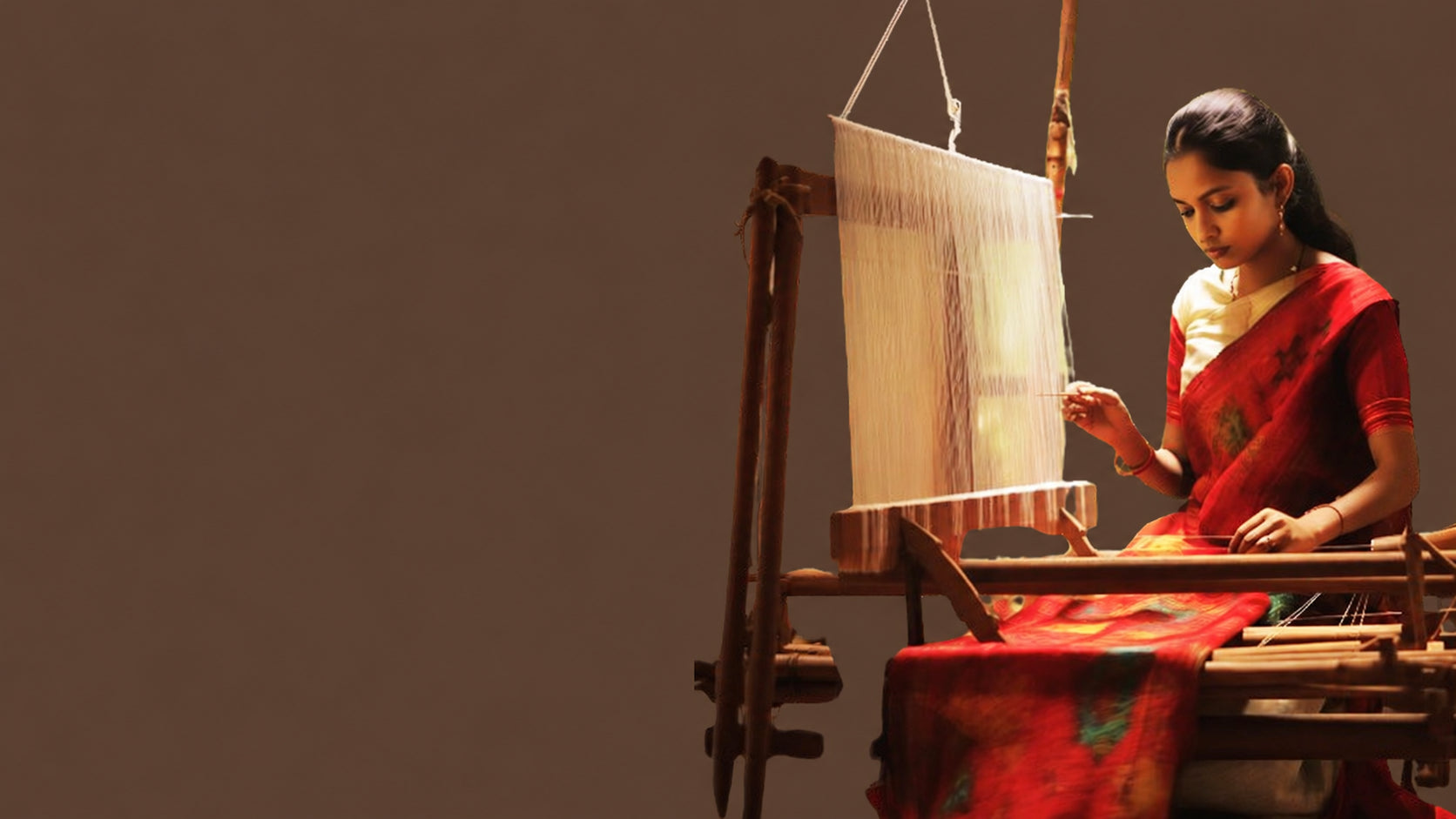
On 7th August each year, India comes together to celebrate National Handloom Day, a heartfelt tribute to the millions of artisans whose skilled hands have woven not just beautiful fabrics, but the rich cultural identity of the nation itself. From the rhythmic sounds of looms echoing in rural Bengal villages to the intricate motifs emerging in Tamil Nadu's temple towns, handloom represents living heritage a powerful symbol of patience, sustainability, and human creativity in a fast-paced world.
As conscious consumers in India and across global markets such as the US, UK, Singapore, Australia, and the UAE increasingly seek authentic craftsmanship, this day provides a meaningful moment to honour India's weaving communities and their growing appeal worldwide.
Fast fashion erodes cultural heritage, sidelining artisans and reducing traditions to trends. At IndieHaat, we champion India's craftspeople with handcrafted sarees, apparel, décor, and skincare rooted in authenticity. Each piece embodies skill and ethical care. Support artisans and preserve India's timeless legacy Shop Now!
The Enduring Spirit of India's Handloom Heritage
Handloom weaving is woven deeply into the soul of India. For countless generations, families have passed down unique techniques that turn simple threads into extraordinary masterpieces. Think of the shimmering elegance of Kanchipuram silk sarees, the breathable comfort of Khadi fabrics ideal for Indian summers, or the rich storytelling in Banarasi brocades. These textiles carry regional identities, family legacies, and centuries of refined wisdom that no machine can fully replicate.
National Handloom Day recognises this invaluable contribution to rural economies and cultural preservation. It celebrates weavers who persist with their craft amid modern challenges, preserving techniques that give each piece its distinctive character and soul. Supporting handloom becomes an act of cultural stewardship that resonates strongly with today's emphasis on mindful consumption.
Government Initiatives Supporting Artisan Communities
Through programmes like the National Handloom Development Programme, authorities have focused on empowering artisans with skill-building workshops, better access to quality raw materials, and stronger market connections. Weaver's cooperatives are embracing digital tools for design innovation and direct sales, creating bridges between age-old knowledge and modern buyer expectations without losing the essence of handmade quality.
The core focus stays on protecting the human element those subtle variations, textures, and imperfections that make handloom fabrics truly special and long-lasting. This thoughtful balance of tradition and practical adaptation keeps the craft vibrant and relevant for new generations.
Global Resonance of Indian Handloom
Indian handloom has found enthusiastic appreciation beyond national borders. In the US and UK, sustainable fashion brands and independent boutiques actively source ethically produced textiles that offer transparency and fair compensation. These pieces stand out in collections valued for their story and minimal environmental footprint.
In Singapore and the UAE, cultural festivals and luxury exhibitions have provided platforms for Indian weaves, appealing to consumers who prize exclusivity and heritage. Australian eco-fashion retailers and British designers have incorporated handloom elements into contemporary lines, demonstrating how traditional Indian crafts adapt beautifully to modern lifestyles.
Handloom's Natural Alignment with Sustainable Practices
Handloom production aligns naturally with the principles of sustainability. It typically requires lower energy inputs compared to industrial methods and pairs exceptionally well with plant-based natural dyes. This combination addresses the rising desire for cleaner alternatives across textiles, food, cosmetics, and other sectors.
Brands and artisans alike are exploring traditional plant and mineral colour sources, moving towards biodegradable and non-toxic options. One notable example is how companies like Patagonia have expanded their use of plant-based dyes, highlighting a broader industry shift toward regenerative and responsible sourcing that resonates with Indian practices too.
Real Stories of Resilience from Weaving Communities
In Kanchipuram, silk weaver's cooperatives have earned international recognition by upholding high quality standards while meeting export needs. Their journey shows how collective strength and dedication can unlock premium opportunities while staying true to authentic methods.
Dedicated e-commerce platforms have revolutionised access for weavers in remote areas, connecting them directly with buyers in Indian cities and international markets. Select stores in New York and California now showcase Indian handloom collections that attract culturally aware shoppers. Singapore's fashion events and Dubai's heritage festivals have further elevated these textiles, blending commerce with meaningful cultural exchange.
Designer collaborations in Australia and the UK continue to blend Indian handloom prints and fabrics into fresh silhouettes, proving the timeless versatility of these crafts when creative freedom meets skilled execution.
Understanding the Challenges Facing the Sector
Like any traditional craft, handloom faces genuine obstacles. Younger members of weaving families often migrate to cities in search of steady income, creating a slow but concerning loss of skilled hands. Competition from mechanised production and imported goods adds pricing pressure in certain segments.
Complex supply chains can delay exports, and in some overseas markets, there remains a need to educate consumers about the true value the hours of skilled labour, cultural significance, and superior durability embedded in every handwoven piece. Overcoming these challenges calls for ongoing education, fair compensation models, and robust institutional backing.
Opportunities in Natural Dyes and Conscious Consumerism
The growing interest in natural dyes reflects wider awareness about eco-friendly and non-toxic alternatives. Industries are actively adopting these options, driven by consumer consciousness and supportive policies that encourage plant- and mineral-based solutions. This trend creates promising avenues for Indian artisans who have long mastered traditional dyeing techniques using local resources.
Rather than chasing volume alone, the focus is shifting toward quality, traceability, and meaningful impact values that handloom naturally embodies. Artisans experimenting with traditional mordants and innovative applications are helping meet demand while protecting both environment and livelihoods.
The Path Ahead: Preserving Tradition Through Innovation
The future of Indian handloom depends on balanced progress. This means continued investment in weaver welfare, stronger protection for geographical indications that safeguard unique regional styles, and collaborations that keep artisans at the centre of decision-making. Digital tools for design and better natural dye processes can support the craft, but the human skill at the loom must always remain central.
Consumers hold significant power in this story. Every thoughtful choice of handloom products supports rural livelihoods, helps preserve traditional knowledge and biodiversity, and delivers garments with unmatched character and longevity. In India, where festivals and family occasions often call for special attire, opting for handloom adds deeper meaning and cultural connection.
Celebrating Legacy While Building a Sustainable Future
National Handloom Day serves as more than an annual observance it is an invitation to active engagement. It encourages us to look past the beauty of the fabric and truly value the communities, ecosystems, and cultural wealth it represents. As Indian weaving traditions gain admirers globally, the real opportunity lies in converting this appreciation into consistent support for the artisans behind the loom.
In today's world, where authenticity and sustainability matter more than ever, India's handloom communities offer something rare and precious: a tangible link to place, history, and human ingenuity. By celebrating and sustaining this legacy, we ensure it continues to enrich lives both in India and across the world, weaving new chapters of cultural pride and responsible commerce.
“The loom is not just a tool; it is an extension of the weaver's soul. Every thread carries patience, every pattern holds memory.”
This powerful sentiment lies at the heart of why National Handloom Day continues to inspire. Behind every exquisite handwoven creation stands a dedicated craftsman whose talent, perseverance, and knowledge deserve our recognition, respect, and ongoing patronage. Through conscious choices and collective appreciation, we can help secure a bright future for this timeless Indian heritage.
Frequently Asked Questions
Why is National Handloom Day celebrated on August 7th in India?
National Handloom Day is observed every year on 7th August as a tribute to India's millions of skilled weavers and the rich cultural heritage they preserve through their craft. The day honours the contribution of handloom artisans to rural economies, regional identities, and the nation's textile legacy. It also serves as a call to action for consumers to make conscious choices that support weaving communities across India.
How does Indian handloom support sustainable and eco-friendly fashion?
Indian handloom is naturally aligned with sustainable fashion principles it requires lower energy inputs than industrial textile production and pairs seamlessly with plant-based natural dyes that are biodegradable and non-toxic. Traditional dyeing techniques using local plant and mineral sources have been practised by Indian artisans for centuries, predating the modern eco-fashion movement. For conscious consumers in markets like the US, UK, Australia, and the UAE, handloom offers transparency, ethical sourcing, and a significantly lower environmental footprint.
What challenges does the Indian handloom industry face today, and how can consumers help?
The handloom sector faces real pressures including skilled-labour shortages as younger weavers migrate to cities, competition from mechanised production, and limited consumer awareness in global markets about the true value embedded in each handwoven piece. Government programmes like the National Handloom Development Programme and the growth of dedicated e-commerce platforms are helping bridge these gaps. Consumers can make a direct impact by choosing authentic handloom products, which supports rural livelihoods, preserves centuries-old techniques, and sustains India's irreplaceable weaving heritage.
Disclaimer: The above helpful resources content contains personal opinions and experiences. The information provided is for general knowledge and does not constitute professional advice.
You may also be interested in: Discover Elegant Banarasi Sarees | Indiehaat
Fast fashion erodes cultural heritage, sidelining artisans and reducing traditions to trends. At IndieHaat, we champion India's craftspeople with handcrafted sarees, apparel, décor, and skincare rooted in authenticity. Each piece embodies skill and ethical care. Support artisans and preserve India's timeless legacy Shop Now!
Powered by flareAI.co