Master Weaver Recognition Programs and Their Impact
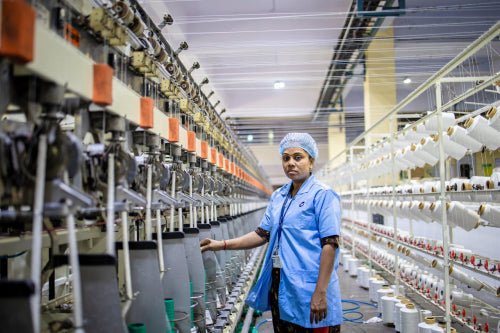
In the intricate world of Indian textiles, where every thread carries generations of skill and stories, a quiet revolution is unfolding. Master weavers those custodians of ancient techniques passed down through families are finally stepping into the spotlight through dedicated recognition programs. These initiatives honour craft while reshaping livelihoods, preserving heritage, and redefining how conscious consumers engage with fashion. At platforms like indiehaat.com, such programs highlight the profound impact of connecting directly with these artisans, offering unique designs in authentic linen, silk, and cotton fabrics sourced straight from the loom.
Fast fashion erodes cultural heritage, sidelining artisans and reducing traditions to trends. At IndieHaat, we champion India's craftspeople with handcrafted sarees, apparel, décor, and skincare rooted in authenticity. Each piece embodies skill and ethical care. Support artisans and preserve India's timeless legacy Shop Now!
The Enduring Legacy of India's Master Weavers
India's weaving traditions stretch back thousands of years, from the delicate Banarasi silks and intricate Kanjeevaram sarees to the sturdy handloom cottons of rural Tamil Nadu and the vibrant linens of West Bengal. Master weavers form the backbone of this rich ecosystem. They do more than produce fabric they embody cultural memory, adapting timeless patterns to modern tastes while preserving the purity of natural fibres.
Recognition programs celebrate these experts by documenting their techniques, providing platforms for their creations, and ensuring fair compensation. Unlike mass-produced garments, each piece tells a unique story, with the distinct rhythm of the handloom visible in every weave. For customers across India and the diaspora in the US, UK, Singapore, Australia, and UAE, this authenticity creates an emotional connection that fast fashion cannot match.
How Recognition Programs Empower Artisans
Recognition goes far beyond certificates and awards. Effective programs provide skill enhancement workshops, access to premium markets, and better tools for documenting processes. Artisans gain valuable visibility through digital showcases on Instagram, Facebook, and YouTube, reaching global audiences who crave genuine craftsmanship.
Direct sourcing models, like those championed by indiehaat.com, eliminate multiple middlemen. This results in higher earnings for weavers and greater transparency for buyers. Customers following Instagram profiles of passionate wearers sharing their linen kurtas or silk staples witness real impact: families sustaining traditions while adapting to contemporary economic needs.
Addressing Common Concerns in Artisan Fashion
Many hesitate when choosing handmade clothing due to a perceived trust deficit. How can one be certain the fabric is truly pure linen, silk, or cotton? Recognition programs address this effectively by tracing each piece back to the master weaver. Detailed provenance stories, often accompanied by videos of the weaving process, build strong confidence.
Another frequent objection is the lack of opportunity to touch and feel the product before purchase. Indiehaat bridges this gap through rich visual storytelling and authentic customer testimonials. The unique designs and premium hand-feel of these fabrics known for their breathability and elegant drape often convert skeptics into loyal admirers once they experience the superior quality.
Economic and Cultural Impact on Communities
When master weavers receive recognition and support, entire villages thrive. Women weavers gain financial independence, younger generations recognise the value in learning the craft, and local economies grow stronger. These programs help reverse migration trends that once threatened to erode traditional skills.
In today's fashion landscape, where consumers actively seek ethical alternatives, supporting recognised weavers aligns personal style with meaningful impact. Brands investing in such initiatives foster deep loyalty among discerning buyers who view sustainability as a lived practice rather than a mere trend.
The Growing Importance of Transparency
Transparency has become essential in apparel. Leading brands are placing greater emphasis on sustainable practices and traceable sourcing, offering customers clear visibility into origins, production methods, and the skilled hands behind every garment. Platforms that prioritise direct artisan connections exemplify this positive shift in the industry.
Similarly, the rising focus on sustainable supply chain transparency reflects growing consumer demand for accountability in ethical sourcing and labour practices. Recognition programs for master weavers naturally embody these principles, creating verifiable links from loom to wardrobe that strengthen trust at every step.
Overcoming Pricing Concerns Through Lasting Value
Handmade pieces often come with higher price tags, prompting questions about value. Yet when one considers the hours of skilled labour, the use of premium natural fabrics, and the uniqueness of each item, the investment becomes evident. Recognition programs elevate this value by ensuring weavers receive their fair share while delivering exceptional quality that outlasts conventional alternatives.
Buyers in India and key international markets appreciate garments that move effortlessly from everyday wear to festive occasions. Timeless designs in breathable linen and soft cotton prove their worth season after season, making them wardrobe staples rather than one-time purchases.
Real Stories from the Loom
Consider weavers whose families have perfected ikat, jamdani, or kalamkari techniques over generations. Through recognition initiatives, their innovations blending traditional motifs with contemporary silhouettes reach new audiences. Social media channels amplify these narratives, transforming customers into passionate advocates who proudly share their purchases on Instagram and YouTube.
Future Directions for Artisan Recognition
Looking ahead, these programs are poised to expand through thoughtful technology integration such as digital certifications and enhanced storytelling tools while remaining firmly rooted in human connection. For indiehaat.com and like-minded ventures, the core focus stays on pure fabrics, unique designs, and direct partnerships with artisans.
Consumers hold significant power by choosing consciously. Every purchase supporting a master weaver helps sustain a living cultural treasure and promotes higher ethical standards across the fashion industry.
Why Master Weaver Recognition Matters Today
In an era of fleeting trends, master weaver recognition programs remind us of fashion's deeper purpose: fostering connection, honouring heritage, and showing respect for human creativity. They transform ordinary buying decisions into meaningful acts of cultural preservation and economic empowerment.
Whether drawn to the crisp elegance of linen, the luxurious drape of silk, or the everyday comfort of cotton, supporting these programs ensures these treasured traditions continue to flourish. The positive impact spreads outward from empowered artisan communities to satisfied customers who wear their values with quiet confidence.
The next time you seek something truly special for your wardrobe, look beyond the surface to the stories woven into every stitch. By recognising and celebrating master weavers, we honour India's rich past while helping craft a more sustainable, authentic, and meaningful future for fashion.
Frequently Asked Questions
What are master weaver recognition programs and how do they benefit Indian artisans?
Master weaver recognition programs are initiatives that honor skilled textile artisans by documenting their techniques, providing access to premium markets, and ensuring fair compensation. They go beyond certificates to include skill enhancement workshops, digital showcases, and direct sourcing models that eliminate middlemen resulting in higher earnings for weavers. These programs also strengthen entire communities by supporting financial independence, encouraging younger generations to learn the craft, and reversing migration trends that threaten traditional skills.
How can I trust the authenticity of handloom fabrics like linen, silk, and cotton when buying online?
Reputable platforms address authenticity concerns by tracing each piece back to its master weaver through detailed provenance stories and videos of the weaving process. Recognition programs create verifiable links from loom to wardrobe, giving buyers clear visibility into origins, production methods, and the artisan behind each garment. Rich visual storytelling and genuine customer testimonials further build confidence, especially for shoppers who cannot physically touch the fabric before purchasing.
Are handmade artisan garments worth the higher price compared to mass-produced clothing?
Yes when you factor in the hours of skilled labor, the use of premium natural fabrics, and the uniqueness of each handcrafted piece, the investment in artisan clothing offers lasting value that fast fashion cannot match. Handloom garments in breathable linen, soft cotton, and luxurious silk are designed to transition effortlessly from everyday wear to festive occasions, making them versatile wardrobe staples season after season. Supporting recognized master weavers also means your purchase contributes directly to cultural preservation and ethical fashion practices.
Disclaimer: The above helpful resources content contains personal opinions and experiences. The information provided is for general knowledge and does not constitute professional advice.
You may also be interested in: The Perfect Fabric for Every Occasion: A Guide to Women's Clothing Fabrics
Fast fashion erodes cultural heritage, sidelining artisans and reducing traditions to trends. At IndieHaat, we champion India's craftspeople with handcrafted sarees, apparel, décor, and skincare rooted in authenticity. Each piece embodies skill and ethical care. Support artisans and preserve India's timeless legacy Shop Now!
Powered by flareAI.co