Linen Emerges as Leading Sustainable Fabric for Ethnic Wear
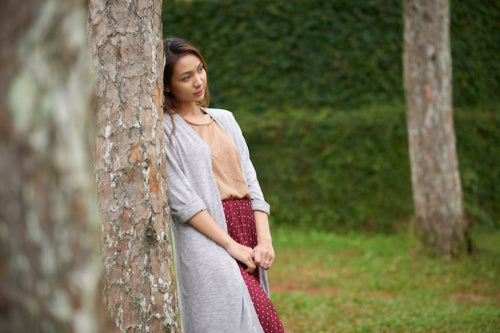
In a world where environmental awareness shapes consumer choices, linen has steadily risen as a premier sustainable fabric, particularly for ethnic wear. Long linked to simple summer attire or classic household linens, this natural fiber now brings exceptional breathability, lasting durability, and genuine eco-credentials to kurtas, sarees, and contemporary fusion pieces qualities that resonate strongly with today's thoughtful shoppers.
Fast fashion erodes cultural heritage, sidelining artisans and reducing traditions to trends. At IndieHaat, we champion India's craftspeople with handcrafted sarees, apparel, décor, and skincare rooted in authenticity. Each piece embodies skill and ethical care. Support artisans and preserve India's timeless legacy Shop Now!
The Timeless Appeal of Linen in Ethnic Fashion
Derived from the flax plant, linen carries a deep heritage that mirrors the rich cultural traditions it enhances today. Its distinctive natural texture and gentle luster lend understated sophistication to traditional garments. The fabric's open weave promotes airflow, making it especially suited to India's varied climates, whether in humid southern regions or the arid northern plains.
Linen notably improves with time and use. Each wash softens the material, creating a comfortable, character-filled drape that feels personal and lived-in. Designers now skillfully combine age-old motifs with linen's natural flow, producing ethnic wear that respects heritage while meeting modern expectations for ease and style.
Why Linen Excels as a Sustainable Choice
Linen stands out for its minimal environmental footprint. Flax cultivation typically demands far less water and fewer pesticides than many other fiber crops, thriving in diverse soil conditions without exhausting natural resources. Almost every part of the plant finds purpose after harvest, greatly reducing waste, and the resulting fabric biodegrades completely at the end of its extended lifespan.
Compared with fast-fashion synthetics, linen pieces often endure for years, encouraging a more deliberate approach to wardrobe building. This longevity supports mindful consumption patterns that many consumers now actively seek.
Linen's Place in the Expanding Handicrafts Landscape
The global handicrafts sector, encompassing textiles and artisanal fabrics, grows steadily as buyers pursue distinctive, handcrafted items with authentic cultural stories. Rising appreciation for sustainable and locally sourced goods has heightened demand for ethnic wear that connects wearers to skilled craftsmanship.
Linen integrates naturally into this movement, harmonizing with traditional handloom methods and plant-based dyeing techniques. While the handicrafts market reflects strong interest in unique artisanal products and sustainable options, the most meaningful change occurs through individual purchasing decisions that value both environmental care and the livelihoods of artisans.
Superior Breathability and Everyday Comfort
Linen's hollow fiber structure actively draws moisture away from the body and encourages circulation, delivering reliable cooling even during intense heat. This thermoregulating quality makes it an outstanding base for ethnic wear favorites such as anarkali silhouettes, palazzo sets, and flowing kurtas ensuring comfort from morning to evening without compromising elegance.
Those who adopt linen frequently describe a noticeable sense of lightness and ease, particularly during extended gatherings or travel. The fiber's inherent antimicrobial traits further help garments remain fresh, offering a practical advantage in warm-weather wardrobes.
Creative Ways to Style Linen Ethnic Wear
- Combine a fine linen kurta with complementary cotton separates for an effortlessly balanced, airy ensemble.
- Select naturally dyed linen sarees featuring hand-block prints or delicate embroidery for festive occasions.
- Add a lightweight linen jacket or shrug over richer textures for fusion events that blend tradition with modern ease.
- Explore linen-cotton blends that deliver enhanced softness alongside improved structure and drape.
Such pairings enable individuals to celebrate cultural roots while committing to more responsible fashion practices.
Empowering Artisans and Safeguarding Traditions
When linen pairs with handloom weaving, the outcome transcends mere clothing. It forms a living link between generations, allowing artisans to adapt ancestral skills to current tastes and secure the survival of time-honored techniques. Choosing linen ethnic wear frequently channels support directly to rural communities where these crafts remain vital.
This human element infuses each piece with deeper meaning. From the initial processing of flax to the final hand-finishing, garments bear the imprint of dedicated hands qualities that distinguish them from purely industrial alternatives.
Overcoming Common Hesitations About Linen
Many initially pause at linen's natural tendency to crease, yet a growing number now embrace these wrinkles as evidence of authentic, plant-based character rather than a shortcoming. Contemporary treatments and thoughtful blends have also minimized wrinkling while retaining the fabric's core strengths.
Care routines remain straightforward: gentle laundering, air drying, and occasional light pressing help maintain appearance over many seasons. The fabric's proven durability more than offsets any modest extra attention it requires.
Linen Within the Movement Toward Conscious Fashion
Amid rising global enthusiasm for sustainable and distinctive handmade goods, linen ethnic wear exemplifies a harmonious blend of cultural tradition, physical comfort, and environmental responsibility. It particularly attracts those who prize genuine craftsmanship and aim to lighten their ecological impact without sacrificing beauty or identity.
Cultural explorers and travelers often encounter linen creations during their journeys, returning with wearable mementos that embody artisanal legacies. In daily life, these garments quietly promote slower fashion rhythms that respect both communities and the natural world.
A Promising Path Forward for Sustainable Textiles
Linen's evolution from ancient origins to a cornerstone of contemporary ethnic wardrobes demonstrates how enduring natural materials can effectively address present-day needs. Its resource-light production, outstanding comfort properties, and affinity with traditional crafts establish it as a frontrunner among eco-friendly fabric options.
For anyone seeking ethnic wear guided by conscience, linen presents a persuasive solution one that delivers sensory pleasure, visual refinement, and tangible contributions to a healthier textile ecosystem. As designers and consumers continue to discover its virtues, this versatile flax-based fabric reaffirms that true elegance and ethical values can thrive together in every carefully crafted thread.
Frequently Asked Questions
Why has linen become a leading sustainable fabric for ethnic wear?
Linen, derived from the flax plant, has a minimal environmental footprint it requires far less water and pesticides than most fiber crops, thrives in varied soils, and biodegrades completely after a long lifespan. Unlike fast-fashion synthetics, linen garments endure for years, encouraging mindful consumption and reducing waste. This makes it an ideal sustainable choice for kurtas, sarees, and fusion ethnic wear that aligns with today's eco-conscious shoppers.
What makes linen ethnic wear so comfortable and breathable for India's climate?
Linen's open weave and hollow fiber structure actively draw moisture away from the body, delivering reliable cooling and thermoregulation even in humid or hot conditions. It softens with each wash, creating a lived-in drape that feels lightweight and personal perfect for anarkalis, palazzo sets, and flowing kurtas. Its natural antimicrobial properties also keep garments fresh longer, making linen ethnic wear a practical and elegant everyday option.
How do you care for linen ethnic wear and deal with wrinkling?
Linen naturally creases, but many now view the wrinkles as charming evidence of its authentic, plant-based character rather than a flaw. Simple care gentle laundering, air drying, and occasional light pressing keeps it looking great season after season. Modern blends and treatments have also reduced wrinkling while preserving linen's breathability, durability, and eco-benefits for long-lasting ethnic wear.
Disclaimer: The above helpful resources content contains personal opinions and experiences. The information provided is for general knowledge and does not constitute professional advice.
You may also be interested in: Sustainable Ethnic Fashion in 2026: Fabrics Every Woman Should
Fast fashion erodes cultural heritage, sidelining artisans and reducing traditions to trends. At IndieHaat, we champion India's craftspeople with handcrafted sarees, apparel, décor, and skincare rooted in authenticity. Each piece embodies skill and ethical care. Support artisans and preserve India's timeless legacy Shop Now!
Powered by flareAI.co