IndieHaat Connects Buyers with Artisans for Unique Creations
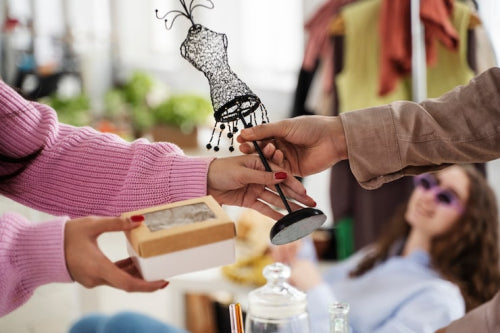
Amid the clamor of fast fashion and mass-produced trinkets flooding global markets, a quiet revolution is unfolding in Bangalore. Here, IndieHaat, a curated e-commerce platform, is breathing new life into India's centuries-old artisanal traditions. By connecting skilled artisans with discerning buyers, IndieHaat offers a digital marketplace where handwoven sarees, intricately crafted home décor, and ethically made skincare tell stories of heritage and human hands. In a world craving authenticity, this platform is not just selling products it's preserving a cultural legacy while empowering communities.
The global handicrafts market, valued at USD 739.95 billion in 2024, is projected to reach USD 983.12 billion by 2030, growing at a compound annual growth rate (CAGR) of 4.9%. This surge is driven by a rising consumer appetite for unique, handmade goods that prioritize craftsmanship over industrial uniformity. IndieHaat, based in Bangalore, taps into this demand by curating high-quality, ethically produced items like Tussar sarees, linen dress materials, and artisanal skincare. Each product undergoes a meticulous selection process to ensure authenticity and cultural resonance, setting the platform apart from mass-market giants.
India's artisanal heritage think Kanchipuram silks or Odisha's tribal textiles has long been celebrated but often struggled to reach global audiences. IndieHaat bridges this gap, targeting buyers in India, the US, Singapore, Australia, the UK, and the UAE through platforms like Amazon and ONDC. By focusing on authentic fabrics like silk, linen, and cotton, the brand appeals to those who value sustainability and tradition. Social media, particularly Instagram, Facebook, and YouTube, amplifies these efforts, showcasing artisan stories that resonate with a global audience.
The Surge of Artisan-Centric Platforms
Today's consumers, especially Gen Z and Millennials, are rejecting disposable fashion for products with meaning. The global handicrafts market is expected to soar to USD 2403.60 billion by 2034, with India leading at a CAGR of 14.1% from 2025 to 2034, according to Expert Market Research. Handprinted textiles, a key IndieHaat offering, are projected to grow at a 13.5% CAGR in the same period. This reflects a broader shift toward eco-friendly, culturally significant goods that celebrate individuality.
Why the pivot? Shoppers are increasingly aware of the environmental and social costs of mass production. Handcrafted items, made with sustainable materials and ethical practices, offer a compelling alternative. IndieHaat's curated model ensures that every saree or accessory reflects this ethos, sourced directly from artisans to eliminate exploitative middlemen. By leveraging social commerce and SEO keywords like “sarees” and “Tussar sarees,” the platform reaches buyers who prioritize quality and impact.
IndieHaat's Mission: Empowering Artisans, Enriching Lives
IndieHaat is more than an e-commerce site it's a movement. The platform partners with artisans across India, from rural weavers to tribal collectives, ensuring fair pay and direct market access. Each product listing tells a story: a Kanchipuram weaver's silk saree, a hand-embroidered stole from Rajasthan, or a skincare product crafted with traditional recipes. These narratives resonate with buyers, fostering a connection that transcends transactions.
The platform's rigorous curation process guarantees quality and authenticity, addressing consumer skepticism about online handicraft purchases. By offering transparent sourcing and detailed product descriptions, IndieHaat builds trust, ensuring buyers know exactly where their purchase originates. This model not only empowers artisans economically but also preserves India's rich craft traditions for future generations.
Stories Woven in Thread
Behind every IndieHaat product is a human story. A weaver from Tamil Nadu, whose family has crafted silk sarees for generations, now sees her work worn by customers in Singapore and the UAE. Her intricate designs, blending tradition with modern elegance, have found a global audience through IndieHaat's digital storefront. In Odisha, a tribal collective has gained financial stability by selling hand-embroidered dress materials, their vibrant patterns celebrating cultural heritage.
Buyers feel this impact, too. One customer shared how a linen saree, purchased for its timeless beauty, became a cherished piece knowing it supported a rural artisan community. Another discovered a handwoven stole that funded a women's cooperative, adding emotional weight to a simple accessory. These connections between maker and buyer make IndieHaat a standout in the crowded e-commerce landscape.
Overcoming Barriers in the Handmade Market
The handmade sector isn't without challenges. High pricing, a frequent concern, reflects the time-intensive nature of artisanal work a single saree can take weeks to create. Trust issues also persist, with buyers wary of authenticity in online purchases. The inability to touch or feel products adds another hurdle, particularly for tactile goods like textiles.
IndieHaat addresses these with precision. Transparent artisan profiles and sourcing details build credibility, while high-quality visuals and descriptions bridge the sensory gap. The platform standardizes listings and offers buyer protection to ensure reliability. For artisans unfamiliar with digital tools, IndieHaat provides tech support, helping rural creators navigate e-commerce and expand their reach.
Seizing a Global Opportunity
The global handicrafts market is poised for explosive growth, projected to reach USD 1.94 trillion by 2033 with a CAGR of 8.83% from 2025 to 2033, per Research and Markets. India, with its vast artisanal talent, is at the forefront. IndieHaat is capitalizing on this, expanding into accessories, home décor, and festival fashion while targeting international markets like the US and UK.
Strategic SEO, using terms like “linen sarees” and “handmade dress materials,” boosts discoverability. Social media campaigns on Instagram and YouTube, featuring artisan stories and influencer partnerships, drive engagement. By blending tradition with modern marketing, IndieHaat is positioning itself as a leader in the global handmade economy, proving that cultural crafts can thrive in a digital age.
Handmade: The Future of Fashion and Lifestyle
In an era of fleeting trends, IndieHaat stands as a beacon for what endures. By linking artisans with buyers who value craftsmanship, the platform is preserving India's cultural heritage while building sustainable livelihoods. As the global handicrafts market heads toward USD 983.12 billion by 2030, according to Grand View Research, IndieHaat's curated, ethical approach sets it apart. With plans to onboard more artisans and expand globally, the brand is redefining e-commerce one handcrafted piece at a time. As an artisan from Rajasthan put it, “IndieHaat lets my craft travel the world, carrying my story with it.” That's not just commerce it's a legacy in the making.
Frequently Asked Questions
What is IndieHaat and how does it connect buyers with Indian artisans?
IndieHaat is a curated e-commerce platform based in Bangalore that bridges the gap between skilled Indian artisans and global buyers seeking authentic handcrafted products. The platform specializes in handwoven sarees, artisanal home décor, and ethically made skincare products, ensuring fair pay for artisans while eliminating exploitative middlemen. IndieHaat operates across multiple markets including India, the US, Singapore, Australia, the UK, and UAE through platforms like Amazon and ONDC.
Why are handmade sarees and artisanal products more expensive than mass-produced items?
Handmade sarees and artisanal products command higher prices because they reflect the time-intensive nature of traditional craftsmanship a single saree can take weeks to create by hand. The pricing also ensures fair compensation for skilled artisans who use authentic materials like Tussar silk, linen, and cotton, while maintaining centuries-old techniques. Unlike mass-produced items, each handcrafted piece tells a unique story and supports sustainable practices that preserve India's cultural heritage.
How big is the global handicrafts market and what's driving its growth?
The global handicrafts market was valued at USD 739.95 billion in 2024 and is projected to reach USD 983.12 billion by 2030, growing at a CAGR of 4.9%. India is leading this growth with an impressive 14.1% CAGR from 2025 to 2034. The surge is driven by Gen Z and Millennials rejecting fast fashion for meaningful, sustainable products that prioritize craftsmanship, environmental consciousness, and cultural authenticity over industrial uniformity.
Disclaimer: The above helpful resources content contains personal opinions and experiences. The information provided is for general knowledge and does not constitute professional advice.
You may also be interested in: Traditional Indian Dresses Inspire Modern Fashion at Lakm Fashion
Fast fashion erodes cultural heritage, sidelining artisans and reducing traditions to trends. At IndieHaat, we champion India's craftspeople with handcrafted sarees, apparel, décor, and skincare rooted in authenticity. Each piece embodies skill and ethical care. Support artisans and preserve India's timeless legacy Shop Now!
Powered by flareAI.co