Indian Sarees Online Shopping Platforms Expand with Artisan Partnerships

Quick Listen:
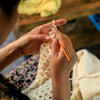
Picture a weaver in a Tamil Nadu village, her hands deftly threading silk into a saree that shimmers with cultural history. Now imagine that saree, crafted with centuries-old techniques, arriving at your doorstep through a few clicks on a digital platform. This fusion of tradition and technology is transforming the Indian saree market, valued at USD 5.76 billion in 2024, with projections to reach USD 10.33 billion by 2033 at a 6.7% CAGR. Platforms like IndieHaat are at the forefront, forging direct partnerships with artisans to deliver authentic, handcrafted sarees to a global clientele. These alliances are not just reshaping e-commerce they're redefining sustainability, craftsmanship, and the very essence of Indian fashion.
The Surge of Artisan-Led Online Retail
A saree is more than fabric; it's a testament to artistry, often taking days to weave on a handloom, as with the intricate Koorai silk saree from Tamil Nadu's Sāliyan community. Historically, such craftsmanship was accessible only through local markets or specialty stores. Today, e-commerce is changing the game, accounting for 5% of India's saree industry, with expectations to grow to 8-10% by 2028. Platforms like IndieHaat, Suta, and FabIndia are driving this shift by sourcing directly from artisans, delivering handwoven sarees to customers across India, the US, Singapore, Australia, the UK, and the UAE.
This growth stems from a rising demand for authenticity and sustainability. Consumers seek pure fabrics silk, cotton, linen and designs rooted in India's regional heritage. IndieHaat, for example, prioritizes eco-friendly materials and unique patterns, aligning with market trends bolstered by government initiatives like GI tags and the Handloom Mark, which certify authenticity and support weaver communities. These factors, combined with the convenience of online shopping, are propelling the Indian ethnic wear market, valued at USD 197.2 billion in 2024, toward USD 558.5 billion by 2033 at a 12.6% CAGR.
IndieHaat's Distinctive Approach
IndieHaat carves a unique niche in a competitive landscape. Unlike mass-market retailers, it collaborates directly with artisans, ensuring each saree is a singular work of art. Its commitment to pure fabrics silk from Varanasi, cotton from Bengal, linen from Kerala distinguishes it from competitors like Jaypore or Koskii, who sometimes incorporate machine-made products. IndieHaat's ethos is clear: empower artisans, preserve traditional techniques, and deliver unmatched authenticity to a global audience.
Consider a weaver in Tangail crafting a Tant saree, a process spanning two to three days. IndieHaat ensures fair compensation and showcases her work to international buyers, bypassing intermediaries. This direct-to-consumer model, while not always cost-reducing, prioritizes quality. FabIndia, with its USD 200 million revenue and 327 stores, faces similar pricing challenges but relies on its established brand. IndieHaat counters with transparency artisan stories, fabric sourcing details addressing the trust gap often cited by online shoppers.
The Competitive Landscape
IndieHaat operates in a vibrant ecosystem. Suta's handwoven sarees gain traction through Instagram, amplified by influencers like those at svishala74. Jaypore curates regional specialties, from Banarasi silk to Odisha ikat, targeting urban connoisseurs. FabIndia, founded in 1960, blends apparel with home décor, its scale unmatched by smaller players like Okhai or Chidiyaa, which focus on tribal and rural artisans. Dressfolk, meanwhile, reimagines traditional weaves with modern flair.
All face common hurdles: premium pricing, trust concerns, and the tactile limitations of online shopping. Suta leverages dynamic social media engagement, FabIndia its physical stores. IndieHaat employs technology high-resolution imagery, AI-driven personalization, and virtual try-ons to simulate the in-store experience. These innovations, paired with artisan partnerships, explain why e-commerce is gaining traction in a sensory-driven industry like sarees.
Overcoming Customer Objections
Handcrafted sarees carry premium price tags, often hundreds of dollars, deterring budget-conscious buyers in markets like the UAE or Australia. IndieHaat emphasizes value: fair artisan wages, sustainable practices, and durable, heirloom-quality products. Yet, pricing remains a barrier, especially against fast-fashion alternatives dominating platforms like Amazon.
The inability to touch fabrics poses another challenge. Online shoppers miss the tactile allure of silk's sheen or linen's crispness. IndieHaat counters with immersive storytelling weaver videos, fabric close-ups and influencer partnerships on Instagram, where a significant portion of its audience engages, including voices like drminimalhotra. Competitors like Koskii deploy virtual showrooms, while Gotitli experiments with augmented reality, narrowing the sensory gap.
Trust is a tougher nut to crack. A 2025 study highlights transparency challenges in India's textile sector, noting that small enterprises struggle to implement circular economy practices due to unclear frameworks. IndieHaat builds credibility with artisan profiles and certifications like the Handloom Mark, but scaling trust in new markets like Singapore requires persistent effort.
Seizing Digital Opportunities
Artisan partnerships are a strategic asset. By empowering weavers, IndieHaat secures a loyal supply chain and exclusive designs, differentiating itself from competitors. These collaborations resonate with younger consumers who value sustainability and cultural narratives. Bollywood's influence and YouTube influencers fuel demand among Gen Z and millennials.
Digital platforms expand IndieHaat's reach across six key regions, tapping into a booming ethnic wear market. Social media is its engine: Instagram for stunning visuals, Facebook for community building, YouTube for saree-draping tutorials. These channels educate and convert curious visitors into loyal buyers. By 2028, e-commerce is projected to capture 10% of saree sales, driven by convenience and variety.
Technology offers further potential. AI-driven recommendations, tailoring sarees to skin tone or occasion, enhance user experience. Virtual try-ons, already adopted by Koskii, could become industry-standard. IndieHaat's direct-to-consumer focus aligns with a growing trend toward brand-owned websites, offering control over customer relationships and margins.
The Road Ahead for Saree Retail
Industry experts are optimistic. IMARC Group analysts foresee sustained 6.7% growth in the saree market, driven by digital adoption. Market researcher Sakshi Suryawanshi, in her analysis of the Asia Pacific Hermes silk sarees market, valued at USD 83.8 million in 2025 and projected to reach USD 199.9 million by 2032 at a 13.2% CAGR, cites cultural pride and sustainability as key drivers. IndieHaat could expand into adjacent categories like home décor or menswear, following FabIndia's playbook.
Challenges pricing, trust, sensory limitations persist, but solutions are emerging. Blockchain could ensure supply chain transparency, augmented reality could simulate touch, and global pop-up events could bring sarees to life. IndieHaat's future lies in marrying heritage with innovation, ensuring every saree carries a story from rural India to urban wardrobes.
Scroll through IndieHaat's Instagram, and you'll see a weaver's hands at work, silk threads weaving a narrative of resilience and artistry. This isn't just commerce it's a movement. A movement where tradition meets technology, where artisans and algorithms create a future that's authentic, sustainable, and unmistakably Indian. The global stage is set, ready to embrace this timeless craft.
Disclaimer: The above helpful resources content contains personal opinions and experiences. The information provided is for general knowledge and does not constitute professional advice.
You may also be interested in: Fast Fashion vs. Slow Fashion: Understanding the Shift Towards
Fast fashion erodes cultural heritage, sidelining artisans and reducing traditions to trends. At IndieHaat, we champion India's craftspeople with handcrafted sarees, apparel, décor, and skincare rooted in authenticity. Each piece embodies skill and ethical care. Support artisans and preserve India's timeless legacy Shop Now!
Powered by flareAI.co