How to Wardrobe-Plan With Handcrafted Pieces
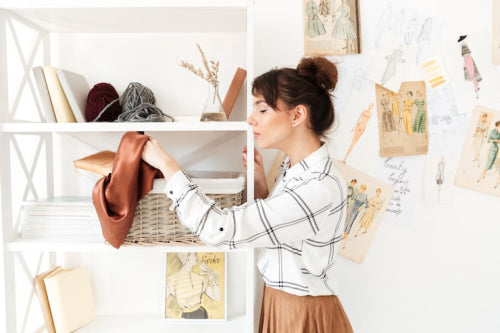
In an age of endless scrolling and fleeting trends, many wardrobes feel abundant yet unsatisfying filled with items that lose shape after a few wears and carry no deeper meaning. A growing number of thoughtful dressers are shifting toward handcrafted pieces that demand intention: garments woven slowly on traditional looms, dyed with natural pigments, and shaped by skilled hands rather than automated lines. This approach to wardrobe planning restores purpose, favoring durability, authenticity, and a quiet connection to the people and traditions behind each thread.
Effective wardrobe planning with handcrafted items begins by redefining essentials. Move beyond disposable fast fashion and prioritize timeless staples made from IndieHaat's signature pure fabrics: breathable linen, luminous silk, and soft cotton. These natural materials sourced directly from Indian artisans offer unmatched comfort, sustainability, and character that synthetic alternatives rarely match.
The appeal of such choices is backed by robust market momentum. The global handloom products market stood at USD 8.32 billion in 2024 and is projected to reach USD 16.62 billion by 2032, expanding at a compound annual growth rate of 9.24%. Asia Pacific commands a dominant 55.77% share as of 2024, propelled by strong consumer interest in sustainable, distinctive, and culturally resonant goods. Similarly, the wider handicrafts sector reached USD 739.95 billion in 2024 and is expected to climb to USD 983.12 billion by 2030 at a 4.9% CAGR, with Asia Pacific holding 34.81% of revenue driven by preference for handmade, eco-conscious products over mass-produced options. In the sustainable fashion arena, projections point to $24.3 billion by 2030 with an impressive 18.6% CAGR from 2024 onward, fueled by heightened awareness of eco-friendly options, supply-chain transparency, and circular practices particularly strong in North America due to regulatory support and purchasing power.
Platforms like IndieHaat bridge artisans and global buyers by offering unique, handcrafted designs in only linen, silk, and cotton. Direct sourcing ensures fair support for weavers while delivering one-of-a-kind pieces subtle weave variations and hand-blocked patterns that machines cannot imitate.
Fast fashion erodes cultural heritage, sidelining artisans and reducing traditions to trends. At IndieHaat, we champion India's craftspeople with handcrafted sarees, apparel, décor, and skincare rooted in authenticity. Each piece embodies skill and ethical care. Support artisans and preserve India's timeless legacy Shop Now!
Build Around Versatile Core Staples for Year-Round Wear
Start with adaptable foundations that adapt across seasons and settings. A pure linen saree or kurta set in understated hues serves as a reliable anchor: drape it traditionally for cultural occasions, layer it over slim trousers for modern ease, or belt it as a tunic. Cotton mulmul suits and ikkat dresses provide effortless daily comfort, their lightweight weave ideal for warm climates or travel.
In India, urban women frequently style these heritage pieces with contemporary silhouettes for professional or casual life. For buyers in the US, UK, and Australia markets where sustainability drives purchasing tussar silk blouses pair beautifully with denim or tailored trousers, adding texture without overwhelming. Silk dupattas lend elegance to neutral wardrobes, offering a subtle nod to craftsmanship.
Singapore's dynamic scene favors block-printed cotton dresses and linen sets that transition smoothly from corporate meetings to social brunches. In the UAE, breathable silks and linens suit both daily wear and festive gatherings, blending opulence with practicality in hot conditions. These choices address common concerns around cost by positioning handcrafted items as long-term investments: one well-made linen ensemble endures far longer than multiple fast-fashion pieces, while directly benefiting artisans.
Adapt to Regional Lifestyles and Climates Without Losing Cohesion
Regional nuances enrich rather than fragment a handcrafted wardrobe. In the US and UK, where eco-awareness and diaspora communities intersect, embroidered silk pieces shine during celebrations yet integrate seamlessly into everyday Western tailoring. North America's leadership in sustainable fashion reflects regulations and consumer priorities that favor transparent, ethical production.
Singapore embraces modern-traditional fusion: lightweight linen kurtas or cotton suits work in air-conditioned offices and humid outdoors alike. Australia's relaxed culture welcomes earthy-toned pure cotton or tussar silk for weekend outings that feel effortlessly refined. The UAE appreciates luxurious yet airy fabrics for both routine and special events, their rich handwoven details evoking heritage with restraint.
Online shopping's tactile limitation fades when sellers provide rich visuals close-up shots of weaves, natural dye processes, and artisan profiles shared across Instagram, Facebook, and YouTube. IndieHaat leverages these channels to foster trust through genuine storytelling, moving beyond polished marketing to real voices from the loom.
Layer Thoughtfully and Expand Gradually for Lasting Depth
Handcrafted wardrobes excel through creative layering. Transform a hand-dyed cotton kurta into a versatile tunic over leggings; repurpose a silk saree as a flowing skirt or elegant shawl. Begin modestly with two or three foundational items, then introduce accents embroidered dupattas, block-printed stoles, or lightweight scarves to build variety without excess.
Celebrate the natural irregularities of handloom work: slight thickness variations or asymmetrical motifs mark true authenticity, lending personality much like patina on cherished objects. Over seasons, this curated approach creates a personal archive each piece tied to memories, climates, and the skilled hands that shaped it.
A Meaningful Wardrobe Rooted in Craft and Connection
Ultimately, wardrobe planning with handcrafted pieces becomes a deliberate practice of mindfulness and responsibility. Every garment extends a lineage of expertise, linking wearer to weaver while minimizing environmental impact through natural materials and ethical production. As global appetite for authentic, sustainable fashion intensifies evident in surging handloom and handicraft markets selecting these items places you within a vital cultural and ecological shift. The result is a closet that may contain fewer garments but brims with greater significance, beauty, and purpose.
Frequently Asked Questions
How do I start building a wardrobe with handcrafted pieces?
Begin by redefining your essentials and investing in versatile core staples made from natural fabrics like linen, silk, and cotton. Start with two or three foundational items such as a pure linen saree, cotton kurta set, or tussar silk blouse in neutral tones that can be styled across seasons and settings. Gradually expand by adding accent pieces like embroidered dupattas or block-printed stoles to build variety without excess.
Are handcrafted wardrobe pieces worth the investment compared to fast fashion?
Yes, handcrafted pieces are long-term investments that outlast multiple fast-fashion items while supporting artisans directly. Natural materials like handloom linen and silk offer superior durability, comfort, and timeless character that synthetic alternatives cannot match. With the global handloom market projected to reach USD 16.62 billion by 2032, growing consumer preference reflects the lasting value and sustainability of these authentic garments.
How can I style handcrafted Indian textiles for different climates and occasions?
Handcrafted pieces adapt beautifully through creative layering and versatile styling across regions. Transform a hand-dyed cotton kurta into a tunic over leggings, pair tussar silk blouses with denim for casual wear, or drape a silk saree as an elegant shawl. Lightweight linens and breathable cottons work well in warm climates like the UAE and Australia, while embroidered silk pieces integrate seamlessly into Western tailoring for celebrations in the US and UK.
Disclaimer: The above helpful resources content contains personal opinions and experiences. The information provided is for general knowledge and does not constitute professional advice.
You may also be interested in: Why Consumers Are Turning to Handcrafted Products Over Mass
Fast fashion erodes cultural heritage, sidelining artisans and reducing traditions to trends. At IndieHaat, we champion India's craftspeople with handcrafted sarees, apparel, décor, and skincare rooted in authenticity. Each piece embodies skill and ethical care. Support artisans and preserve India's timeless legacy Shop Now!
Powered by flareAI.co