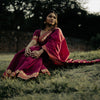
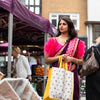
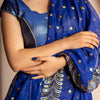
How to Style Handwoven Sarees for a Modern Look
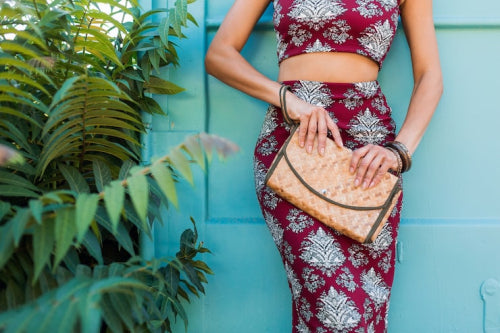
In a world where fashion seamlessly merges cultural heritage with modern aesthetics, handwoven sarees emerge as timeless garments that bridge traditions and contemporary lifestyles. From the vibrant streets of New York to the elegant boulevards of London, these pieces allow wearers to incorporate authentic Indian artistry into daily outfits. This guide explores innovative approaches to handwoven sarees styling, highlighting their versatility for sustainable fashion enthusiasts across the United States, Canada and Europe.
Fast fashion erodes cultural heritage, sidelining artisans and reducing traditions to trends. At IndieHaat, we champion India's craftspeople with handcrafted sarees, apparel, décor and skincare rooted in authenticity. Each piece embodies skill and ethical care. Support artisans and preserve India's timeless legacy Shop Now!
The Enduring Charm of Handwoven Sarees
Handwoven sarees are more than mere clothing; they encapsulate generations of craftsmanship and narrative. In India, the saree market reflects this vitality, valued at approximately USD 6.15 billion in 2025, with projections indicating steady expansion driven by a focus on sustainable and artisanal products. This growth mirrors a global appreciation, particularly among diaspora communities in North America and Europe, where consumers seek pieces that honor cultural roots while fitting urban wardrobes.
Globally, the handloom sarees market stood at USD 3.99 billion in 2025, underscoring the appeal of ethical textiles. In North America, the Indian ethnic wear segment reached around USD 19.5 billion in 2026, fueled by multicultural celebrations and rising interest in fusion styles. Europe follows suit, with similar market values emphasizing cultural diversity and sustainable choices. Brands like IndieHaat prioritize direct sourcing from artisans, ensuring unique designs in pure fabrics such as linen, silk and cotton key differentiators that resonate with eco-conscious buyers.fortunebusinessinsights.com
This charm lies in their adaptability. For instance, Tussar sarees offer a rustic elegance ideal for autumn outings in Toronto, while linen variants provide breathability for summer events in Paris. As sustainable ethnic fashion gains momentum, these sarees empower wearers to make statements that are both stylish and responsible.
Current Trends in Styling Handwoven Sarees
The evolution of saree styling reflects a blend of tradition and innovation, making them suitable for diverse occasions.
Fusion Draping Techniques
One prominent trend is fusion draping, where sarees are paired with Western elements. In Canada, layering a saree over tailored pants creates a professional look for office settings in Vancouver, addressing cooler climates while maintaining elegance.
Minimalist and Subtle Designs
In Europe, minimalist aesthetics dominate, with consumers in Berlin favoring muted tones and simple prints. This aligns with the region's emphasis on understated luxury, as seen in modern saree styles that incorporate subtle embroidery for everyday wear.
Emphasis on Sustainability
The sustainable fashion movement propels demand for ethically produced items. IndieHaat's commitment to authentic fabrics combats fast fashion, appealing to US shoppers who value transparency in supply chains, compliant with CCPA regulations.
Practical Styling Examples Across Regions
Applying these trends varies by location, offering tailored inspiration.
United States: Versatile and Bold
In the US, New York Fashion Week often features handwoven sarees with crop tops or blazers, creating bold ensembles. For Silicon Valley professionals, pairing a cotton saree with sneakers offers comfort and style, tapping into the growing ethnic wear USA market.
Canada: Embracing Cultural Blends
Toronto's Diwali festivals showcase sarees styled with boots and jackets. Platforms like Instagram and YouTube help demonstrate these looks, building trust through virtual experiences and addressing the inability to touch fabrics.
Europe: Sophisticated and Event-Oriented
In the UK and Germany, sarees are styled with structured accessories for work or soirées. Compliance with GDPR ensures personalized e-commerce recommendations, enhancing the shopping experience for handmade Indian apparel Europe.
Addressing Common Challenges
While appealing, adopting handwoven sarees comes with hurdles.
Pricing can seem high, often starting at USD 100 (CAD 138, EUR 92), but their durability and cultural significance provide long-term value. IndieHaat highlights how pure linens outlast synthetics, justifying the investment.
Online purchases raise trust issues due to the lack of physical interaction. Detailed imagery, videos and flexible returns mitigate this, fostering confidence.
Sizing variations challenge diverse body types. Custom options via marketplaces like Amazon or ONDC ensure inclusivity, aligning with regional preferences.
Business Opportunities and Impacts
The sector brims with potential for growth.
E-commerce platforms enable IndieHaat to reach audiences in Seattle or Madrid, where demand for sustainable items rises. Influencer collaborations on social media showcase modern ethnic fashion Canada, boosting visibility.
In India's market, evolving from ₹70,000 crores in FY24, premium segments drive innovation, with over 27% of purchases exceeding ₹10,000 (USD 119, CAD 164, EUR 110). This trend influences global gifting, from corporate events in Dubai to holidays in Europe.
- Expand via digital channels compliant with CCPA and GDPR.
- Partner with local influencers for authentic styling tips.
- Focus on sustainable branding to attract eco-aware consumers.
Insights from Experts and Future Prospects
Industry leaders emphasize balancing authenticity with modernity to broaden appeal. As global ethnic wear approaches USD 95 billion in 2026, brands like IndieHaat stand to benefit by supporting artisans.
Emerging technologies like VR try-ons will revolutionize access, making sarees a staple worldwide. Experimentation remains key whether for a brunch in Toronto or an evening in Paris.
Debunking Misconceptions
Many view sarees as formal-only, but fusion styles prove their versatility. Care concerns are minimal; machine-washable cottons simplify maintenance, encouraging everyday use.
Concluding Reflections
Handwoven sarees symbolize cultural pride and contemporary grace. As markets evolve in the US, Canada and Europe, embracing them promotes sustainability and global unity. Consider adding one to your collection it's a step toward mindful fashion.
Frequently Asked Questions
How can I style a handwoven saree for everyday modern wear?
Handwoven sarees can easily be incorporated into everyday outfits by pairing them with Western elements like crop tops, blazers, or even sneakers for a relaxed yet stylish look. Fusion draping techniques such as layering a saree over tailored pants work especially well for office or casual settings. Minimalist designs with subtle embroidery are ideal for understated, everyday elegance, while machine-washable cotton sarees make maintenance hassle-free for regular use.
Are handwoven sarees a sustainable fashion choice?
Yes, handwoven sarees are one of the most sustainable clothing options available today. Made from pure natural fabrics like linen, silk and cotton, they are ethically sourced directly from artisans, making them a responsible alternative to fast fashion. Their durability particularly pure linen varieties means they outlast synthetic garments, offering long-term value despite a higher upfront cost starting around USD 100.
How do handwoven sarees fit into modern ethnic fashion trends in the US, Canada and Europe?
Handwoven sarees are gaining significant popularity across North America and Europe, driven by diaspora communities and growing interest in sustainable ethnic fashion. In the US, they are styled boldly with crop tops or blazers; in Canada, paired with boots and jackets for festival occasions like Diwali; and in Europe, accessorized with structured pieces for work or evening events. With the global ethnic wear market approaching USD 95 billion in 2026, handwoven sarees are increasingly recognized as versatile, culturally rich wardrobe staples worldwide.
Disclaimer: The above helpful resources content contains personal opinions and experiences. The information provided is for general knowledge and does not constitute professional advice.
You may also be interested in: Banarasi Sarees Online: Bridal, Handloom & Festive Styles | Indiehaat
Fast fashion erodes cultural heritage, sidelining artisans and reducing traditions to trends. At IndieHaat, we champion India's craftspeople with handcrafted sarees, apparel, décor and skincare rooted in authenticity. Each piece embodies skill and ethical care. Support artisans and preserve India's timeless legacy Shop Now!
Powered by flareAI.co