How the Future of Fashion Is Rooted in Handmade, Sustainable Products
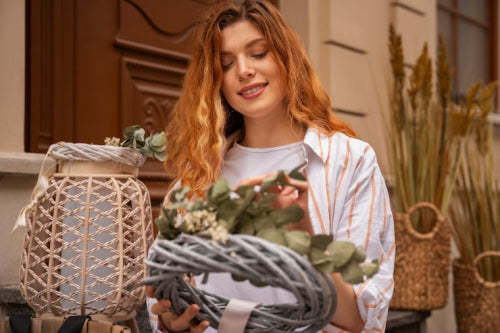
Fast fashion's relentless churn of trends has long dominated wardrobes, but a seismic shift is underway. A new era of fashion rooted in sustainability, craftsmanship, and cultural authenticity is emerging, led by artisans who weave heritage into every thread. At the forefront is IndieHaat, a Bangalore-based e-commerce platform that elevates India's handcrafted traditions. From handwoven linens to artisanal skincare, IndieHaat champions ethically produced goods, proving that luxury can be sustainable and deeply meaningful. This is the future of fashion, and it's being crafted by hand.
Fast fashion erodes cultural heritage, sidelining artisans and reducing traditions to trends. At IndieHaat, we champion India's craftspeople with handcrafted sarees, apparel, décor, and skincare rooted in authenticity. Each piece embodies skill and ethical care. Support artisans and preserve India's timeless legacy Shop Now!
The Surge of Sustainable Fashion
The global fashion industry stands at a pivotal moment. Consumers, especially younger generations, demand transparency, ethical production, and environmentally conscious products. A sustainable fashion market report projects this sector will reach $24.3 billion by 2030, growing at an 18.6% CAGR from 2024. This growth is driven by heightened consumer awareness and technological advancements that improve supply chain visibility and promote circularity. IndieHaat aligns with this trend, curating high-quality handmade apparel, accessories, and home décor made from eco-friendly materials like linen, silk, and cotton, sourced directly from Indian artisans.
This demand resonates across IndieHaat's key markets: India, the US, Singapore, Australia, the UK, and the UAE. In India, where craftsmanship is a cultural cornerstone, buyers are rediscovering handwoven textiles. In the UAE, Dubai's eco-conscious consumers are embracing sustainable, locally inspired products. North America, the largest market for sustainable fashion, benefits from high spending power and robust sustainability regulations, as the same report highlights, positioning it as a leader in this shift.
IndieHaat's presence on platforms like Amazon Marketplace and ONDC Marketplace amplifies its reach, connecting artisans to global audiences. By focusing on pure fabrics and authentic designs, the brand taps into a growing appetite for products that tell a story ones that honor tradition while meeting modern ethical standards.
Handmade Fashion: Craftsmanship with Purpose
Handmade fashion transcends aesthetics; it's a commitment to ethical and environmental impact. IndieHaat's direct sourcing from artisans ensures fair wages and preserves traditional techniques that fast fashion threatens to erase. According to a handicrafts market report, this sector was valued at $739.95 billion in 2024 and is expected to grow to $983.12 billion by 2030, with a 4.9% CAGR. While woodwork dominates, hand-printed textiles and embroidered goods IndieHaat's specialties are gaining momentum, particularly in the Asia Pacific, which commands a 34.81% revenue share.
Consider an artisan in Rajasthan crafting a silk saree with natural dyes. Each piece, taking days or weeks to complete, embodies a legacy of skill and care, unlike the mass-produced garments flooding retail chains. IndieHaat's meticulous selection process ensures every item meets stringent quality and authenticity standards, offering consumers a direct link to India's cultural heritage. This resonates in markets like Singapore and Australia, where buyers prize unique, ethically produced designs over disposable fashion.
The brand's focus on pure fabrics addresses a key consumer objection: the perception of high pricing. While handmade goods may cost more, their durability and cultural value far surpass fast fashion's fleeting appeal. IndieHaat leverages platforms like Instagram and Facebook to educate consumers, sharing artisan stories to build trust and counter the trust deficit often faced in online retail.
Success Stories: Artisans Shaping the Future
IndieHaat's impact is evident across its target regions. In India, a Varanasi weaver collective partners with the brand to showcase Banarasi silk sarees on the ONDC Marketplace, reaching global buyers. In the UK, a London designer collaborates with Indian artisans to create sustainable collections, blending traditional embroidery with contemporary flair. These efforts reflect a broader trend: the global handicraft market reached $915.93 billion in 2022 and is projected to hit $1,972.32 billion by 2030, with a 10.08% CAGR, fueled by post-COVID tourism and demand for unique products.
In Dubai, IndieHaat's artisanal skincare line, made with natural ingredients, appeals to eco-conscious consumers. Social media, including Instagram accounts like anilarubyraj and varshaoak, amplifies these stories, showcasing artisans and fostering trust. YouTube videos offer behind-the-scenes glimpses, addressing the objection of not being able to touch and feel products by providing vivid visuals and detailed descriptions. These strategies help IndieHaat compete in markets like the US and UK, where fast fashion's dominance requires innovative marketing to highlight authenticity.
Overcoming Challenges in Handmade Fashion
Handmade fashion faces significant hurdles. High production costs, driven by the time-intensive nature of artisanal work, lead to higher prices a common consumer objection. IndieHaat counters this by emphasizing the longevity and cultural significance of its products, positioning them as investments rather than impulse buys. Scalability is another challenge; unlike fast fashion giants, IndieHaat cannot produce thousands of units daily. Yet, this exclusivity is a strength, appealing to buyers in Singapore and Australia who value individuality over mass-produced uniformity.
The inability to touch and feel products online is a persistent issue. IndieHaat mitigates this through high-quality visuals and detailed descriptions on Amazon Marketplace, alongside social media storytelling that humanizes the artisan process. Competing with fast fashion in markets like the US and UK demands strategic branding to underscore the value of ethical production over convenience. By addressing these challenges head-on, IndieHaat builds credibility and fosters consumer loyalty.
Seizing Opportunities for Growth
The shift toward ethical consumption offers immense opportunities for IndieHaat. Millennials and Gen Z, dominant in markets like Singapore and Australia, prioritize brands aligned with their values sustainability, authenticity, and social impact. By leveraging digital marketplaces and social media, IndieHaat can expand its global footprint while staying true to its mission. Collaborations, like those seen in the UK with global fashion houses, could elevate its profile, merging artisanal craftsmanship with high fashion.
The environmental and social benefits are undeniable. Choosing handmade reduces the carbon footprint of industrial production, while empowering artisans often women in rural India drives economic independence. IndieHaat's focus on eco-friendly materials like linen and silk aligns with growing demand in the UAE and Australia, where sustainability is a priority. These efforts not only meet market trends but also create a ripple effect, supporting communities and preserving cultural heritage.
A Future Crafted by Hand
The future of fashion lies not in factories but in the skilled hands of artisans who infuse every piece with purpose. Experts agree: as sustainability becomes a non-negotiable priority, handmade products will define the industry's next chapter. IndieHaat's model curating authentic, ethically produced goods positions it as a leader in this transformation. By blending traditional craftsmanship with modern e-commerce, it offers more than products; it offers a vision of fashion that is sustainable, meaningful, and profoundly human.
With the global handicrafts market projected to reach $983.12 billion by 2030 and sustainable fashion nearing $24.3 billion, the message is clear: consumers crave stories, ethics, and impact over fleeting trends. IndieHaat invites you to embrace this future. When you shop, consider the artisans behind each creation. Choose handmade. Choose sustainable. Choose a legacy that endures.
Frequently Asked Questions
Why is sustainable fashion growing so rapidly?
The sustainable fashion market is projected to reach $24.3 billion by 2030, growing at 18.6% annually, driven by consumer demand for transparency and ethical production. Younger generations, particularly Millennials and Gen Z, prioritize environmentally conscious products and brands that align with their values. This shift reflects heightened awareness of fast fashion's environmental impact and a preference for products with cultural authenticity and longevity.
What makes handmade fashion more valuable than fast fashion?
Handmade fashion embodies craftsmanship, cultural heritage, and ethical production that mass-produced garments cannot replicate. Each piece takes days or weeks to create, using traditional techniques and eco-friendly materials like linen, silk, and cotton, ensuring superior durability and uniqueness. While handmade goods may cost more upfront, they offer long-term value through quality, sustainability, and the social impact of supporting artisan communities.
How does IndieHaat support artisans and promote sustainable fashion?
IndieHaat directly sources handcrafted products from Indian artisans, ensuring fair wages and preserving traditional techniques threatened by fast fashion. The platform curates ethically produced apparel, accessories, and home décor made from pure, eco-friendly fabrics, connecting artisans to global markets through Amazon Marketplace and ONDC. By prioritizing transparency and authenticity, IndieHaat empowers rural communities often women while offering consumers sustainable alternatives with meaningful cultural stories.
Disclaimer: The above helpful resources content contains personal opinions and experiences. The information provided is for general knowledge and does not constitute professional advice.
You may also be interested in: Indias Sustainable Fashion Movement Grows Through Online Sales
Fast fashion erodes cultural heritage, sidelining artisans and reducing traditions to trends. At IndieHaat, we champion India's craftspeople with handcrafted sarees, apparel, décor, and skincare rooted in authenticity. Each piece embodies skill and ethical care. Support artisans and preserve India's timeless legacy Shop Now!
Powered by flareAI.co