How Minimalist Wardrobe Choices Are Driving Demand for Handloom Sarees
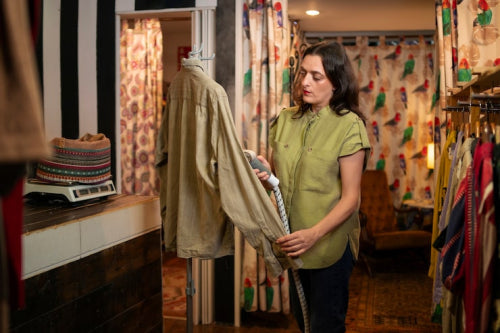
The modern wardrobe is undergoing a quiet but meaningful transformation. Instead of overflowing closets and trend-driven purchases, many consumers are gravitating toward intentional, versatile clothing that prioritizes longevity and purpose. Within this shift, traditional textiles are finding renewed relevance. Handloom sarees, in particular, are emerging as a natural fit for minimalist wardrobes, blending cultural heritage with the principles of slow, thoughtful consumption. This intersection of sustainability, craftsmanship, and style is reshaping how people approach ethnic wear and everyday dressing alike.
Fast fashion erodes cultural heritage, sidelining artisans and reducing traditions to trends. At IndieHaat, we champion India's craftspeople with handcrafted sarees, apparel, décor, and skincare rooted in authenticity. Each piece embodies skill and ethical care. Support artisans and preserve India's timeless legacy Shop Now!
The Rise of Minimalist Wardrobes and Conscious Consumption
Minimalism in fashion is no longer just an aesthetic preference; it reflects a broader change in how people think about ownership, sustainability, and identity. Capsule wardrobes encourage individuals to select fewer but higher-quality garments that can be styled in multiple ways. This shift is especially visible among urban professionals who are moving away from fast fashion cycles and toward clothing that offers long-term utility.
In this evolving mindset, clothing is evaluated not by quantity but by adaptability. A single well-crafted piece is expected to serve multiple occasions, reducing both decision fatigue and environmental impact. This behavioral shift aligns closely with the growing appreciation for handcrafted textiles, where each piece carries uniqueness, durability, and story-driven value.
According to insights on sustainable fashion trends in handloom products, the global handloom market is witnessing strong growth driven by rising demand for ethical and sustainable textiles. Consumers especially younger demographics are increasingly favoring versatile, long-lasting garments like handloom sarees that align with capsule wardrobe principles. This shift reflects a broader preference for quality over quantity, where fewer thoughtfully chosen pieces reduce environmental impact while preserving cultural craftsmanship and supporting artisan communities.
Why Handloom Sarees Fit Capsule Wardrobes
Handloom sarees naturally complement the idea of capsule wardrobe sarees because they embody versatility without compromising cultural depth. Unlike mass-produced garments, handwoven sarees often feature subtle variations in texture and weave, making each piece distinct while still remaining easy to style across different contexts.
For minimalist fashion enthusiasts, the appeal lies in their adaptability. A single saree can be styled for formal occasions with structured accessories or worn casually with minimal embellishment. This flexibility reduces the need for excessive wardrobe expansion while maintaining aesthetic diversity.
The growing interest in minimalist wardrobe handloom sarees reflects a broader movement toward intentional fashion choices where fewer garments serve more functions. This approach not only simplifies dressing routines but also encourages deeper appreciation for craftsmanship and material quality.
Sustainability and the Craft Behind Handloom Textiles
One of the strongest drivers behind the renewed interest in handloom sarees is their alignment with sustainable fashion values. Handloom production typically relies on human skill and natural fibers, resulting in lower environmental impact compared to industrial textile manufacturing. This makes it a preferred choice for consumers who are increasingly conscious of how their clothing is produced.
Handloom textiles represent a powerful intersection of tradition, environmental stewardship, and minimalist fashion principles. As highlighted in discussions on handloom's role in sustainable fashion, these fabrics are created using natural fibers and low-impact processes that significantly reduce carbon footprint while supporting artisan livelihoods. Their durability, breathability, and ability to improve with age make them especially suitable for capsule wardrobes, where longevity and versatility are essential. This alignment between ethical production and practical wearability continues to strengthen the appeal of handloom sarees among conscious consumers.
Beyond environmental considerations, handloom textiles also support artisan livelihoods and preserve traditional weaving techniques that have been passed down through generations. This combination of ecological responsibility and cultural preservation gives handloom sarees a distinct position in the modern fashion ecosystem.
As sustainability becomes a central consideration in fashion decisions, handloom sarees continue to stand out as garments that offer both ethical and practical advantages without sacrificing aesthetic appeal.
Styling Versatility: Handloom Sarees in Modern Minimalism
Minimalist fashion thrives on versatility, and handloom sarees excel in this dimension. Their understated elegance allows them to transition effortlessly across settings, from professional environments to cultural gatherings and casual social occasions. This adaptability reduces the need for multiple occasion-specific outfits.
The texture and natural drape of handloom fabric also allow for creative styling without excessive accessories. Many minimalist dressers prefer pairing these sarees with neutral tones, simple jewelry, and functional silhouettes, allowing the fabric itself to become the focal point.
This versatility is a key reason why capsule wardrobe ethnic wear strategies increasingly incorporate handloom sarees as foundational pieces. They offer the ability to create multiple looks from a single garment, reinforcing the minimalist principle of doing more with less.
Cultural Value and the Slow Fashion Movement
Handloom sarees occupy a unique space where culture and sustainability intersect. They are not just garments but expressions of regional craftsmanship, artistic identity, and generational knowledge. In an era dominated by fast production cycles, these qualities add depth and meaning to everyday clothing choices.
The slow fashion movement emphasizes mindful production, ethical sourcing, and long-term usability. Handloom textiles naturally align with this philosophy, as each piece requires time, skill, and careful attention to detail. This stands in contrast to mass-produced fashion, where speed often takes precedence over craftsmanship.
Research on sustainable fashion trends in handloom products further indicates that the market for artisanal textiles is expanding steadily, fueled by e-commerce accessibility, designer collaborations, and growing global interest in sustainable Indian crafts. This expansion reinforces the idea that minimalist fashion preferences are not only culturally significant but also economically transformative, positioning handloom sarees as long-term wardrobe investments rather than seasonal items.
The cultural significance of handloom sarees further enhances their appeal, allowing wearers to connect with tradition while embracing modern minimalist values. This dual identity makes them especially relevant in today's global fashion landscape.
How Consumers Are Redefining Ethnic Wear Choices
The way people approach ethnic wear is evolving significantly. Rather than reserving sarees for special occasions alone, many consumers are incorporating them into everyday styling. This shift reflects a broader desire to make traditional clothing more functional and integrated into daily life.
Consumers are also becoming more selective about fabric quality, production methods, and design versatility. This has led to increased demand for eco friendly sarees India, where sustainability and aesthetics coexist. The focus is shifting from decorative abundance to meaningful simplicity.
Within this context, Indian handloom fashion trend is gaining momentum as individuals seek clothing that reflects both personal values and cultural heritage. Handloom sarees are increasingly viewed as wardrobe essentials rather than occasional attire, reinforcing their relevance in minimalist fashion systems.
The Future of Sustainable Saree Fashion Trend
The future of saree fashion is being shaped by a blend of sustainability, cultural revival, and design innovation. As consumers continue to move away from disposable fashion habits, garments that offer longevity and adaptability will play a more central role in wardrobe planning.
Handloom sarees are well positioned within this evolution due to their inherent craftsmanship and timeless appeal. Designers and brands are increasingly exploring ways to reinterpret traditional weaves for modern audiences, ensuring that these textiles remain relevant across generations.
The rising interest in sustainable saree fashion trend signals a shift toward more thoughtful consumption patterns. Rather than being driven solely by seasonal trends, fashion choices are increasingly guided by durability, ethics, and personal meaning.
As this transformation continues, handloom sarees are likely to remain at the intersection of heritage and modernity, offering a compelling example of how traditional crafts can thrive within contemporary minimalist lifestyles.
Ultimately, the convergence of minimalist wardrobe principles and handloom craftsmanship reflects a deeper cultural shift toward intentional living. By choosing fewer but more meaningful garments, consumers are redefining what it means to dress well in a world that increasingly values sustainability, authenticity, and thoughtful design.
Frequently Asked Questions
Why are handloom sarees considered a good fit for a minimalist or capsule wardrobe?
Handloom sarees offer versatility without sacrificing cultural depth, making them easy to style for both formal and casual occasions with the same garment. Their subtle texture variations give each piece a distinct character while still pairing well with neutral tones and simple accessories. This adaptability means a single saree can serve multiple functions, which is exactly what capsule wardrobe principles call for.
What makes handloom sarees a sustainable fashion choice?
Handloom production relies on human skill and natural fibers rather than industrial manufacturing, which results in a lower environmental footprint and supports artisan livelihoods. These textiles are also durable, breathable, and tend to improve with age, making them well-suited to long-term wardrobe use rather than seasonal disposal. This combination of ethical production and practical wearability is a key reason they appeal to conscious consumers.
How are consumers changing the way they wear and think about handloom sarees today?
Rather than saving sarees for special occasions, more people are integrating them into everyday styling, treating them as wardrobe essentials instead of occasional attire. This shift is paired with growing demand for eco-friendly, quality-focused options as consumers prioritize fabric quality and design versatility over decorative abundance. The result is a broader move toward thoughtful, value-driven dressing rather than trend-chasing.
Disclaimer: The above helpful resources content contains personal opinions and experiences. The information provided is for general knowledge and does not constitute professional advice.
You may also be interested in: Why Pure Cotton Sarees Are Dominating the Ethnic Wear Market
Fast fashion erodes cultural heritage, sidelining artisans and reducing traditions to trends. At IndieHaat, we champion India's craftspeople with handcrafted sarees, apparel, décor, and skincare rooted in authenticity. Each piece embodies skill and ethical care. Support artisans and preserve India's timeless legacy Shop Now!
Powered by flareAI.co