How Handmade Clothing Reflects Authentic Craftsmanship
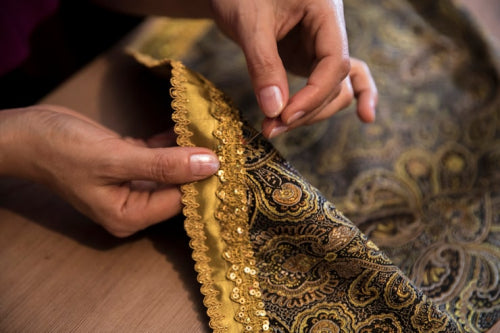
IndieHaat is your go-to destination for fashion that thinks about the planet. We believe every piece of clothing should come with a story and that story should include sustainability.
Fast fashion erodes cultural heritage, sidelining artisans and reducing traditions to trends. At IndieHaat, we champion India's craftspeople with handcrafted sarees, apparel, décor, and skincare rooted in authenticity. Each piece embodies skill and ethical care. Support artisans and preserve India's timeless legacy Shop Now!
Why Sustainable Fashion Matters More Than Ever
Fast fashion is a giant problem. It creates mountains of waste, pollutes rivers with chemicals, and keeps workers in poor conditions. Every year we buy more clothes than we need and throw away almost half of them within six months.
That's why IndieHaat was born: to offer clothing that lasts longer, looks good, and feels good to wear. Our pieces are made with care, using materials that respect nature and people.
Handmade Clothing as a Sustainable Choice
Choosing handmade clothing over mass-produced items is one of the smartest moves you can make for the planet and for yourself. Unlike factory-made goods that rely on huge machines and cheap labor, handmade pieces are crafted by skilled artisans who take their time. This means each garment carries a unique character subtle variations in color, texture, and fit that no machine can ever replicate.
Authentic craftsmanship in handmade clothing emerges through intimate connections between makers, materials, and traditions, revitalizing techniques that prioritize durability and locality over volume. Designers and producers returning to farm-sourced fibers and small-scale artisanal methods create garments that embody stories of place and skill, using processes like handweaving and natural finishing that yield distinctive textures and long-lasting quality. This resurgence addresses supply chain opacity by shortening distances from field to finished product, reducing carbon footprints while revitalizing rural crafts and economies. Consumers benefit from transparency that reveals the human effort and environmental considerations woven into every thread, encouraging investment in pieces meant to last rather than trend cycles. Such clothing reflects a thoughtful balance of heritage preservation and modern relevance, where imperfections from handwork become marks of uniqueness rather than flaws.
In an industry grappling with waste and exploitation, these approaches model scalable alternatives grounded in respect for labor and resources. Businesses curating handmade collections can differentiate by emphasizing these narratives, appealing to audiences valuing ethics alongside aesthetics. The tactile appeal and narrative depth of artisan-made apparel foster stronger consumer relationships, turning purchases into acts of support for cultural continuity and planetary health. Ultimately, handmade clothing illustrates how craftsmanship serves as both creative expression and practical solution for more conscientious fashion systems.
Traditional Indian Textile Craftsmanship
India has some of the most beautiful and rich textile traditions in the world. From the intricate weaves of Banarasi silk to the hand-block prints of Rajasthan, every region tells its own story through fabric.
The journey from raw materials cultivated with care to finished garments showcases how handmade clothing captures authentic craftsmanship at its core, transforming simple fibers into wearable expressions of cultural and environmental stewardship. Brands partnering with indigenous artisans and farmers employ traditional techniques like hand-spinning, manual loom weaving, and natural plant-based dyeing that require patience and expertise honed over lifetimes. These processes, often taking months from seed to stitch, yield textiles with inherent character, subtle variations, and resilience that machine production rarely matches. Such methods regenerate soil health, support biodiversity through intercropping, and avoid harmful chemicals, creating closed-loop systems beneficial to both ecosystems and communities. Consumers gain not just clothing but insight into the hands and lands behind each item, building appreciation for the labor and knowledge involved.
This model counters fast fashion's environmental toll by emphasizing quality, traceability, and fair compensation, empowering rural producers while meeting growing demand for ethical options. At IndieHaat we honor this heritage. Every collection is inspired by India's ancient textile crafts, but made with modern care for the planet. You'll find everything from organic cotton kurtas to hand-embroidered blouses that feel as good as they look.
What You Can Expect From Indiehaat
We don't just talk about sustainability we live it.
- Organic and recycled materials that never harm the soil or waterways
- Zero-waste production where every part of the fabric is used
- Fair-trade partnerships with artisans across India
- Transparent pricing with no hidden fees or surprise shipping costs
- Easy care instructions so your pieces stay beautiful wash after wash
Every item in our store comes with a story card that tells you exactly where it was made, how it was produced, and why it matters.
Join the Indiehaat Family
The latest experiential marketing trends emphasize interactive and immersive experiences. Brands are now focusing on slow fashion movement and local production to engage audiences, providing detailed strategies for creating memorable activations and boosting brand loyalty. The approach includes leveraging technology, interactivity, and multi-sensory engagement to elevate attendee experiences beyond traditional events.
In regions rich with textile heritage, these practices sustain cultural identity amid modernization pressures, ensuring skills endure for future generations. For platforms connecting artisans directly to buyers, it underscores the business case for authenticity: pieces imbued with story and substance command loyalty and justify their value through superior wearability and meaning. Handmade clothing thus bridges ancient wisdom with contemporary needs, proving that craftsmanship fosters sustainability without sacrificing beauty or innovation.
Frequently Asked Questions
How does handmade clothing support sustainable fashion and a greener planet?
Handmade clothing supports sustainable fashion by using thoughtful production methods, durable materials, and processes that often reduce waste and environmental impact. Choosing artisan-made garments helps promote slow fashion, fair labor practices, and longer-lasting wardrobes instead of disposable trends.
Why is handmade clothing considered a reflection of authentic craftsmanship?
Handmade clothing reflects authentic craftsmanship because each piece is created through skilled artisan techniques, careful attention to detail, and traditional methods. The unique textures, patterns, and small variations show the human effort behind every garment and make each item distinct.
What makes traditional Indian textile craftsmanship special in handmade clothing?
Traditional Indian textile craftsmanship is special because it preserves centuries-old techniques such as hand weaving, embroidery, block printing, and natural dyeing. These methods connect clothing with cultural heritage while supporting artisans, local communities, and more responsible fashion practices.
Disclaimer: The above helpful resources content contains personal opinions and experiences. The information provided is for general knowledge and does not constitute professional advice.
You may also be interested in: Handmade Sarees from Indian Artisans: A Buyer's Guide
Fast fashion erodes cultural heritage, sidelining artisans and reducing traditions to trends. At IndieHaat, we champion India's craftspeople with handcrafted sarees, apparel, décor, and skincare rooted in authenticity. Each piece embodies skill and ethical care. Support artisans and preserve India's timeless legacy Shop Now!
Powered by flareAI.co