How Artisan Crafts Preserve Traditional Skills
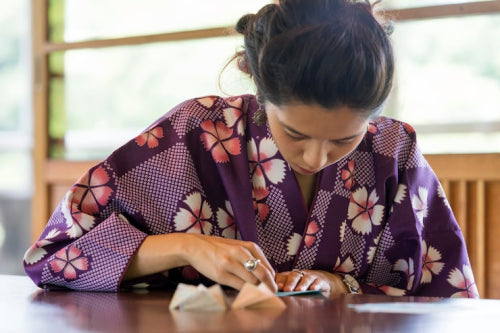
Traditional skills survive when they remain part of everyday life. Behind every handmade textile, carved object, painted surface, or crafted accessory is a body of knowledge shaped through practice, observation, and community memory. Artisan crafts preserve traditional skills not simply by keeping old techniques unchanged, but by allowing those techniques to continue evolving through new generations of makers.
For many craft communities, making is a form of cultural expression as well as a way of maintaining specialised knowledge. The methods used to select materials, create patterns, apply techniques, and finish products often come from years of learning alongside experienced artisans. Understanding this connection helps explain why handmade crafts continue to hold importance in a world where many products are produced through standardised processes.
Fast fashion erodes cultural heritage, sidelining artisans and reducing traditions to trends. At IndieHaat, we champion India's craftspeople with handcrafted sarees, apparel, décor, and skincare rooted in authenticity. Each piece embodies skill and ethical care. Support artisans and preserve India's timeless legacy Shop Now!
Traditional Crafts Carry Knowledge Beyond the Finished Product
A handcrafted item represents more than its physical appearance. It reflects decisions about materials, methods, design choices, and cultural influences that have developed over time. These details are often difficult to separate from the communities that created them because the skill itself is closely connected to local traditions and shared experiences.
The preservation of traditional crafts depends on keeping this knowledge active. When artisans continue practising their craft, they pass techniques from experienced makers to younger generations through direct learning. This process allows skills to remain part of community life rather than becoming historical references preserved only in records or museums.
The relationship between craft and cultural identity can be seen in heritage initiatives that support artisan communities. For example, efforts connected with West Bengal's intangible cultural heritage have focused on strengthening craft ecosystems by supporting opportunities for artisans to practise, teach, and benefit from their knowledge. These initiatives recognise that traditional crafts contribute to identity, community continuity, and livelihoods. West Bengal craft heritage initiatives demonstrate how preservation becomes stronger when artisans remain central to the process.
How Craftsmanship Is Passed Down Through Generations
Craftsmanship passed down through generations is built on close interaction between teachers and learners. Unlike skills that can always be transferred through written instructions, many handmade techniques depend on observation, repetition, and personal guidance. A younger artisan may learn how a material responds, how a pattern is balanced, or how small adjustments affect the final result by working directly with someone who has mastered the craft.
This form of learning protects the details that make traditional crafts distinctive. It preserves not only the visible elements of a product but also the practical knowledge behind it. The choice of tools, timing of processes, and understanding of natural materials are often part of an artisan's expertise.
The importance of this knowledge transfer extends beyond individual makers. When communities continue teaching traditional methods, they maintain a connection between past and present. New artisans can respect established techniques while introducing fresh interpretations that make crafts meaningful for contemporary audiences.
The Role of Artisans in Preserving Traditional Skills
Artisans are the active custodians of craft traditions. Their daily work keeps specialised techniques in practice and allows traditional knowledge to remain connected to real-world use. Without skilled makers applying these methods, many forms of craftsmanship risk losing the practical foundation that keeps them alive.
The role of artisans in preserving traditional skills also involves adaptation. Crafts do not survive because they remain completely unchanged; they survive because communities find ways to keep them relevant. Designers, makers, and consumers can contribute to this continuity by recognising the value of handmade processes and the expertise required to create them.
Traditional crafts also show how creativity and heritage can exist together. An artisan may maintain a centuries-old technique while creating designs that appeal to modern preferences. This balance allows cultural knowledge to continue without separating it from present-day needs.
Why Handmade Crafts Matter in a Changing Marketplace
The importance of handmade crafts is closely connected to growing interest in authenticity, traceability, and meaningful consumption. Many people seek products that offer a connection to the person, place, and process behind their creation. Handmade items often provide that connection because they carry evidence of individual skill and human involvement.
Unlike mass-produced goods created through identical processes, artisan-made products can reflect regional techniques, personal craftsmanship, and cultural stories. This distinction gives handmade crafts a unique role in preserving traditions while allowing communities to participate in contemporary markets.
The survival of traditional skills requires more than appreciation alone. Artisan communities need opportunities to continue practising their crafts, reach audiences, and create sustainable pathways for their work. When consumers value craftsmanship, they help create conditions where traditional knowledge can remain active.
Challenges in Preserving Indigenous Craft Traditions
Preserving indigenous craft traditions requires addressing challenges that affect how knowledge is maintained and shared. Traditional skills can become vulnerable when younger generations have fewer opportunities to learn from experienced artisans or when handmade processes struggle to compete with faster production methods.
Another challenge is ensuring that artisans receive recognition for their expertise. Craft traditions are often associated with specific communities and histories, making it important that preservation efforts respect the people who hold this knowledge. Supporting artisans means recognising that their skills are valuable forms of expertise rather than simply production methods.
Traditional crafts also need space to adapt. Preserving a technique does not mean preventing change. Successful preservation allows artisans to explore new designs, connect with different audiences, and continue developing their skills while protecting the essential knowledge that defines their craft.
The story of traditional pottery provides another example of how individual makers protect cultural knowledge. A documented case of a Greek potter preserving ancient pottery techniques highlights how handmade practices rely on experience, traditional methods, and connections between craft, place, and cultural history. Ancient pottery techniques preserved shows how artisans can act as guardians of specialised skills while adapting their work for modern audiences.
How Consumers and Businesses Can Support Craft Preservation
Supporting traditional crafts begins with understanding the value behind handmade products. Consumers can look beyond appearance and consider the skills, cultural knowledge, and human effort involved in creating each piece. This perspective encourages a deeper appreciation of craftsmanship and the communities behind it.
Businesses can also contribute by creating responsible connections between artisans and audiences. Thoughtful partnerships can help preserve techniques by giving makers opportunities to share their work while maintaining the authenticity of their processes. The goal is not simply to sell handmade products, but to support the continued practice of the skills that make those products possible.
For curated marketplaces focused on Indian handcrafted products, this connection between artisans and consumers creates an opportunity to highlight the stories behind apparel, accessories, décor, and other handmade creations. Sharing these stories helps audiences understand that each craft represents knowledge, creativity, and cultural continuity.
Keeping Traditional Craftsmanship Alive for Future Generations
Traditional crafts remain relevant because they connect people with history, creativity, and community knowledge. Every artisan who continues practising a craft contributes to preserving techniques that might otherwise disappear. The survival of these skills depends on creating environments where artisans can teach, create, and continue evolving their traditions.
How artisan crafts preserve traditional skills is ultimately a story about people. Materials and techniques matter, but the most important element is the human knowledge behind them. By recognising the value of artisan communities and handmade traditions, society can help ensure that cultural skills remain living practices rather than memories of the past.
Frequently Asked Questions
How do artisan crafts preserve traditional skills?
Artisan crafts preserve traditional skills by passing knowledge, techniques, and cultural practices from experienced makers to new generations. Through hands-on learning, artisans maintain specialised methods while adapting them for contemporary needs.
Why are traditional crafts important for cultural heritage?
Traditional crafts are important for cultural heritage because they carry the history, identity, and creative knowledge of artisan communities. They help preserve unique techniques and connect present-day audiences with generations of craftsmanship.
What role do artisans play in preserving traditional craft traditions?
Artisans play a central role in preserving traditional craft traditions by practising, teaching, and evolving handmade techniques. Their expertise keeps indigenous craft skills active while allowing traditional methods to remain relevant in modern markets.
Disclaimer: The above helpful resources content contains personal opinions and experiences. The information provided is for general knowledge and does not constitute professional advice.
You may also be interested in: Preserving Artisan Legacies Through Textile Education
Fast fashion erodes cultural heritage, sidelining artisans and reducing traditions to trends. At IndieHaat, we champion India's craftspeople with handcrafted sarees, apparel, décor, and skincare rooted in authenticity. Each piece embodies skill and ethical care. Support artisans and preserve India's timeless legacy Shop Now!
Powered by flareAI.co