Health and Environmental Benefits of Cotton
Amid the vibrant chaos of a Mumbai bazaar, where the air hums with haggling and the scent of spices lingers, handwoven cotton sarees flutter like banners of heritage. These pieces, born from the patient hands of artisans passed down through generations, embody more than artistry they represent a subtle shift in how we think about what we wear and live with. Cotton, that age-old fiber deeply rooted in India's soil, is experiencing a renaissance. No longer just a basic material, it's emerging as a powerhouse for personal health and planetary well-being, countering the relentless pace of synthetic-dominated fast fashion.
Fast fashion erodes cultural heritage, sidelining artisans and reducing traditions to trends. At IndieHaat, we champion India's craftspeople with handcrafted sarees, apparel, décor, and skincare rooted in authenticity. Each piece embodies skill and ethical care. Support artisans and preserve India's timeless legacy Shop Now!
Cotton's Enduring Legacy
For millennia, cotton has sustained India's economy and culture, draping royalty and common folk in equal measure. In modern times, it anchors marketplaces like IndieHaat, featuring meticulously selected handmade garments and household items that highlight its adaptability. Whether it's airy kurtas perfect for sweltering afternoons or detailed cushion covers adding warmth to homes, cotton delivers on two fronts: soothing the body while nurturing the earth. Amid a sea of artificial alternatives, this organic staple is regaining ground, fueled by a surge in demand for mindful consumption.
Recent data underscores this momentum. The natural fibers market, where cotton reigns supreme, stood at an estimated $69.23 billion globally in 2024, with projections climbing to $94.65 billion by 2030 at a compound annual growth rate of 5.4% starting from 2025. Within plant-based fibers, cotton commands an impressive 82% revenue share, propelled by its alignment with eco-friendly trends in textiles and beyond. The Asia-Pacific region leads with over 51.1% of the market, thanks to robust textile production in nations like India, China, and Bangladesh. Meanwhile, the bio-based textiles sector, encompassing organic cotton, was valued at $49.84 billion in 2024 and is set to expand to $81.31 billion by 2030, growing at 8.5% annually. Plant-derived materials, including cotton, hold a 63.9% share, with Asia-Pacific again dominant at 47.3%. These figures reflect a broader pivot toward sustainable options, with organic cotton's popularity as a key driver in reducing environmental harm.
Shifting focus to organic variants, the organic cotton market itself was worth $1,113.5 million in 2023, anticipated to soar to $25,890.2 million by 2032. This explosive growth highlights consumer and industry shifts toward fibers free from synthetic pesticides, benefiting both ecosystems and human health.
The Breath of Comfort
On a sticky summer day, nothing compares to the relief of cotton against your skin. Its natural porosity allows air to flow freely, drawing sweat away and maintaining a cooler body temperature where synthetics might trap heat and cause discomfort. This breathability isn't just about comfort it's a health boon, minimizing the risk of overheating and related issues like dehydration or heat rash.
For individuals with delicate skin, cotton stands out as a gentle ally. Hypoallergenic by nature, it rarely triggers reactions, making it ideal for those battling eczema, allergies, or general sensitivity. Unlike chemical-laden fabrics that can irritate or exacerbate conditions, cotton's purity provides a soothing barrier, promoting skin health without added aggravation. It's also easier to launder, resisting static buildup that plagues other materials, ensuring practicality alongside wellness.
Extend this to daily life, and cotton's advantages multiply. In undergarments, it helps maintain balanced pH levels, reducing infection risks as recommended by health professionals. For sleep, cotton bedding regulates temperature and wicks moisture, fostering deeper rest and overall vitality. Its durability ensures longevity, cutting down on frequent buys and supporting a sustainable lifestyle that indirectly boosts mental well-being through reduced clutter and waste.
A Sustainable Fiber
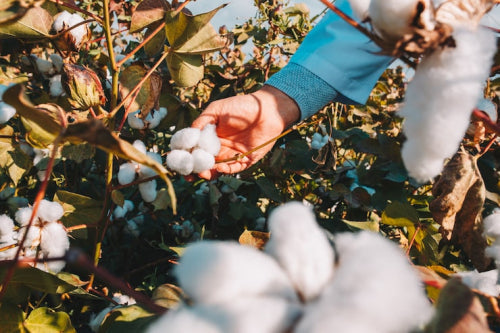
Cotton's eco-profile shines brightest in its organic form. Traditional cultivation has drawn criticism for high water and chemical demands, but organic methods flip the script, slashing pesticide use and preventing contamination of water, soil, and air. This results in 26% less soil erosion compared to conventional farming, preserving land fertility for future generations.
Biodegradability sets cotton apart from synthetics, which linger in landfills and release microplastics into oceans. Organic cotton decomposes naturally, closing the loop in a circular economy and minimizing pollution that harms marine ecosystems and human food supplies. Studies show it reduces greenhouse gas emissions through efficient energy practices and avoids toxic inputs, contributing to lower overall environmental impact per unit.
In regions like India, where cotton farming is a lifeline, organic shifts enhance biodiversity and farmer safety by eliminating hazardous chemicals. This not only conserves resources using less local water but also builds resilient soils with higher carbon content, aiding climate mitigation. As global regulations tighten, such as the EU's Green Deal, organic cotton positions itself as a frontrunner in sustainable textiles.
Artisans Leading the Way
Across India's rural landscapes, the clack of looms echoes timeless traditions. Craftspeople infuse cotton with natural dyes, producing sarees and kurtas that blend cultural depth with green innovation. IndieHaat spotlights these works, linking village weavers to city dwellers seeking genuine, ethical goods. Each piece carries narratives of expertise and ecological harmony.
Worldwide, this resonates. Leading brands incorporate organic cotton into staples like tees and denim, meeting calls for responsible sourcing. In India, programs bolstering cotton crafts uplift communities, generating employment and instilling sustainable pride. IndieHaat's arrays from lively home accents to sleek apparel embody this synergy of intent and elegance.
Navigating the Obstacles
Despite its strengths, cotton faces headwinds. Standard growing methods demand vast water supplies, straining arid areas, while non-organic approaches rely on pesticides that endanger health and habitats. Economically, cheap synthetics undercut cotton's value, and knowledge gaps leave buyers unclear on organic versus conventional distinctions.
Innovation counters these. Organic techniques trim resource needs, and certifications guide informed purchases. Digital hubs like IndieHaat enhance visibility, delivering verifiable, artisan-made cotton that traces from farm to form.
Emerging Prospects
Cotton's trajectory gleams, particularly in India's bustling cities, where green-minded shoppers embrace handmade weaves. The thirst for principled items swells, with organic cotton at the vanguard. Grand View Research projections affirm steady expansion, tied to sustainability drives. IndieHaat capitalizes, forging ties between creators and appreciators of quality and morals.
Businesses stand to gain by committing to eco-cotton: transparent chains and craft alliances yield rewards in a planet-first economy. Shoppers wield influence too opting for a woven kurta over synthetic spares resources, aids makers, and elevates health. Such decisions amplify change.
Forging Tomorrow's Tapestry
Cotton transcends mere cloth; it fuels a transformation. As Indian weavers craft enduring masterpieces, they interlace hopes for vitality and conservation. Hurdles like resource strain persist, yet advancements are clear. The ascent of organic cotton, bolstered by IndieHaat, heralds a fashion realm that honors the globe. When you next don cotton attire or adorn with its weaves, recognize your role in a gentler, verdant world thread by thread.
Frequently Asked Questions
What are the main health benefits of wearing cotton clothing?
Cotton offers excellent breathability, allowing air to flow freely and drawing sweat away from your skin to maintain a cooler body temperature. It's naturally hypoallergenic, making it ideal for people with sensitive skin, eczema, or allergies, as it rarely triggers reactions unlike chemical-laden synthetic fabrics. Cotton also helps maintain balanced pH levels when worn as undergarments and promotes better sleep when used in bedding by regulating temperature and wicking moisture.
How does organic cotton benefit the environment compared to synthetic fabrics?
Organic cotton significantly reduces environmental impact by eliminating synthetic pesticides and reducing soil erosion by 26% compared to conventional farming methods. Unlike synthetic fabrics that release microplastics into oceans and linger in landfills, organic cotton is biodegradable and decomposes naturally, supporting a circular economy. It also reduces greenhouse gas emissions through efficient energy practices and helps build resilient soils with higher carbon content, contributing to climate mitigation efforts.
Why is the organic cotton market growing so rapidly?
The organic cotton market has experienced explosive growth, expanding from $1,113.5 million in 2023 to a projected $25,890.2 million by 2032, driven by increasing consumer demand for sustainable and chemical-free products. This growth reflects a broader shift toward eco-friendly textiles, with the natural fibers market (where cotton holds 82% revenue share) expected to reach $94.65 billion by 2030. Consumers are increasingly choosing organic cotton to reduce environmental harm while supporting healthier farming practices that benefit both ecosystems and farming communities.
Disclaimer: The above helpful resources content contains personal opinions and experiences. The information provided is for general knowledge and does not constitute professional advice.
You may also be interested in: Indias Sustainable Fashion Movement Grows Through Online Sales
Fast fashion erodes cultural heritage, sidelining artisans and reducing traditions to trends. At IndieHaat, we champion India's craftspeople with handcrafted sarees, apparel, décor, and skincare rooted in authenticity. Each piece embodies skill and ethical care. Support artisans and preserve India's timeless legacy Shop Now!
Powered by flareAI.co