Handwoven Scarves Showcase Regional Weaving Techniques
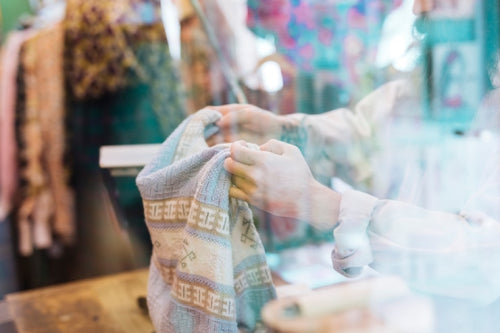
In an era dominated by fast fashion's relentless churn, a quiet revolution is taking shape, woven one thread at a time. Handwoven scarves, imbued with intricate designs and deep cultural resonance, are emerging as emblems of craftsmanship in the global fashion landscape. These are not mere accessories but narratives, crafted by artisans who channel centuries-old traditions into every dye and knot. Platforms like IndieHaat are at the forefront, bridging rural weavers with a worldwide audience, championing authenticity and sustainability. The scarves and shawls market, valued at $24.72 billion in 2024 and projected to reach $45.88 billion by 2032 with an 8.32% CAGR, underscores the rising allure of handwoven scarves as both ethical and exquisite.
Reviving Craft in a Mechanized Age
Stroll through the vibrant markets of London or Delhi, and you'll notice them: scarves cascading over shoulders, their threads glinting with stories. Unlike their mass-produced counterparts, handwoven scarves embody the spirit of their creators artisans from remote corners of India, Bangladesh, or Kashmir, wielding techniques honed over generations. IndieHaat, a digital marketplace, amplifies these artisan's voices, offering a platform to showcase their creations while ensuring fair compensation. This model resonates with a growing cohort of conscious consumers driving the handicrafts market toward a projected $1.94 trillion by 2033, propelled by a thirst for unique, artisanal goods.
This revival transcends aesthetics; it's a rebellion against disposable fashion. Crafted from natural fibers like silk, cotton, or pashmina, handwoven scarves boast remarkable longevity cotton garments, with proper care, can endure over two decades. They stand in stark contrast to the synthetic deluge clogging landfills. The handloom products market, valued at $8.32 billion in 2024 and expected to grow at a 9.24% CAGR through 2032, reflects a consumer shift toward textiles that carry cultural and environmental weight.
Blending Heritage with Innovation
Handwoven scarves thrive at the intersection of tradition and modernity. Artisans are reimagining ancient techniques to create pieces that resonate in both local bazaars and global fashion capitals. In Gujarat's Kutch region, weavers craft scarves bursting with geometric patterns and vivid hues, captivating international designers. In Kashmir, the talim system, a precise notation method rooted in Arabic, guides artisans in weaving intricate shawls on vertical looms a process as rhythmic as it is meticulous.
Technology, surprisingly, is a key ally. While looms remain hand-operated, digital platforms expand artisan's reach, and some use software to safeguard patterns at risk of fading into obscurity. This fusion of heritage and innovation fuels a global demand for authenticity. The scarf market, valued at $22.5 billion in 2024 and projected to climb to $32 billion by 2033 with a 3.9% CAGR, thrives on this balance. Consumers aren't merely purchasing scarves; they're investing in cultural continuity.
Sustainability weaves another vital thread. As the environmental cost of fast fashion mounts, handwoven scarves crafted with natural materials and minimal energy offer a greener path. They align with the slow fashion ethos, prioritizing durability over disposability. In India, government support, including subsidies for handloom cooperatives, bolsters this shift. Coupled with the rise of e-commerce, the handloom product market is poised to reach $17 billion by 2033, growing at an 8.1% CAGR, as consumers embrace ethical alternatives.
Regional Artistry, Global Resonance
To grasp the allure of handwoven scarves, consider their origins. In Kutch, artisans weave scarves that pulse with the desert's energy bold reds and blues forming geometric motifs, each piece a cultural heirloom. Often crafted by women juggling looms with daily life, these textiles are gaining international acclaim, with designers weaving Kutch patterns into luxury collections.
Kashmiri Pashmina, synonymous with elegance, represents another pinnacle. Woven from the fine wool of Changthangi goats, these scarves are so delicate they can slip through a ring. Guided by the talim system, artisans ensure flawless motifs, making Pashmina a global icon Asia Pacific commanded a 37.86% share of the scarves and shawls market in 2024, with Kashmir at the forefront. IndieHaat emphasizes the cultural roots of each piece, sharing the stories that make them more than mere fabric.
In Andhra Pradesh, South India's Ikat scarves dazzle with their distinctive blur, achieved by dyeing threads before weaving. The result is a vibrant, nuanced textile prized by craftsmanship enthusiasts. These regional techniques are not merely enduring; they're flourishing, thanks to partnerships between artisans and designers who recognize their global potential.
Challenges at the Loom
Despite their charm, handwoven scarves face significant obstacles. Preserving these techniques is daunting when mechanized production offers faster, cheaper alternatives. Younger generations often abandon weaving for urban opportunities, leaving villages with dwindling expertise. The scarves and shawls market, valued at $25 billion in 2023 and projected to reach $49.17 billion by 2033 with a 7% CAGR, highlights both opportunity and competition from mass-produced goods.
Cultural erosion looms large. As handwoven scarves gain mainstream traction, there's a risk of diluting their authenticity with generic designs. Supply chain woes sourcing quality materials and ensuring consistent output in remote regions further complicate matters. IndieHaat mitigates these by streamlining logistics and securing natural fibers like silk and wool, but the challenges persist.
Opportunities for Expansion
Yet, the future gleams with promise. Handwoven scarves occupy a unique niche: the demand for singular, story-driven pieces that mass production cannot replicate. IndieHaat leverages this by weaving narratives around each scarf, from the artisan's village to the loom's cadence, resonating with consumers who seek meaning in their purchases.
Tourism offers another avenue. Promoting regional weaves can attract visitors to weaving hubs, invigorating local economies. In India, where Asia Pacific holds a 55.77% share of the handloom market, craft tourism is gaining momentum. Economically, platforms like IndieHaat empower artisans, particularly women, by providing stable income and global visibility a model as sustainable as the textiles themselves.
A Future Woven with Purpose
Draped in a Kutch scarf as I write, I'm reminded of the hands that crafted it. Industry experts foresee handwoven textiles rising in prominence, fueled by consumers who prize authenticity over excess. The scarf market, valued at $3.2 billion in 2024 and expected to reach $5.1 billion by 2033 with a 6.5% CAGR, reflects this trend.
For brands, the strategy is clear: forge direct connections with artisans, highlight the cultural significance of each piece, and uphold ethical standards. IndieHaat leads by example, and others should take note. Handwoven scarves are more than fashion they're a testament to human ingenuity in a world prone to forgetting it. The next time you drape a scarf around your neck, pause. Feel its threads. You're not just wearing fabric; you're carrying a legacy forward.
Disclaimer: The above helpful resources content contains personal opinions and experiences. The information provided is for general knowledge and does not constitute professional advice.
You may also be interested in: Discover Maheshwari Tissue Silk Saree: Handcrafted Beauty
Fast fashion erodes cultural heritage, sidelining artisans and reducing traditions to trends. At IndieHaat, we champion India's craftspeople with handcrafted sarees, apparel, décor, and skincare rooted in authenticity. Each piece embodies skill and ethical care. Support artisans and preserve India's timeless legacy Shop Now!
Powered by flareAI.co