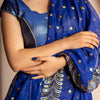
Handwoven Sarees Reflect Growing Preference for Cultural Authenticity

Quick Listen:
In the soft glow of a village loom in Varanasi or the rhythmic clack of a handloom in Maheshwar, something profound is unfolding. Women and men are weaving not merely fabric, but a deliberate counterpoint to the relentless pace of fast fashion. Handwoven sarees, long revered as emblems of tradition for festivals and family occasions, are experiencing renewed appreciation among discerning wearers worldwide who seek genuine cultural authenticity amid mass-produced uniformity.
Fast fashion erodes cultural heritage, sidelining artisans and reducing traditions to trends. At IndieHaat, we champion India's craftspeople with handcrafted sarees, apparel, décor, and skincare rooted in authenticity. Each piece embodies skill and ethical care. Support artisans and preserve India's timeless legacy Shop Now!
The Enduring Appeal of Handloom Craftsmanship
Step into a modern wardrobe and you may notice a richly textured Kanjeevaram silk or an airy Chanderi cotton gracefully draped across the shoulder. Far from outdated relics, these garments embody a deliberate preference for items infused with narrative, meticulous skill, and the unmistakable imprint of human artistry over automated production.
Handwoven sarees take shape gradually, thread by thread, often requiring days or even weeks of focused labor. Every motif carries regional significance floral elements drawn from the natural world, geometric patterns echoing ancient temple carvings, or understated stories transmitted across generations of weavers. This storytelling quality elevates them beyond ordinary attire into wearable expressions of heritage.
The Rising Value of Cultural Authenticity
At a time when fashion trends flicker in and out within weeks, many consumers yearn for substance and meaning. Fast fashion delivers affordability and speed, yet frequently exacts a heavy toll through environmental harm and compromised labor standards. Handwoven sarees offer a compelling alternative, reflecting core principles of patience, expertise, and regard for both communities and the natural world.
This evolution mirrors a wider societal shift. Individuals increasingly wish to understand the origins of their clothing and to select pieces that feel intimate and significant rather than impersonal. A handwoven saree fulfills this longing with elegance, connecting time-honored methods with contemporary tastes and enabling wearers to celebrate cultural identity alongside conscious values.
Sustainability Inherent in Traditional Weaving
Handloom processes commonly utilize natural fibers including cotton, silk, and linen materials that are often biodegradable and produced with limited chemical use. The method demands considerably less energy and water than large-scale industrial manufacturing. Traditional plant-derived dyes further lighten the environmental burden.
Such harmony with responsible practices has drawn attention within the broader sustainable fashion movement . Growing awareness of fast fashion's damaging effects has encouraged greater adoption of ethical alternatives. Innovations in sustainable materials, such as plant-based options, continue to support this positive direction.
Selecting a handwoven saree supports clothing creation with a modest footprint garments that can be cherished for decades and occasionally passed along as cherished family heirlooms. It represents a tangible contribution to waste reduction through thoughtful, enduring style.
The Artisans and Communities Behind Each Piece
At the core of every handwoven saree are the skilled artisans whose expertise sustains entire weaving communities across India. These practitioners have safeguarded techniques refined over centuries. Purchasing such a saree helps maintain these livelihoods and the invaluable cultural wisdom they preserve.
Numerous weavers, including many women balancing domestic duties with their craft, discover economic independence and dignity through their looms. Younger artisans apprenticing with elders ensure that traditional patterns endure. Renewed interest in handwoven sarees bolsters these groups, enhancing their recognition and providing more equitable prospects in the marketplace.
Distinct Regional Treasures to Explore
- Banarasi silk sarees: Celebrated for opulent gold zari detailing and elaborate floral patterns, these luxurious silks evoke the grandeur of Varanasi's royal heritage.
- Kanjeevaram silks: Originating in Tamil Nadu, they feature bold contrasting borders and temple-inspired motifs that convey vibrant cultural depth.
- Maheshwari cottons and silks: Lightweight with reversible borders, they capture the refined simplicity characteristic of central India.
- Chanderi fabrics: Delicate and translucent, frequently combining cotton and silk for versatile elegance suited to daily refinement or festive occasions.
Each weaving region contributes its unique character, enriching the overall diversity of this singular garment form.
Harmonizing Heritage with Modern Wardrobes
Today's enthusiasts are discovering inventive approaches to integrating handwoven sarees into everyday life. Traditional draping remains popular for weddings and cultural celebrations, while creative pairings with modern blouses, structured jackets, or fusion elements like denim allow seamless adaptation. Forward-thinking designers are reinterpreting these classics for contemporary runways and daily wear, demonstrating that authentic heritage can feel remarkably current.
This flexibility underpins their fresh relevance. Depending on styling choices, a handwoven saree transitions effortlessly from formal events to relaxed gatherings. Such adaptability empowers individuals to honor their cultural background while expressing personal taste freely.
Choosing with Purpose in a Growing Market
With rising appreciation comes the need for informed selection. Authentic handloom pieces reveal subtle variations in weave that attest to handmade quality, along with the natural hand-feel of fibers and transparent connections to established artisan clusters. Partnerships with cooperatives and brands that collaborate directly with weavers help direct benefits where they matter most.
The ethical fashion landscape reflects a steady expansion driven by demand for mindful production. Reports indicate the sustainable fashion sector valued at approximately USD 10.40 billion in 2024, with apparel forming a significant portion due to heightened interest in ethical and eco-friendly options. Yet the deeper significance resides in real-world effects on artisan's lives and community resilience rather than broad numerical projections.
Addressing Common Inquiries About Handwoven Sarees
Prospective buyers often ask whether these garments suit regular use. Suitability varies by fabric weight: lighter cottons and silks prove ideal for warmer conditions and frequent wear, whereas richer varieties excel for special moments. Maintenance is uncomplicated gentle hand washing or professional dry cleaning helps retain their allure over many years.
Questions about pricing also arise. Handwoven sarees typically command a premium reflecting the investment of time, expertise, and quality materials. Considered as long-term acquisitions in both craftsmanship and significance, they commonly provide greater longevity than disposable alternatives.
Looking Ahead: A Conscious Path Forward
The renewed prominence of handwoven sarees points toward an encouraging future. By embracing them, individuals cast a meaningful vote for a more deliberate fashion ethos one that prioritizes human ingenuity, celebrates cultural variety, and demonstrates environmental stewardship.
The next time you drape a handwoven saree, take a brief pause. Sense the distinctive texture created by practiced hands. Reflect on the weaver at the loom, perhaps accompanied by a traditional melody as the design emerges. Within that single piece rests a resonant affirmation that authenticity retains its power, and that items fashioned with intention can outlast passing fads.
In an age accelerating toward sameness, these sarees gently encourage a slower rhythm, an appreciation for the singular, and the continuation of traditions that enrich collective experience. They transcend mere clothing to become subtle tributes to human connection in a progressively mechanized era.
Frequently Asked Questions
Why are handwoven sarees considered a sustainable fashion choice?
Handwoven sarees are made using natural fibers like cotton, silk, and linen that are biodegradable and produced with minimal chemical use. The handloom process consumes significantly less energy and water than industrial manufacturing, and traditional plant-based dyes further reduce environmental impact. Because they're crafted to last for decades and can even be passed down as heirlooms they actively counter the waste cycle driven by fast fashion.
What are the most popular types of handwoven sarees and what makes each unique?
Some of the most celebrated regional varieties include Banarasi silk (known for opulent gold zari work and floral patterns), Kanjeevaram silk from Tamil Nadu (recognized for bold contrasting borders and temple-inspired motifs), Maheshwari cotton-silk blends (prized for their lightweight reversible borders), and Chanderi fabrics (delicate and translucent, blending cotton and silk for everyday or festive wear). Each style reflects the distinct cultural identity and weaving traditions of its region of origin.
Can handwoven sarees be worn for everyday use, or are they only for special occasions?
Handwoven sarees are versatile enough for both daily wear and formal events, depending on the fabric weight and styling. Lighter cottons and silks work well in warm weather and for regular use, while richer varieties like Banarasi or Kanjeevaram silks shine at celebrations. Modern styling approaches such as pairing them with structured jackets, contemporary blouses, or fusion elements have made handwoven sarees increasingly relevant for everyday wardrobes.
Disclaimer: The above helpful resources content contains personal opinions and experiences. The information provided is for general knowledge and does not constitute professional advice.
You may also be interested in: The Cultural Legacy Behind Indias Handwoven Silk Sarees
Fast fashion erodes cultural heritage, sidelining artisans and reducing traditions to trends. At IndieHaat, we champion India's craftspeople with handcrafted sarees, apparel, décor, and skincare rooted in authenticity. Each piece embodies skill and ethical care. Support artisans and preserve India's timeless legacy Shop Now!
Powered by flareAI.co