Handwoven Sarees Adapt to Contemporary Wardrobes
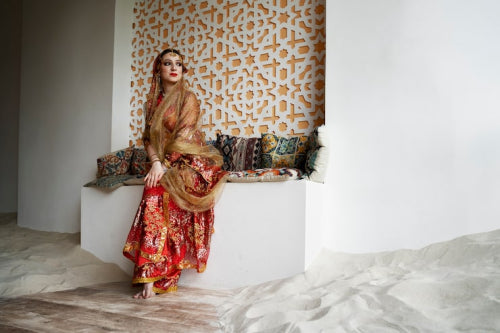
In the swirl of fast fashion and algorithmic trends, a quiet revival is taking place one thread at a time. Handwoven sarees, once largely reserved for ceremonial occasions and older generation's wardrobes, are now finding their way into daily routines with remarkable ease. Women are pairing them confidently with tailored blazers for professional settings, draping breathable cottons over jeans for casual brunches, and even reimagining the classic six-yard length into modern silhouettes like statement skirts or layered looks. This evolution demonstrates that heritage textiles and contemporary lifestyles can coexist beautifully.
Fast fashion erodes cultural heritage, sidelining artisans and reducing traditions to trends. At IndieHaat, we champion India's craftspeople with handcrafted sarees, apparel, décor, and skincare rooted in authenticity. Each piece embodies skill and ethical care. Support artisans and preserve India's timeless legacy Shop Now!
The Enduring Versatility of Handwoven Sarees
What gives a handwoven saree its lasting charm is its natural adaptability. Machine-made fabrics often appear uniform and impersonal, whereas handloom pieces bear the subtle marks of human craftsmanship gentle variations in texture, a soft natural sheen, and superior breathability that enhance comfort throughout the day. Modern wearers are increasingly appreciating how these qualities integrate seamlessly into busy schedules and diverse wardrobes.
Consider a lightweight cotton saree originating from regions like Bengal or Tamil Nadu. It drapes with fluid grace while allowing ease of movement, making it suitable for everything from office hours to evening gatherings. Stylists and designers have embraced this potential, demonstrating creative ways to combine traditional drapes with current separates such as tucking a plain handloom saree into high-waisted trousers or layering it over a sleek slip dress for refined occasions. The outcome feels current yet respectful of the garment's deep cultural foundations.
Growing Interest Driven by Authenticity and Conscious Choices
This renewed attention stems from a wider desire for genuine clothing in an era dominated by synthetic materials and short-lived trends. Many consumers, weary of mass-produced uniformity, are drawn to natural fibers and traditional weaving methods. Handwoven sarees align perfectly with these values, offering inherent sustainability through resource-efficient production that supports skilled artisans and vibrant local economies.
In India, where millions of artisans keep these age-old techniques alive, the saree continues to stand out as a vital part of the handloom landscape. Its appeal extends beyond borders, resonating with cultural pride domestically and attracting global buyers who value the narrative and craftsmanship embedded in each piece.
Market insights reflect this momentum. The global handloom product market reached approximately USD 9.0 billion in 2025, with apparel and accessories forming a leading portion. Sarees contribute significantly to this segment, fueled by cultural heritage and diaspora connections, underscoring strong demand for authentic, sustainable textiles.
Practical Styling Ideas for Today's Wardrobes
Adapting handwoven sarees to contemporary life relies more on thoughtful styling than on overhauling the garment itself. Women are exploring varied draping approaches the sharper Gujarati fold for a structured look or a relaxed half-saree style paired with palazzo pants for greater mobility during active days.
- Team a subtle ikat or jamdani saree with a crisp white shirt and slim belt to create a sophisticated workday outfit.
- Drape a lively silk-cotton blend over denim for an effortlessly elevated weekend ensemble.
- Transform a lightweight handloom piece into a striking shawl layered over Western formal attire for cultural celebrations or fusion events.
Accessories complete the transition. Delicate gold jewelry, contemporary footwear like sneakers, or a structured handbag can harmoniously connect tradition with modern sensibilities, allowing the saree to shine without feeling forced.
Sustainability as a Key Catalyst for Revival
Rising environmental awareness has further propelled interest in handloom textiles. These fabrics frequently utilize natural dyes and fibers such as cotton, prized for comfort and minimal ecological footprint. Choosing a handwoven saree means supporting both planetary health and the communities behind the craft.
Reports highlight robust demand for such ethical and culturally meaningful products. While precise projections differ, the sector demonstrates healthy growth as buyers prioritize items with verifiable origins and reduced environmental impact. This shift encourages more conscious consumption patterns that favor longevity over disposability.
Navigating Challenges While Unlocking Opportunities
Handloom weavers encounter ongoing realities, including market pressures and the importance of fair recognition and compensation. Encouragingly, direct-to-consumer platforms and artisan cooperatives are narrowing these divides by fostering better connections between creators and appreciative buyers.
For those who wear them, the rewards are substantial. A thoughtfully selected handwoven saree becomes a wardrobe staple that gains character over time, carries meaningful stories, and lends itself to endless restyling. It represents clothing with depth and resilience rather than seasonal disposability.
Collaborations That Honor Tradition and Innovation
Emerging designers often partner with experienced weavers to develop collections that preserve classic motifs while introducing fresh color stories or streamlined details. Such collaborations keep the craft dynamic and relevant, producing sarees that feel grounded in history yet perfectly suited to women balancing varied roles and personal styles in daily life.
Addressing Common Questions and Misconceptions
Those new to handloom sarees frequently ask whether the fabrics are overly delicate or challenging to maintain. Quality cotton and cotton-silk varieties prove quite durable, typically needing nothing more than gentle hand washing. Draping concerns are also common; with a bit of practice and accessible tutorials, the skill develops quickly. Many brands now provide pre-pleated or ready-to-wear variations for time-pressed individuals.
“The beauty of handloom lies in its imperfection that slight unevenness is what gives it life and distinguishes it from mass-produced cloth.”
Cost questions surface as well. Premium silk options may carry higher prices, yet everyday cotton handloom sarees offer excellent accessibility and long-term value through their durability and styling flexibility.
A Tradition That Continues to Evolve
Handwoven sarees are far from outdated relics; they remain vibrant garments discovering fresh expressions across contexts. As increasing numbers of women incorporate them into modern wardrobes for comfort, aesthetic appeal, or mindful living the entire craft receives fresh vitality and purpose.
Amid transient fashion cycles, these textiles provide something more meaningful: a tangible link to artisanal expertise, appreciation for natural resources, and the understated assurance that comes with garments rich in history and intention. The enduring six-yard form is adapting gracefully, illustrating that genuine style often emerges through considered evolution instead of abrupt change. In embracing this balance, wearers not only honor a living heritage but also participate in its thoughtful continuation.
Frequently Asked Questions
How can I style a handwoven saree for everyday modern wear?
Handwoven sarees can be effortlessly integrated into daily outfits through creative draping and pairing. Try teaming a subtle ikat or jamdani saree with a crisp white shirt and slim belt for a polished workday look, or drape a silk-cotton blend over denim for a relaxed weekend ensemble. Accessories like contemporary footwear, structured handbags, or delicate gold jewelry help bridge traditional and modern aesthetics seamlessly.
Are handwoven sarees sustainable and eco-friendly?
Yes handwoven sarees are among the most sustainable clothing choices available today. They are typically crafted from natural fibers like cotton, often dyed with natural dyes, and produced through resource-efficient methods that support skilled artisans and local economies. Choosing a handloom saree aligns with conscious consumption values, favoring longevity and ethical production over fast fashion's disposability.
Are handwoven sarees difficult to maintain or too delicate for regular use?
Quality cotton and cotton-silk handloom sarees are surprisingly durable and easy to care for gentle hand washing is usually all that's needed. While premium silk varieties may require extra care, everyday handloom options offer excellent value through their durability and versatile styling potential. For those new to draping, many brands now offer pre-pleated or ready-to-wear options, and accessible tutorials make the skill quick to learn.
Disclaimer: The above helpful resources content contains personal opinions and experiences. The information provided is for general knowledge and does not constitute professional advice.
You may also be interested in: How Handloom Traditions Are Adapting to Contemporary Lifestyles
Fast fashion erodes cultural heritage, sidelining artisans and reducing traditions to trends. At IndieHaat, we champion India's craftspeople with handcrafted sarees, apparel, décor, and skincare rooted in authenticity. Each piece embodies skill and ethical care. Support artisans and preserve India's timeless legacy Shop Now!
Powered by flareAI.co