Handmade Dress Material Price: Understanding Craft Value
Picture a weaver in a quiet Indian village, her hands deftly guiding a loom as threads of silk intertwine to form a saree that shimmers with history. Each piece she crafts is unique, a testament to skill honed over generations. Yet, when you scroll through IndieHaat's curated collections or Instagram feeds showcasing such artistry, the price often raises eyebrows. Why does a handwoven textile cost so much more than a factory-made one? The answer lies in the craft itself hours of labor, premium materials, and a global movement toward sustainable, authentic fashion that values heritage over haste.
Handmade Dress Materials
The handmade textile industry is booming, fueled by a growing appetite for authenticity. According to a 2024 report, the global textile market, valued at USD 1,976.84 billion, is projected to reach USD 4,016.50 billion by 2034, with a compound annual growth rate (CAGR) of 7.35%, driven by demand for natural fibers like linen, silk, and cotton. Asia Pacific, with a commanding 54% market share, remains the epicenter, with India's artisans at the forefront. Platforms like IndieHaat, sourcing directly from these craftsmen, deliver fabrics that embody cultural legacy and eco-conscious values. But this authenticity comes at a cost premium materials and labor-intensive processes naturally elevate prices.
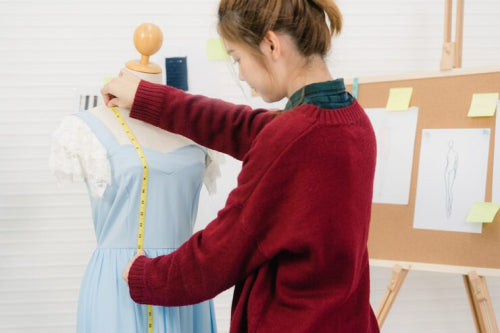
Unlike mass-produced garments churned out by machines, handmade dress materials require days, sometimes weeks, of meticulous work. A single linen kurta or silk saree might involve hand-dyeing, weaving, and embroidery, each step infused with an artisan's expertise. IndieHaat's model cutting out middlemen to connect artisans with global consumers in regions like the US, UK, Singapore, Australia, and the UAE ensures quality but doesn't erase the inherent costs of time and skill. These pieces aren't just fabric; they're stories woven into every thread.
The Surge of Sustainable Fashion
The world is waking up to the environmental toll of fast fashion. A 2024 study estimates the global handicrafts market at USD 739.95 billion, with a projected growth to USD 983.12 billion by 2030, growing at a CAGR of 4.9%. The Asia Pacific region, holding a 34.81% share, leads this shift, driven by consumers who prioritize eco-friendly, handmade goods over mass-produced alternatives. This trend is particularly strong in IndieHaat's target markets, where ethical consumerism is reshaping purchasing habits.
In 2020, research highlighted the failure of large companie's voluntary efforts to reform textile supply chains, underscoring the need for standardized certifications and policies like eco-tariffs to combat greenwashing. IndieHaat sidesteps these pitfalls by focusing on authentic, sustainable fabrics linen, silk, and cotton sourced directly from artisans. The handloom products market, valued at USD 8.32 billion in 2024, is expected to grow to USD 16.62 billion by 2032, with a CAGR of 9.24%, reflecting a hunger for culturally significant, sustainable textiles.
The post-COVID era has accelerated online shopping, with social media platforms like Instagram, Facebook, and YouTube becoming vital marketplaces. Artisans like those behind anilarubyraj and ani_lakshmi use Instagram to showcase their work, connecting directly with buyers from Singapore to the UK. This digital bridge has made handcrafted textiles more accessible, but it also introduces challenges, particularly around pricing and trust.
Confronting the Price Barrier
High pricing is the most common objection to handmade dress materials. The labor-intensive nature of handweaving or hand-embroidering, combined with the cost of premium fabrics, results in a higher price point than machine-made alternatives. A single silk saree might take an artisan 15 days to complete, each thread carefully placed to create a unique design. For consumers accustomed to fast fashion's low costs, this can feel like a leap. IndieHaat's feedback highlights this concern, with some questioning the value of a piece they can't touch before buying.
Trust is another hurdle. Online shoppers, especially in markets like the US and Australia, often hesitate to purchase without feeling the fabric's texture or seeing its sheen up close. The custom-made clothes market, valued at USD 79.25 billion in 2024 and projected to reach USD 156.73 billion by 2033 at a CAGR of 8.90%, thrives on personalization. Yet, without physical interaction, convincing consumers of a product's worth requires more than just a pretty picture.
IndieHaat tackles these objections through transparency. Detailed product descriptions, including the artisan's story, the weaving process, and the fabric's origin, help bridge the gap. Videos showcasing artisans at work or close-ups of the fabric's texture add a virtual tactile experience, addressing the “touch and feel” concern. By emphasizing the authenticity of their materials and direct sourcing, IndieHaat builds credibility, reassuring buyers that their investment supports real craftsmanship.
The Power of Narrative
Every handmade piece has a story, and telling it is key to unlocking its value. A cotton dupatta isn't just cloth it's the work of an artisan in Rajasthan who spent days dyeing it with natural indigo. IndieHaat leverages platforms like Instagram and YouTube to share these narratives, transforming products into experiences. A 2020 analysis noted that sustainable fashion requires systemic changes, like certifications, to move beyond greenwashing. IndieHaat's focus on direct artisan partnerships and authentic fabrics aligns with this call for transparency, fostering trust and justifying higher prices.
Social media amplifies this storytelling. A quick scroll through svishala74 or drminimalhotra reveals vibrant reels of artisans at their looms, their hands moving with practiced grace. These glimpses into the creative process resonate with consumers, particularly younger ones in the US and UK, who value authenticity and sustainability. By pairing these stories with quality guarantees like certifications of fabric purity or return policies IndieHaat addresses trust deficits and enhances perceived value.
Seizing Global Opportunities
The global handicraft market, valued at USD 1,107.67 billion in 2024, is on track to reach USD 2,397.15 billion by 2032, with a CAGR of 10.15%. The US market alone is expected to hit USD 627.86 billion, signaling immense potential for platforms like IndieHaat. By targeting key regions India, US, Singapore, Australia, UK, and UAE IndieHaat can capitalize on this growth, offering unique, handcrafted designs that stand out in a sea of mass-produced goods.
Sustainability is a powerful draw. Consumers in Singapore and Australia, increasingly eco-conscious, are drawn to IndieHaat's use of natural fibers and ethical sourcing. Collaborations between artisans and designers, showcased on social media, blend traditional craftsmanship with modern aesthetics, appealing to fashion-forward buyers. These partnerships, highlighted by profiles like varshaoak, create a bridge between heritage and contemporary style, expanding IndieHaat's reach.
A Lasting Legacy
The price of a handmade dress material reflects more than just fabric it's a tribute to the artisan's skill, the cultural heritage preserved in each design, and a commitment to a sustainable future. As the textile and handicraft markets soar, IndieHaat stands at the forefront, championing authenticity in a world dominated by disposability. By addressing pricing concerns with transparency, building trust through storytelling, and leveraging social media's global reach, IndieHaat isn't just selling textiles it's preserving a craft and inviting consumers to invest in a legacy. The next time you pause at the cost of a handwoven piece, consider this: you're not just buying a saree or kurta. You're supporting a tradition, a community, and a greener tomorrow.
Frequently Asked Questions
Why are handmade dress materials more expensive than machine-made fabrics?
Handmade dress materials cost more because they require days or weeks of meticulous craftsmanship by skilled artisans. A single silk saree can take an artisan 15 days to complete, with each thread carefully placed to create unique designs. The combination of labor-intensive processes like hand-dyeing, weaving, and embroidery, plus premium natural materials like silk, linen, and cotton, naturally elevates the price compared to mass-produced alternatives.
What makes handwoven textiles sustainable and eco-friendly?
Handwoven textiles are sustainable because they use natural fibers like linen, silk, and cotton sourced directly from artisans, avoiding the environmental damage of fast fashion. Unlike mass production, traditional weaving methods have minimal environmental impact and preserve cultural heritage. The global handicrafts market is growing at 10.15% CAGR partly due to consumers choosing eco-conscious, authentic handmade goods over disposable fashion items.
How can I trust the quality of handmade dress materials when buying online?
Look for platforms that provide transparency through detailed product descriptions, including the artisan's story, weaving process, and fabric origin. Quality indicators include videos showcasing artisans at work, close-up fabric textures, certifications of fabric purity, and clear return policies. Direct sourcing from artisans, rather than through multiple middlemen, also ensures authenticity and supports the craftspeople who create these unique pieces.
Disclaimer: The above helpful resources content contains personal opinions and experiences. The information provided is for general knowledge and does not constitute professional advice.
You may also be interested in: Eco-Friendly Apparel Gains Traction Among Conscious Consumers
Fast fashion erodes cultural heritage, sidelining artisans and reducing traditions to trends. At IndieHaat, we champion India's craftspeople with handcrafted sarees, apparel, décor, and skincare rooted in authenticity. Each piece embodies skill and ethical care. Support artisans and preserve India's timeless legacy Shop Now!
Powered by flareAI.co