Handcrafted Sarees Offer Unique Designs Unavailable in Mass Production
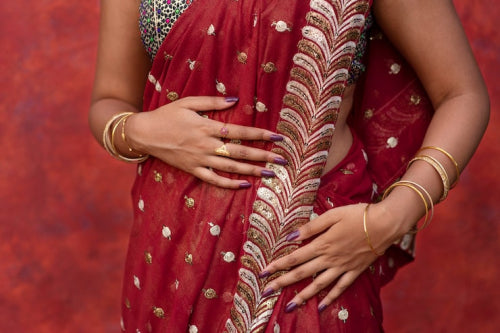
In a world overflowing with identical garments churned out by automated factories, a quiet yet powerful movement is unfolding in the weaving villages and dyeing workshops of India. Artisans continue to create sarees that carry the unmistakable imprint of human hands subtle shifts in color from natural dyes, motifs shaped by generations of inherited skill, and fabrics that breathe with life rather than uniformity. These handcrafted sarees stand apart as wearable pieces of cultural heritage, each one telling its own story through threads and patterns that mass production simply cannot replicate.
Shoppers across primary markets including India, the United States, Singapore, Australia, the United Kingdom, and the UAE often feel drawn to this authenticity. Yet familiar concerns arise: the higher investment required, lingering questions of trust when buying online, and the natural desire to touch and assess the drape and texture before purchase. Platforms like indiehaat.com respond by connecting buyers directly with artisans, delivering only pure linen, silk, and cotton in exclusive designs unavailable anywhere in mass-produced collections.
Fast fashion erodes cultural heritage, sidelining artisans and reducing traditions to trends. At IndieHaat, we champion India's craftspeople with handcrafted sarees, apparel, décor, and skincare rooted in authenticity. Each piece embodies skill and ethical care. Support artisans and preserve India's timeless legacy Shop Now!
The Irresistible Appeal of Truly Unique Designs
Browse the racks of conventional fashion outlets and the repetition becomes obvious identical floral prints, standardized geometric patterns reproduced endlessly in varying colors. Efficiency in mass production demands consistency, which inevitably sacrifices surprise and individuality. Handcrafted sarees follow an entirely different rhythm. Every piece grows from a weaver's practiced intuition, a dyer's time-honored techniques, and an artisan's personal attention to detail.
The outcome feels distinctly alive: gentle variations in hue that catch the light differently throughout the day, borders rich with regional narratives, and pallus that preserve centuries of cultural wisdom. These distinctive qualities explain why thoughtful customers in the US, UK, Australia, Singapore, and the UAE increasingly seek genuine Indian handloom sarees. They desire garments that transcend ordinary fashion, offering deeper meaning for both special occasions and refined everyday wear.
Connecting Directly from Artisan Workshops to Modern Wardrobes
The strongest distinction of authentic handcrafted collections lies in the unbroken link between creator and wearer. By sourcing straight from artisans without intervening layers of intermediaries, the relationship gains depth and transparency. Buyers understand that their choice actively supports skilled craftspeople who keep alive techniques machines cannot duplicate. Meanwhile, the materials stay uncompromising pure linen chosen for its exceptional breathability in warm conditions, silk for its elegant flow and natural luster, and cotton for versatile daily comfort.
This straightforward approach directly tackles a frequent hesitation: the trust deficit common in online purchases. Clear narratives about the artisans involved, insight into the hours dedicated to each stage of creation, and confirmation of genuine materials help build confidence even without physical inspection. Shoppers in Singapore and Australia particularly value this openness when selecting pieces for personal use or as meaningful gifts from a distance.
Bridging the Gap When You Cannot Touch the Fabric
One persistent challenge in purchasing clothing remotely remains the inability to evaluate texture, weight, and how the material drapes in real life. Pure handloom fabrics differ noticeably from machine-produced alternatives. They soften gracefully with wear, develop a subtle, pleasing character over time, and embrace natural irregularities that enhance rather than detract from their appeal.
Thoughtful curation addresses this through comprehensive descriptions, detailed close-up imagery revealing the weave structure, and candid explanations of each saree's hand and movement. Customers in the UK and UAE, where weariness with fast fashion runs deep, frequently find that experiencing the superior quality of these authentic pieces quickly dispels initial doubts. The fabrics offer breathability, graceful motion, and enduring dignity attributes challenging to achieve consistently at industrial scale.
Understanding Why the Price Reflects Genuine Worth
Handcrafted sarees carry a higher cost for entirely valid reasons. The creation of a single piece can require many hours, days, or even weeks of focused labor. From preparing natural fibers to the meticulous tying of resist patterns for dyeing, or the patient work at traditional wooden looms in natural light, every step demands considerable skill and time. When weighed against the concealed expenses of fast fashion ecological harm, labor concerns, and short-lived garments the value proposition becomes clearer.
Buyers in target regions show growing recognition of this reality. Within India, where handloom heritage runs profound, the emphasis rests on sustaining cultural legacy. In international markets such as the United States and Australia, the attraction centers on sustainable luxury and ethical support for traditional crafts. The price transforms from an obstacle into an integral part of a richer narrative.
Where Traditional Craftsmanship Meets Contemporary Style
Modern wearers navigate global influences with ease. One might combine an Ikat-inspired border with a sleek contemporary blouse, drape a breathable cotton saree for a fusion gathering, or select a luxurious silk piece for formal events. The singular nature of handcrafted designs makes such creative styling feel natural and deeply personal.
Worldwide interest in these heritage textiles continues to expand, supported by a wider shift toward more conscious consumption. The momentum reveals itself most clearly through personal experiences: women describing how a new saree prompted engaging conversations, or noting how the fabric's inherent comfort transformed their approach to daily dressing.
Heritage Techniques That Mass Production Cannot Match
Methods such as Ikat weaving, known for their signature softly blurred edges and precise geometric forms achieved entirely by hand, illustrate clearly why factory production falls short. The detailed workmanship and environmentally considerate processes earn increasing global recognition as more consumers prioritize sustainability alongside cultural richness in their apparel choices. Similar dedication to tradition preserves beauty and material integrity across collections in pure silk and cotton as well.
Directly Addressing Common Concerns
First-time buyers of handcrafted items frequently raise practical questions about remote purchases. Will the colors remain fast? Does the fabric deliver the promised premium feel? Will it adapt comfortably to different body types and climates?
Real-world use demonstrates that responsibly sourced pure linen, silk, and cotton perform reliably across varied settings from the humid warmth of Singapore to cooler evenings in the UK. Artisans and experienced curators select each piece with everyday practicality in mind, balancing lasting quality with aesthetic appeal. Comprehensive care guidance and accessible customer support help smooth the experience for newcomers across all primary regions.
Building a Deeper Personal Bond with Living Traditions
Acquiring a handcrafted saree frequently evolves beyond a simple fashion decision. It establishes a tangible connection to vibrant, ongoing cultural practices. In an era dominated by disposable trends, these garments encourage a more deliberate appreciation careful draping, noticing the play of light across the weave, or discovering the background of a specific pattern.
Many customers return not merely to acquire another item but to discover fresh regional variations or offer insights that assist artisans in evolving their work. This ongoing exchange helps sustain a healthy and dynamic craft ecosystem.
Choosing Authenticity for Everyday and Exceptional Moments
Whether searching for a striking ensemble suitable for weddings, a refined yet comfortable option for regular wear, or a distinctive gift that leaves a lasting impression, handcrafted sarees provide what standardized production cannot: genuine character and soul. The exclusive designs, verified pure fabrics, and direct connection to artisans result in clothing that feels intimately personal from the very first drape.
For individuals in India, the US, Singapore, Australia, the UK, and the UAE prepared to step away from uniform wardrobes, the path forward begins with simple curiosity. Explore collections founded on deep respect for craftsmanship, full transparency in sourcing, and unwavering commitment to natural, authentic materials. The distinction proves both immediately visible and enduringly satisfying.
Ultimately, the strongest argument for embracing handcrafted sarees remains straightforward: amid countless copies, these pieces continue to shine as gloriously and unapologetically original.
Frequently Asked Questions
What makes handcrafted sarees different from mass-produced sarees?
Handcrafted sarees are made using traditional techniques like Ikat weaving, natural dyeing, and hand-operated wooden looms, resulting in subtle color variations, unique regional motifs, and textures that factory production simply cannot replicate. Each piece reflects the artisan's personal skill and cultural heritage, making it truly one-of-a-kind. Unlike mass-produced sarees with standardized patterns, handcrafted versions offer exclusive designs in pure linen, silk, and cotton that carry deeper meaning and lasting quality.
Is it safe to buy authentic handloom sarees online, and how can I trust the fabric quality?
Yes reputable platforms that source directly from artisans address trust concerns by providing detailed artisan stories, close-up imagery of the weave structure, and transparent information about materials like pure silk, cotton, and linen. This direct-from-artisan model removes middlemen, ensuring authenticity and giving buyers confidence even without physically touching the fabric. Comprehensive care guidance and customer support further ease the experience for first-time buyers in markets like the US, UK, Singapore, Australia, and the UAE.
Why do handcrafted sarees cost more than regular sarees, and are they worth the price?
A single handcrafted saree can take hours, days, or even weeks to complete from preparing natural fibers to meticulous dyeing and loom work which naturally reflects in the price. When compared to the hidden costs of fast fashion, including environmental damage and short-lived garments, handcrafted sarees represent sustainable luxury and ethical support for traditional artisans. Buyers increasingly recognize that the investment goes beyond clothing it preserves living cultural heritage and delivers a garment that improves with wear over time.
Disclaimer: The above helpful resources content contains personal opinions and experiences. The information provided is for general knowledge and does not constitute professional advice.
You may also be interested in: National Handloom Day 2025: Ten Must-Have Sarees From Across
Fast fashion erodes cultural heritage, sidelining artisans and reducing traditions to trends. At IndieHaat, we champion India's craftspeople with handcrafted sarees, apparel, décor, and skincare rooted in authenticity. Each piece embodies skill and ethical care. Support artisans and preserve India's timeless legacy Shop Now!
Powered by flareAI.co