Handcrafted Pieces Emphasize Quality Over Mass Production
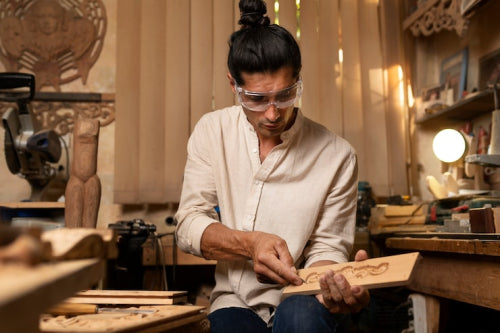
In a world overflowing with uniform products and fleeting trends, a deeper appreciation draws discerning buyers toward objects shaped by skilled human hands. Step into vibrant markets or browse thoughtfully curated collections, and the distinction becomes clear: a subtle yet powerful movement against the impersonal nature of mass production. Handcrafted pieces stand apart by prioritizing exceptional quality, authentic soul, and the rich narratives that only patient craftsmanship can impart.
India's handicrafts sector has established itself as a vital part of the cultural and economic landscape, reflecting strong and sustained interest in traditional skills amid modern lifestyles. Growth in the sector arises from practical shifts greater disposable incomes, enthusiasm for distinctive ethnic décor, easier access through digital platforms, supportive policies, vibrant tourism, and a worldwide preference for sustainable, eco-friendly creations.
Fast fashion erodes cultural heritage, sidelining artisans and reducing traditions to trends. At IndieHaat, we champion India's craftspeople with handcrafted sarees, apparel, décor, and skincare rooted in authenticity. Each piece embodies skill and ethical care. Support artisans and preserve India's timeless legacy Shop Now!
The Irreplaceable Human Touch
Lift a carefully carved wooden tray or trace the texture of an embroidered textile. Those gentle inconsistencies in the wood grain or the nuanced rhythm of each stitch are not imperfections. They serve as living evidence of dedicated artistry. Artisans dedicate countless hours, often working with inherited tools and generational wisdom, ensuring that every creation remains singular.
Mass-produced alternatives focus relentlessly on volume and uniformity. High-speed lines generate countless copies using synthetic components and expedited methods that compromise endurance. Handcrafted work, however, devotes time to sourcing quality natural materials, applying dyes with precision, and perfecting finishes through experienced judgment. The outcome endures gracefully, acquiring character and depth with age in ways factory items rarely achieve.
Why Enduring Quality Resonates Today
Contemporary consumers encounter abundant options yet frequently encounter a sense of uniformity that leaves them unsatisfied. The prevalence of fast fashion and disposable décor promotes frequent turnover whenever styles shift or items degrade quickly. Handcrafted offerings counter this cycle by delivering lasting durability paired with timeless aesthetic appeal.
Imagine a handprinted scarf or pottery formed patiently on a traditional wheel. These rely on methods honed across centuries intricate block printing from hand-carved stamps or wheel-throwing attuned to the subtle guidance of the artisan's palms. Such processes require sustained concentration and expertise, resulting in objects designed for longevity rather than obsolescence.
Buyers now readily perceive the sensory advantages. A handwoven textile drapes with natural elegance, an art metal ware piece offers satisfying heft and balance, while a sculpture interacts beautifully with light in manners that molded synthetics cannot replicate. This genuine superiority transforms the act of acquiring into one of meaningful exploration.
The Personal Stories Woven Into Every Creation
Each handcrafted object carries the presence of its maker, frequently an artisan based in modest workshops or tight-knit village communities spread across India. Regional techniques preserve distinct identities: elaborate zari work in certain locales, luminous pottery glazes elsewhere, or finely executed crochet patterns in others. Far from standardized goods, these pieces embody living cultural heritage.
Selecting a handcrafted item means acquiring more than functional utility. It helps safeguard specialized knowledge that risks fading and bolsters livelihoods grounded in ingenuity instead of mechanical repetition. Many artisans skillfully merge heritage patterns with contemporary sensibilities, preserving foundational methods while refreshing their relevance.
This intimate link fosters emotional resonance that mass production seldom matches. A sculpture or embroidered piece invites discussion not through fleeting fashionability but because evident care and intention infuse every element.
Embracing More Thoughtful Patterns of Consumption
Growing awareness of sustainability significantly influences preferences. Handicrafts typically employ lower-energy techniques and favor natural or repurposed resources, standing in clear contrast to the intensive demands of industrial-scale manufacturing. Individuals committed to environmentally conscious living discover natural harmony in selections that reduce waste and celebrate masterful workmanship.
The expansion of e-commerce has broadened access to these authentic treasures while safeguarding their integrity. Dedicated platforms forge direct or well-vetted connections between buyers and creators, minimizing intermediaries that can diminish value. Enthusiasts can discover woodware, imitation jewelry, or attars and agarbattis with confidence that each choice nurtures genuine skill.
Tourism further enriches the picture. Visitors often return with pottery, textiles, or metalware that serve as enduring mementos of encounters with places and people. Such keepsakes surpass ordinary souvenirs because they capture the inherent quality and individuality of their sources.
Distinguishing Authentic Handcrafted Work
Not every item labeled “handmade” meets the same rigorous criteria. Certain products involve only superficial hand touches atop largely mechanized production. Genuine handcrafted pieces typically display:
- Clear indicators of individual craftsmanship, including minor asymmetries or distinctive tool impressions
- Reliance on time-honored regional materials and techniques
- Openness regarding the artisans or communities responsible
- Robust construction that rewards the investment through extended service life
Specialty outlets and focused online venues contribute by applying strict standards to their offerings. Independent retailers along with select departmental stores may stock authentic examples, although standards differ. Success depends on posing informed questions and relying on sources that value genuineness above sheer quantity.
Simple Steps Toward Prioritizing Quality
Start modestly. Swap a single mass-produced accent for a handcrafted sculpture or handprinted textile and observe its transformative effect on a living space. Gradually assemble collections centered on fewer, superior objects instead of amassing volume for its own sake.
Emphasize versatility in choices. A thoughtfully produced embroidered piece adapts across multiple seasons and uses. Pottery and glass wares elevate routine activities dining, illumination, or display into more deliberate experiences. Even carefully made imitation jewelry provides distinctive character without the ecological burden associated with rapid trend cycles.
Addressing Common Inquiries on Handcrafted Worth
Prospective buyers often question whether the initial investment in handmade items justifies itself. Experience shows that superior longevity frequently offsets the difference. Objects that withstand years of regular use while preserving appeal typically prove more economical than repeated replacements.
Concerns about uniformity also surface. Although handcrafted production naturally accommodates gentle variation, accomplished artisans uphold exacting benchmarks through accumulated expertise and careful oversight. The objective centers on authentic excellence that honors human potential rather than mechanical uniformity.
Questions regarding environmental responsibility appear regularly as well. Conventional artisan approaches generally demand less energy and produce reduced waste compared with large-scale industrial counterparts. Choosing them promotes methods that honor both creators and planetary resources.
Moving Forward With Purposeful Appreciation
The enduring attraction of handcrafted pieces mirrors a wider yearning for substance amid everyday routines. As increasing numbers of buyers favor quality and character over sheer volume, artisans receive renewed opportunities to flourish and transmit their cultural legacies. India's handicrafts domain, organized by diverse regions and encompassing product categories such as woodware, artmetal ware, and zari goods, illustrates how established traditions and present-day expectations can enrich one another.
Opting for handmade does not signify turning away from progress. Rather, it enhances contemporary living by populating surroundings with objects that evoke delight through their distinctiveness and the evident dedication invested in their making. Amid prevailing uniformity, these creations distinguish themselves quietly by representing what truly counts: mastery, perseverance, and the uniquely irreplaceable essence of the human hand.
When the moment arrives to select something meaningful for your environment or personal style, consider stepping beyond the commonplace. Delve into the realm of handcrafted distinction. You may well find that genuine quality transcends visual appeal it delivers an entirely more satisfying experience.
Frequently Asked Questions
Why are handcrafted pieces considered better quality than mass-produced items?
Handcrafted pieces are made using time-honored techniques, quality natural materials, and the refined judgment of skilled artisans resulting in objects built for longevity rather than obsolescence. Unlike mass-produced alternatives that prioritize speed and uniformity through synthetic components, handmade items develop character and depth with age. The subtle variations in texture, finish, and form are marks of authentic craftsmanship, not flaws.
Are handcrafted and handmade products more eco-friendly and sustainable?
Yes traditional artisan methods generally consume less energy and favor natural or repurposed materials compared to large-scale industrial manufacturing. Handcrafted goods also counter the wastefulness of fast fashion and disposable décor by offering lasting durability and timeless appeal. For environmentally conscious buyers, choosing handmade products supports both skilled creators and more responsible use of planetary resources.
How can I tell if a product is genuinely handcrafted and not just machine-made with a "handmade" label?
Authentic handcrafted pieces typically show clear signs of individual craftsmanship such as minor asymmetries, distinctive tool impressions, or subtle variations that machines cannot replicate. Look for transparency about the artisans or communities behind the work, reliance on regional materials and traditional techniques, and robust construction that justifies the investment. Buying from specialty outlets or curated online platforms that vet their sellers is one of the most reliable ways to ensure genuineness.
Disclaimer: The above helpful resources content contains personal opinions and experiences. The information provided is for general knowledge and does not constitute professional advice.
You may also be interested in: The Risks and Rewards of Positioning Craft as Premium
Fast fashion erodes cultural heritage, sidelining artisans and reducing traditions to trends. At IndieHaat, we champion India's craftspeople with handcrafted sarees, apparel, décor, and skincare rooted in authenticity. Each piece embodies skill and ethical care. Support artisans and preserve India's timeless legacy Shop Now!
Powered by flareAI.co