Handcrafted Indian Crafts Strengthen Community Ties Through Trade
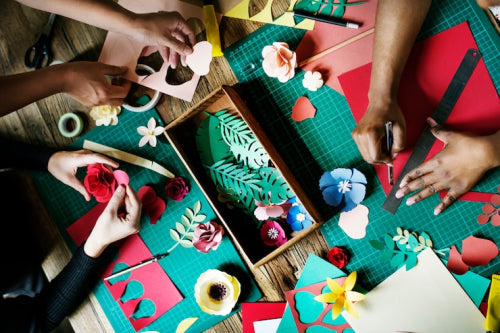
The steady rhythm of a wooden loom echoes as an artisan weaves a Banaras saree, one of 10 GI-tagged handicrafts celebrated at a recent Central Zonal Council exhibition. This saree is more than fabric it's a lifeline for the weaver and her community. Across India, millions of artisans are transforming rural economies through handcrafted goods, fueling financial stability and cultural pride. As global demand for ethically sourced products grows, India's handicraft trade is forging resilient communities, one craft at a time.
Valued at roughly $10 billion in exports, India's handicraft market blends centuries-old traditions with modern innovation. From Lucknow's zardozi embroidery to Varanasi's wooden lacquerware, these crafts embody heritage while driving economic progress. Platforms like IndieHaat connect artisans directly to global markets, eliminating exploitative intermediaries and redirecting profits to villages. This is more than trade it's a movement to empower artisans, preserve cultural identity, and foster sustainable growth.
Ethical Trade: A Catalyst for Change
From New York to Tokyo, Indian handicrafts hand-carved wooden trays, block-printed textiles, and intricate glassware are ubiquitous in global markets. The Indian handicraft market generated $44.8 billion in 2023 and is forecasted to reach $71.3 billion by 2030, with a 6.9% CAGR. Woodwork dominates as the largest segment, while glassware is the fastest-growing. This growth reflects a shift toward conscious consumerism, where buyers prioritize the stories behind their purchases stories of artisans, not mass production.
Digital platforms have revolutionized this landscape. E-commerce and social media marketplaces enable artisans to reach international buyers, bypassing outdated supply chains. IndieHaat, for example, allows a Rajasthan potter to sell directly to a customer in Paris, ensuring fair wages that artisans reinvest in their communities for schools, clinics, or infrastructure. Villages once dependent on erratic farming now find stability through craft-based income.
Women-led cooperatives are central to this transformation. In Kutch, Gujarat, a weaving collective has turned textile exports into a reliable revenue stream for hundreds of families. These women, previously cut off from markets, now use digital tools to manage orders and engage buyers. Their success underscores a powerful reality: empowering artisans, particularly women, uplifts entire communities, creating ripple effects of prosperity.
Artisan Stories: Real-World Impact
In Kutch, a weaving cooperative has rewritten the future of a once-struggling village. A decade ago, poverty drove residents to urban slums. Today, their handwoven textiles reach Europe and North America, funding a local school and health center. IndieHaat amplifies their visibility, pairing their products with narratives of impact. One weaver shared how her earnings funded her daughter's college education a milestone previously out of reach.
In Varanasi, artisans crafting GI-tagged products like Gulabi Meenakari jewelry and wooden toys are driving similar change. Rajni Kant, the Padma Shri recipient dubbed the “GI Man of India,” emphasizes that eastern Uttar Pradesh supports nearly 2 million artisans, generating over $3 billion annually. “This platform showcases the unmatched talent of our artisans nationally,” he stated. These initiatives don't just sell crafts they ignite hope and opportunity.
Global partnerships further elevate India's artisans. Luxury brands like Chanel and Hermès source embroidery from ateliers like Les Atelier 2M, spotlighting Indian craftsmanship on international stages. The pandemic hit hard, reducing embroidered goods exports by 64% from $6.19 million in 2020 to $2.16 million but recovery is gaining momentum. These collaborations demonstrate that traditional skills can thrive in high fashion, delivering both prestige and economic benefits to artisans.
Navigating Challenges in the Craft Ecosystem
The road to scaling this trade is fraught with obstacles. Rural artisans often lack consistent market access, and digital literacy remains a barrier many struggle to navigate online platforms. Infrastructure gaps, such as unreliable shipping or inadequate warehousing, disrupt orders. A flawless terracotta vase from Uttar Pradesh means little if it arrives shattered due to poor logistics.
Protecting intellectual property is another hurdle. Designs like Banaras brocade are frequently copied without attribution, undermining artisan's livelihoods. A 2025 textile industry study notes that India's small and medium enterprises face challenges adopting sustainable practices due to unclear guidelines and metrics. Striking a balance between commercialization and cultural preservation is complex: overproduction risks diluting heritage, while underinvestment traps artisans in poverty.
Opportunities for Sustainable Growth
Despite these challenges, the potential for growth is immense. Direct-to-consumer platforms like IndieHaat disrupt traditional models by cutting out middlemen, ensuring artisans retain more earnings. The global demand for sustainable home décor, slow fashion, and cultural gifts is surging, with India's handicraft market valued at $31.1 billion in 2024 and projected to grow at a 14.4% CAGR.
Community-driven enterprises offer another avenue for resilience. By creating local jobs, these initiatives reduce urban migration, keeping families intact. In Rajasthan, pottery cooperatives have curbed unemployment while training younger artisans to sustain traditions. Many crafts align with sustainability goals, using natural dyes or recycled materials, positioning them as models for eco-conscious trade. This fusion of economic equity and environmental responsibility strengthens the case for handicrafts as a cornerstone of ethical commerce.
Building a Future Rooted in Tradition
India's handicrafts are more than artifacts they're threads weaving together culture, community, and progress. As Kant asserts, “The artistry of our craftsmen is unmatched.” Platforms like IndieHaat harness this talent, channeling it into economic and social impact. Digital innovations AI-driven logistics, social media outreach, and e-commerce are equipping artisans with tools to compete globally. Training programs, supported by NGOs and export councils, are bridging the digital divide, empowering even remote craftsmen to thrive.
The data paints a promising picture: a market set to grow from $44.8 billion to $71.3 billion by 2030, powered by artisans who are not just surviving but flourishing. Yet, the true impact lies in personal stories: the Kutch weaver funding her daughter's education, the Rajasthan potter building a home, the Varanasi embroiderer whose work adorns global runways. Each handcrafted purchase sends waves of change through these communities.
The global handicraft trade is at a pivotal moment. India, with its rich legacy and innovative platforms, is poised to lead. But this isn't just about market share it's about people. It's about the artisan in Varanasi whose loom sustains her family, the cooperative in Kutch that keeps a village alive, the traditions that endure through each crafted piece. By choosing handcrafted goods and supporting platforms like IndieHaat, consumers wield the power to shape a more equitable, sustainable future. Every purchase is a thread in a stronger, more vibrant world.
Disclaimer: The above helpful resources content contains personal opinions and experiences. The information provided is for general knowledge and does not constitute professional advice.
You may also be interested in: Empowering India's Handmade Fashion: The Transformative Power
Fast fashion erodes cultural heritage, sidelining artisans and reducing traditions to trends. At IndieHaat, we champion India's craftspeople with handcrafted sarees, apparel, décor, and skincare rooted in authenticity. Each piece embodies skill and ethical care. Support artisans and preserve India's timeless legacy Shop Now!
Powered by flareAI.co