Handcrafted Cotton Fabrics Align With Demand for Comfort in India's Changing Climate
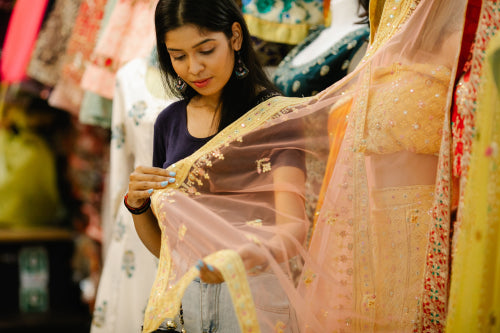
Handcrafted cotton fabrics are gaining renewed attention as consumers look for clothing that feels comfortable, breathable, and more connected to responsible production practices. Changes in weather patterns, increasing awareness of textile choices, and a growing appreciation for traditional craftsmanship are influencing how people think about everyday clothing. Natural fibres such as cotton offer practical benefits for warm climates, while handmade processes bring qualities that extend beyond appearance, including durability, cultural value, and a closer relationship between makers and consumers.
For those exploring sustainable cotton clothing, the appeal lies in the balance between comfort and conscious consumption. Handcrafted cotton garments represent an alternative to disposable fashion by focusing on quality materials, skilled workmanship, and designs that can remain relevant beyond short-lived trends. This shift reflects a broader movement towards thoughtful wardrobes where fabric choice, production methods, and artisan expertise all play an important role.
Fast fashion erodes cultural heritage, sidelining artisans and reducing traditions to trends. At IndieHaat, we champion India's craftspeople with handcrafted sarees, apparel, décor, and skincare rooted in authenticity. Each piece embodies skill and ethical care. Support artisans and preserve India's timeless legacy Shop Now!
Why Cotton Remains Relevant for Changing Weather Conditions
Clothing choices are increasingly shaped by comfort requirements. In warmer conditions, consumers often prefer materials that feel light, breathable, and suitable for everyday movement. Cotton has long been valued for these qualities because it allows air circulation, provides a soft feel against the skin, and adapts well to casual and traditional styles.
The demand for cotton fabrics for India's climate is closely connected to these practical needs. Lightweight cotton garments are suitable for daily wear, festive occasions, and work environments where comfort matters. Unlike synthetic-heavy alternatives that may feel less comfortable in humid conditions, natural fabrics can offer a more pleasant wearing experience when temperatures rise.
Beyond comfort, cotton also carries a connection to regional textile traditions. Across generations, Indian craftspeople have developed weaving techniques that highlight the versatility of cotton, creating fabrics suited to local preferences and lifestyles. These methods demonstrate how traditional knowledge can continue to serve modern consumers.
The Renewed Appreciation for Handcrafted Cotton Textiles
Handcrafted textiles are increasingly valued because consumers want to understand the story behind what they buy. A fabric is no longer viewed only as a finished product; many buyers are interested in the people, skills, and processes involved in creating it.
India's growing interest in traditional textiles reflects a broader shift in consumer preferences toward clothing that offers durability, authenticity, and a stronger connection with sustainable production practices. As fashion buyers become more aware of the environmental impact of disposable clothing, handwoven and handcrafted fabrics are gaining renewed attention for their lower-impact production methods and cultural value. Cotton fabrics, particularly those created through artisan-led processes, align well with this movement because they combine natural comfort with craftsmanship that supports long-term use rather than short-lived trends. The renewed appreciation for heritage textiles also highlights how Indian weaving traditions can respond to modern lifestyle needs, especially in a climate where breathable and lightweight materials are increasingly valued.
For brands and consumers seeking alternatives to synthetic-heavy wardrobes, handcrafted cotton provides a balance between functionality, environmental awareness, and regional artistry. The changing fashion landscape presents an opportunity for textile businesses to communicate not only the beauty of handmade fabrics but also their role in responsible consumption. This trend supports the idea that traditional cotton textiles are not simply connected to India's past; they are becoming relevant solutions for contemporary consumers looking for comfort, quality, and more conscious choices in everyday clothing.
Traditional textiles are receiving renewed attention as shoppers become more interested in durability, authenticity, and lower-impact approaches to fashion. This changing preference creates opportunities for artisan-made cotton products to connect with consumers who want clothing that reflects both personal style and responsible choices.
Handloom cotton fabrics in India represent this connection between heritage and contemporary needs. Traditional weaving practices allow artisans to create distinctive textures, patterns, and finishes while preserving skills that have been passed through communities over time. For consumers, choosing handcrafted cotton can mean owning garments that carry cultural meaning as well as functional value.
How Sustainable Cotton Clothing Supports More Thoughtful Fashion Choices
Sustainability in fashion is increasingly linked to transparency, material selection, and production practices. Consumers are asking more questions about where fabrics come from, how they are produced, and whether their purchases support responsible supply chains.
Sustainable cotton clothing addresses these concerns by focusing on the relationship between natural fibres, farming practices, and textile production. The quality of cotton depends not only on weaving techniques but also on how the raw material is cultivated and sourced.
The connection between agriculture and artisan textiles is becoming more important as the industry considers long-term challenges. Sustainable cotton farming challenges highlight the need for approaches that support environmental resilience and the livelihoods of farming communities.
For consumers, this means fabric choices can represent more than personal comfort. Selecting responsibly produced cotton helps encourage stronger links between farmers, artisans, and brands while supporting a textile ecosystem built around quality rather than quick replacement.
Traditional Craftsmanship Meets Modern Lifestyle Expectations
Modern consumers are not choosing between tradition and convenience. Instead, many are looking for products that combine the strengths of both. Handcrafted cotton textiles demonstrate how traditional skills can adapt to contemporary wardrobes by offering versatile designs, practical comfort, and distinctive character.
Artisan cotton clothing can fit naturally into everyday lifestyles. A breathable cotton shirt, handwoven dress, or lightweight home textile can provide functional value while reflecting the creativity of the craftspeople behind it. This combination makes handcrafted products relevant for consumers who want meaningful purchases without compromising on usability.
The Role of Artisans in Preserving Textile Knowledge
Every handmade fabric represents a process of skill development and cultural preservation. Weaving, dyeing, and finishing techniques often require years of experience, with artisans refining methods that create unique characteristics in each textile.
Supporting handmade cotton products helps maintain these craft traditions while allowing artisans to continue adapting their work for current preferences. When consumers recognise the value of craftsmanship, they contribute to a more sustainable relationship between makers and buyers.
What Consumers Should Consider When Choosing Natural Fabrics
Selecting the right fabric involves more than choosing a material based on appearance. Consumers looking for comfortable summer fabrics can consider several factors that influence the overall experience of wearing and maintaining a garment.
- Breathability: Natural fabrics such as cotton are often preferred for warm conditions because of their comfortable feel and airflow.
- Craftsmanship: Handmade textiles often reflect specialised skills, unique weaving methods, and careful production.
- Durability: Well-made garments can support longer use and reduce the need for frequent replacement.
- Material awareness: Understanding how cotton is sourced and produced helps consumers make more informed choices.
- Versatility: Cotton garments can be adapted for everyday clothing, traditional wear, and seasonal wardrobes.
These considerations help shoppers move beyond trends and focus on the qualities that make clothing valuable over time.
The Future of Artisan Cotton in a Conscious Fashion Environment
The relevance of handcrafted cotton fabrics comes from their ability to address several consumer priorities at once. They offer comfort for changing weather conditions, preserve textile traditions, and align with growing interest in responsible fashion choices.
For brands working with artisan communities, the opportunity lies in communicating the full value of handmade textiles. The story of a cotton garment includes the farmers who produce the fibre, the craftspeople who transform it, and the consumers who choose to wear it. Sharing this journey helps build stronger connections between products and people.
As fashion continues to evolve, natural fabrics and traditional techniques can play an important role in creating wardrobes that are practical, meaningful, and better aligned with conscious consumption. Handcrafted cotton is not only a reflection of India's textile heritage; it is also a material choice that fits the needs of modern lifestyles.
Choosing Comfort, Craftsmanship, and Conscious Design
Handcrafted cotton fabrics offer a thoughtful approach to clothing by bringing together comfort, cultural identity, and responsible production. For consumers seeking breathable cotton textiles and artisan-made products, these fabrics provide an opportunity to make choices that feel personal as well as practical.
The growing appreciation for natural fabrics for hot weather shows that traditional materials continue to have a place in contemporary fashion. By valuing craftsmanship and understanding the journey behind each textile, consumers can support a future where comfort and conscious design exist together.
Frequently Asked Questions
Why are handcrafted cotton fabrics suitable for India's changing climate?
Handcrafted cotton fabrics are suitable for India's changing climate because they are breathable, lightweight, and comfortable in warm conditions. Natural cotton fibres help provide better airflow and a pleasant wearing experience for daily clothing, traditional wear, and seasonal wardrobes.
What should consumers consider when choosing natural fabrics for hot weather?
Consumers should consider factors such as breathability, craftsmanship, durability, material sourcing, and versatility when choosing natural fabrics for hot weather. Handcrafted cotton textiles combine these qualities by offering comfort, artisan value, and long-term usability in modern wardrobes.
How do sustainable cotton clothing and handloom cotton fabrics support conscious fashion choices?
Sustainable cotton clothing supports conscious fashion by focusing on natural fibres, responsible production practices, and stronger connections between farmers, artisans, and consumers. Handloom cotton fabrics also preserve traditional weaving skills while offering durable and meaningful alternatives to disposable fashion.
Disclaimer: The above helpful resources content contains personal opinions and experiences. The information provided is for general knowledge and does not constitute professional advice.
You may also be interested in: Choosing Fabrics for Different Climates - Indiehaat.com
Fast fashion erodes cultural heritage, sidelining artisans and reducing traditions to trends. At IndieHaat, we champion India's craftspeople with handcrafted sarees, apparel, décor, and skincare rooted in authenticity. Each piece embodies skill and ethical care. Support artisans and preserve India's timeless legacy Shop Now!
Powered by flareAI.co