From Floral Dupattas to Neo-Traditional Silhouettes: Festive Trends for 2025
Quick Listen:
Imagine the vibrant chaos of a Jaipur bazaar, where a skilled artisan meticulously weaves golden marigold patterns into a silk dupatta, her fingers dancing in harmony with age-old techniques passed down through generations. This scene, replicated in workshops across India, captures the essence of a fashion revolution underway. As the country gears up for its grand festive calendar in 2025 from the luminous nights of Diwali to the energetic spins of Garba traditional craftsmanship is merging seamlessly with contemporary flair, creating wardrobes that honor heritage while embracing modernity.
Fast fashion erodes cultural heritage, sidelining artisans and reducing traditions to trends. At IndieHaat, we champion India's craftspeople with handcrafted sarees, apparel, décor, and skincare rooted in authenticity. Each piece embodies skill and ethical care. Support artisans and preserve India's timeless legacy Shop Now!
From Floral Dupattas to Neo-Traditional Silhouettes
In this exploration of evolving styles, we delve into how artisan-led innovations and cultural fusions are reshaping festive attire, spotlighting a sector that is both culturally rich and economically significant. India's textile and apparel industry stands as a global force, powered by its vast cotton production, expansive workforce, and immense creative output. From ready-made garments to traditional cotton weaves, its diverse offerings continue to drive both domestic vitality and international recognition. With exports on a steady rise and global influence expanding, India's role as a leader in textiles is set to strengthen even further in the years ahead.
What sets 2025 apart is the dynamic response from designers and artisans to a discerning consumer base that values authenticity alongside adaptability. In bustling metropolises like Delhi and the rhythmic Garba circles of Gujarat, festive wear is becoming more audacious, eco-friendly, and intimately tailored to individual tastes. This evolution mirrors broader market shifts, where the apparel sector outpaces global counterparts, forecasted to grow at 10-12% CAGR from 2024 to 2030, potentially hitting US$130-150 billion. Unlike stagnant markets in Japan, Europe, the US, and China with growth rates hovering under or around 5% India's landscape is fertile for innovation, fueled by urbanization and aspirational spending.
Trends Redefining the Festive Wardrobe
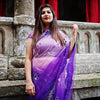
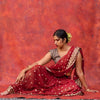
This year, floral dupattas are captivating audiences with their intricate, hand-painted botanical designs, drawing from timeless block-printing and kalamkari traditions. Far from relics of the past, these dupattas are reimagined in lighter fabrics, effortlessly complementing sleek kurtas or adding a cultural layer to Western ensembles for a sophisticated fusion. Complementing this are neo-traditional forms that command attention: envision sari gowns with dress-like fluidity, lehengas featuring bold asymmetrical tiers, or kurtas with dramatic capes that fuse theatricality with everyday ease.
A standout in this lineup is the peplum blouse, tracing its roots to the ancient Greek peplos tunic and enjoying revivals in the 1980s and 2010s, now surging in 2025's ethnic fusion scene. Characterized by a flared waistline, it imparts definition when matched with eye-catching lowers, yielding a graceful, refined outline perfect for Garba's twirls. Styling suggestions include a structured peplum with an asymmetrical hem extended at the rear, abbreviated in front paired with a form-fitting draped skirt in luxurious silk or georgette for poised elegance. Another variant is a shorter peplum revealing a subtle midriff, teamed with a multi-layered lehenga adorned with detailed embellishments for understated flair. For a contemporary edge, opt for sheer peplum tops in net or organza, sparkling with sequins or beadwork, over a satin lehenga to merge tradition with lightness. Belted peplums cinched with ornate waistbands featuring metallic embroidery or vibrant beads enhance pre-stitched lehengas with floral motifs, while peplum kurtas over flared palazzos in velvet or sheer overlays deliver regal sophistication.
Sustainability weaves prominently into 2025's festive narrative, with organic cotton, herbal dyes, and repurposed materials shifting from periphery to core. Eco-aware buyers seek garments that narrate tales of ethical production alongside aesthetic appeal. Accessories amplify this, with artisanal jewelry like brass cuffs embedded with semi-precious gems or subtle chokers drawn from indigenous patterns emerging as essentials. These shifts echo a larger transformation: branded apparel is poised to dominate spending by 2030, expanding at more than double the rate of unbranded options. Millennials and Gen Z, eager for distinctive, event-specific styles, favor organized retail and online avenues, prioritizing aesthetics, affordability, and trends.
In the festive e-commerce arena, 2024 saw a GMV of about $14 billion, up 12% year-over-year, with fashion experiencing a tripled sales boost, particularly in ethnic attire and accessories from Tier 2+ cities. This surge, propelled by 13% higher spending in smaller towns and a 5-6% rise in per-user expenditure, highlights premiumization and fresh engagement in digital shopping.
Artisans and Brands in the Spotlight
Step into a Mumbai atelier or navigate an e-commerce site, and artisan-designer synergies dominate. Indie creators collaborate with remote craft clusters for exclusive festive lines, such as Rajasthan's meticulously embroidered dupattas or Bengal's jamdani saris revamped with sleek contours for youthful appeal. These items transcend mere apparel; they link rural looms to international closets. Rajasthan's detailed needlework resonates with overseas Indians, while Bengal's airy jamdani finds new life as sophisticated evening garb for city dwellers.
Gen Z spearheads this evolution, demanding attire that transcends festivals kurtas versatile with denim or saris morphing into evening gowns. This versatility redefines artisan methodologies. By 2030, digital platforms, brand-exclusive stores, and multi-brand outlets are expected to capture over 60% of apparel sales, enabling direct creator-consumer connections and sidestepping intermediaries. The outcome is a thriving network where a Kutch weaver can market to a Manhattan client, safeguarding craft purity. Over 800 indigenous digital-native brands have debuted since 2019, with globals accelerating expansion. Standouts include Zudio's explosive growth from 40 to over 500 outlets in five years at a 102% revenue CAGR (FY19-FY24), H&M's 22% CAGR, and Uniqlo's 328% through localized offerings like kurtas and designer partnerships. Homegrown Bluorng thrives in streetwear via online strategies and influencer campaigns.
The Challenges of Scaling Tradition
Yet, expansion isn't without obstacles. Globalizing handmade fashion invites pitfalls like excessive commercialization, which could erode the genuineness that defines these creations when "handcrafted" becomes ubiquitous, its essence fades. Affordability remains a barrier; labor-heavy artisan goods, commanding premium prices, vie against inexpensive, factory-made fast fashion. Logistical snarls in supply chains intensify during peak festive rushes, balancing volume with excellence akin to a precarious balancing act.
Most critically, preserving expertise is at stake. Emerging artisans, enticed by metropolitan opportunities or superior wages, abandon ancestral trades, endangering the cultural backbone of the industry. These issues are tangible in the strained efforts of weavers racing against time or designers navigating integrity and cost. Nonetheless, they catalyze progress, compelling the sector to reimagine artisan support amid rising demands. Government initiatives, like the 2025-26 budget's US$607 million allocation to textiles a 19% hike and schemes such as the Cotton Mission, aim to bolster productivity and MSME vitality. With 100% FDI permitted and inflows totaling US$4.59 billion from 2000 to 2024, investments fuel this resilience.
Opportunities on the Horizon
Amid hurdles, prospects abound. India's festive styles are captivating worldwide, particularly diaspora groups yearning for cultural ties. E-commerce revolutionizes access, allowing artisans to connect straight with buyers. Brands leverage cultural tastemakers social media stars reimagining Banarasi saris with casual footwear to craft narratives that captivate youth.
Sustainability emerges as a key advantage. As shoppers reject fast fashion's ecological footprint, deliberate, artisan-focused pieces rise in esteem. This dovetails with market dynamics: India's apparel realm is primed structurally and culturally, with channels like e-stores and retail hubs burgeoning. The proliferation of over 800 digital-first brands since 2019 heralds an era embracing legacy and novelty. Localization tactics, including festive collections, kurtas, and Indo-fusion lines, blend local manufacturing for affordability with imports for intricacy, targeting masstige segments where style and value reign. Major hubs in NCR, Gujarat, Maharashtra, and others bolster this, with policies like SITP and MITRA parks attracting equity and jobs.
A Festive Future Rooted in Craft
India's fashion domain exemplifies reinvention's might. Creators demonstrate that customs can adapt, intertwining historical weaves with forward-thinking forms. Industry voices foresee sustainability as imperative, with eco-dyes and recycled textiles defining collections. For enterprises and authorities, the roadmap is evident: fund artisan education, harness tech for efficient logistics, and advocate equitable trade to nurture growth.
Ultimately, 2025's festive fashion transcends attire it's a reflection of cherished values. From Jaipur's weavers to Delhi's innovators and Mumbai's young shoppers, it's a collective narrative of heritage, artistry, and transformation. Whether adorning a blooming dupatta or donning a peplum for Garba, you're engaging in a cultural surge that integrates India's legacy into the worldwide style narrative, promising a luminous, enduring path ahead.
Frequently Asked Questions
What are the trending festive fashion styles for 2025?
The key festive fashion trends for 2025 include floral dupattas with hand-painted botanical designs, neo-traditional silhouettes like sari gowns and asymmetrical lehengas, and peplum blouses making a major comeback. These styles blend traditional Indian craftsmanship with contemporary cuts, offering versatile pieces that work for festivals while embracing modern aesthetics and sustainability.
How is sustainability influencing Indian festive wear in 2025?
Sustainability has moved from the periphery to the core of festive fashion, with designers increasingly using organic cotton, herbal dyes, and repurposed materials. Eco-conscious consumers are seeking garments that tell stories of ethical production alongside aesthetic appeal, driving brands to create pieces that honor traditional craftsmanship while meeting environmental standards.
Why are peplum blouses popular for Garba and festive occasions in 2025?
Peplum blouses are trending in 2025's ethnic fusion scene because their flared waistline creates a graceful, refined silhouette perfect for Garba's twirls and festive celebrations. They can be styled in multiple ways - from structured asymmetrical designs with draped skirts to sheer organza tops with sequin work over satin lehengas - offering versatility that appeals to Gen Z's demand for event-specific yet adaptable festive wear.
Disclaimer: The above helpful resources content contains personal opinions and experiences. The information provided is for general knowledge and does not constitute professional advice.
You may also be interested in: Floral Handblock Print Katan Silk Suit Piece: Elegant Charm|Indiehaat
Fast fashion erodes cultural heritage, sidelining artisans and reducing traditions to trends. At IndieHaat, we champion India's craftspeople with handcrafted sarees, apparel, décor, and skincare rooted in authenticity. Each piece embodies skill and ethical care. Support artisans and preserve India's timeless legacy Shop Now!
Powered by flareAI.co