Features of Eco-Friendly Sarees
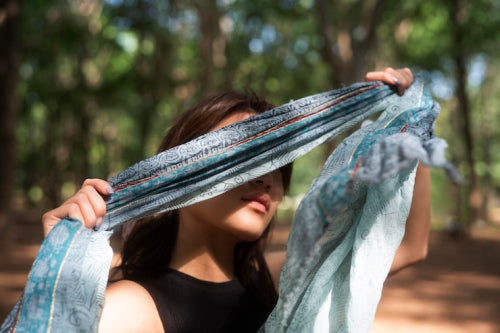
Picture this: a flowing garment that whispers tales of ancient craftsmanship, woven with threads that respect the planet's delicate balance. As the world accelerates toward a more conscious future, the iconic saree is evolving into a symbol of eco-innovation, enchanting wearers from the vibrant lanes of Delhi to the cosmopolitan vibes of London.
Fast fashion erodes cultural heritage, sidelining artisans and reducing traditions to trends. At IndieHaat, we champion India's craftspeople with handcrafted sarees, apparel, décor, and skincare rooted in authenticity. Each piece embodies skill and ethical care. Support artisans and preserve India's timeless legacy Shop Now!
Why Eco-Friendly Sarees Matter
The fashion landscape is undergoing a profound transformation, driven by an urgent call for sustainability. At its core, eco-friendly sarees meticulously crafted from natural materials such as linen, silk, and cotton stand as beacons of change. These aren't mere clothes; they represent a bold stand against the excesses of fast fashion, promoting longevity and ethical production. The global sustainable fashion market is poised for remarkable expansion, expected to reach USD 48.4 billion by 2032, growing at a compound annual growth rate of 23.2% from an estimated USD 12.4 billion in 2025. This growth underscores a collective fatigue with environmental degradation, as shoppers increasingly opt for items that promise durability and minimal harm.
Across key markets including India, the United States, Singapore, Australia, the United Kingdom, and the United Arab Emirates, a wave of eco-awareness is altering consumer behaviors. In India, where traditions run deep, buyers are reviving age-old handloom practices that blend cultural heritage with reduced ecological footprints. Meanwhile, the Indian diaspora abroad yearns for pieces that evoke home, incorporating these sarees into celebrations like weddings and festivals or even daily attire. E-commerce platforms dedicated to handmade artisanal goods, such as IndieHaat, play a crucial role by connecting artisans directly with global audiences, ensuring authentic deliveries that span continents.
But this shift goes beyond sentiment it's a direct counter to alarming global challenges. The fast fashion sector ravages resources, accounting for about 20% of global clean water pollution from dyeing and finishing processes alone. It also contributes between 2% to 8% of worldwide carbon emissions, a figure that's more than the combined output of aviation and shipping. In contrast, eco-friendly sarees utilize organic fabrics and low-impact dyes, demonstrating that elegance and environmental stewardship can coexist harmoniously. This approach not only conserves water and cuts emissions but also supports fair labor practices, making each purchase a step toward a healthier planet.
Artisanal e-commerce platforms are indispensable in this ecosystem. They uplift weavers by preserving generational skills and delivering one-of-a-kind designs that defy mass-market uniformity. For those in distant locales like Abu Dhabi or San Francisco, these sites democratize access to cultural artifacts, cultivating a worldwide network bound by shared values of ethics and authenticity. As sustainability becomes non-negotiable, such platforms are not just sellers they're stewards of tradition in a modern world.
Emerging Trends in Eco-Friendly Sarees
Saree fashion is bursting with creative flair, merging heritage with contemporary twists. Fusion sarees are at the forefront, fusing classic weaves with innovative silhouettes imagine a saree styled with a daring crop top or adorned with abstract patterns in subdued earth shades. Breathable fabrics dominate, from airy linen ideal for warm climates to cruelty-free peace silk and chemical-free organic cotton, all dyed using natural extracts to sidestep toxic substances. Patchwork creations, assembled from upcycled scraps, infuse an artistic, waste-free vibe, while striking hues like rich crimsons, vivid blues, and lush greens deliver impactful looks without compromising the environment.
The ethos of slow fashion is ascending, prioritizing enduring styles over transient trends. Shoppers are drawn to sarees designed for longevity, handcrafted to lessen carbon impacts and encourage repeated wear. Eco-conscious gifting is on the rise as well, with sustainable sarees becoming favored choices for events like Diwali or nuptials, embodying mindful generosity that benefits the earth. Social media platforms Instagram, Facebook, and YouTube fuel this momentum through immersive content: tutorials on elegant drapes, conversations with artisans, and glimpses into the weaving journey, captivating tech-savvy millennials and Gen Z who crave genuine narratives.
Delicate pastels, such as soft pinks and gentle mints, are redefining bridal and festive ensembles, harmonizing tranquility with timeless appeal. Georgette sarees are embracing green practices too, crafted from recycled elements to maintain their graceful drape sans guilt. These developments transcend India's borders, resonating in the UAE via hybrid draping techniques and in Australia at green-focused gatherings, where diaspora communities adopt them as links to their origins. As trends evolve, they highlight a collective move toward fashion that's as responsible as it is radiant, inviting wearers to partake in a global sustainability dialogue.
Real-World Examples and Case Studies
India's artisanal hubs throb with vitality, every fiber echoing expertise and eco-commitment. In Banaras, master weavers produce ornate brocade sarees on traditional looms, sourcing ethical silk to slash emissions and uphold quality. Down in Tamil Nadu's Kanchipuram, silk sarees emerge with minimized water consumption and plant-based dyes, safeguarding both legacy and ecosystems. Bengal's looms, meanwhile, churn out featherlight cotton masterpieces from organic sources, bolstering regional livelihoods while appealing to international tastes.
IndieHaat distinguishes itself through direct artisan procurement, guaranteeing sarees of unadulterated purity restricted to linen, silk, or cotton. This model secures exclusive patterns untainted by synthetics and bolsters rural economies. Spanning oceans, these creations find homes in the US and UK, treasured by expatriates for their cultural resonance and sustainable ethos.
Influencers elevate these stories, igniting interest far and wide. Anila Ruby Raj and Varsha Oak illuminate Instagram with vibrant eco-saree displays, integrating them into daily life to motivate audiences. Their content spotlights weaver journeys, rendering sustainability approachable and chic. YouTube creators delve deeper, offering virtual tours of production sites that forge connections between consumers and creators, fostering appreciation for the craft's intricacies.
Key Challenges in Adoption
Despite the allure, scaling eco-friendly sarees faces formidable obstacles. Premium pricing remains a primary deterrent, stemming from ethical sourcing and manual labor that inflate costs for thrifty consumers. Trust issues persist as well, with novice e-shoppers skeptical of authenticity amid rampant greenwashing in an oversaturated arena. The absence of physical interaction poses another hurdle: how can one assess texture online? This experiential void complicates online sales for such personal items.
These issues reverberate internationally. In places like Singapore or Australia, where affordable fast fashion abounds, persuading shoppers to choose costlier green alternatives demands robust awareness campaigns. Scarcities in sustainable resources exacerbate price hikes, compounded by myths that eco-attire lacks appeal. To overcome, brands should emphasize openness, leveraging accreditations and traceability to build credibility.
Shopper attitudes contribute significantly; many favor ease over ethics, and lax oversight allows false assertions to undermine faith. For entities like IndieHaat, innovation is key think augmented reality fittings or fabric samples to mitigate the sensory shortfall, paving smoother paths to adoption.
Opportunities and Business Impact
Challenges notwithstanding, vast prospects await. The expansive Indian diaspora in the US, Singapore, Australia, the UK, and the UAE drives robust demand, pursuing sarees that fuse ancestry with green principles. Exports flourish as these nations import artisanal weaves for their moral allure, invigorating economies and rejuvenating craft centers with employment and cultural preservation.
Credibility grows via candidness artisan footage shared on Facebook or YouTube clarifies origins, converting doubters to advocates. Organic certifications validate material integrity, and Instagram alliances with influencers demonstrate practical elegance, digitally surmounting tactile limitations.
The uptick in eco-gifting for festivals like Diwali or matrimonies positions sustainable sarees as emblems of refined consideration. Ventures like IndieHaat leverage this by curating distinctive, artisan-direct offerings, carving niches in competitive spheres. With the sustainable fashion arena targeting $53.37 billion by 2032, these innovators emerge as trailblazers, channeling influence from workshop to closet.
Future Outlook for Eco-Friendly Sarees
The prospects for eco-friendly sarees gleam with promise, evolving from specialty to staple in an eco-prioritizing era. Delving into insights from explorations like Eco-Friendly Sarees: Redefining Tradition with Sustainability, these attires intertwine legacy with forward-thinking imperatives. Industry pundits foresee broad acceptance, bolstered by platforms like IndieHaat that render handcrafted, pristine-fabric sarees universally attainable.
Success hinges on astute digital strategies intensified interactions on Instagram and YouTube, synergies with influencers such as Ani Lakshmi or Dr. Mini Malhotra, and transparent cost explanations to dispel hesitations. Envision a tomorrow where each saree pleat pays homage to our world and its artisans. This transcends style it's a narrative of enduring legacy, unfurling sustainably strand by strand.
Frequently Asked Questions
What makes a saree eco-friendly and sustainable?
Eco-friendly sarees are crafted from natural materials like organic cotton, linen, and peace silk, using low-impact dyes and chemical-free processes. These sustainable sarees utilize plant-based dyes instead of toxic substances, consume less water during production, and support fair labor practices. Unlike fast fashion alternatives, they're designed for longevity and help reduce the fashion industry's environmental impact, which currently accounts for 20% of global water pollution and 2-8% of carbon emissions.
Where can I buy authentic handmade eco-friendly sarees online?
Authentic eco-friendly sarees can be purchased through artisanal e-commerce platforms like IndieHaat, which connects buyers directly with traditional weavers and artisans. These platforms guarantee pure materials (restricted to linen, silk, or cotton) and offer exclusive handwoven patterns from India's craft centers like Banaras, Kanchipuram, and Bengal. Many of these platforms ship internationally to the US, UK, Australia, Singapore, and UAE, making sustainable sarees accessible to the global Indian diaspora.
Are eco-friendly sarees more expensive than regular sarees, and why?
Yes, eco-friendly sarees typically cost more than mass-produced alternatives due to ethical sourcing, manual craftsmanship, and sustainable production methods. The premium pricing reflects the use of organic materials, fair wages for artisans, and traditional handloom techniques that require more time and skill. However, these sarees offer better value through their durability, timeless designs, and positive environmental impact, making them worthwhile investments for conscious consumers who prioritize quality over quantity.
Disclaimer: The above helpful resources content contains personal opinions and experiences. The information provided is for general knowledge and does not constitute professional advice.
You may also be interested in: The Timeless Elegance of the Saree: A Cultural Icon of India
Fast fashion erodes cultural heritage, sidelining artisans and reducing traditions to trends. At IndieHaat, we champion India's craftspeople with handcrafted sarees, apparel, décor, and skincare rooted in authenticity. Each piece embodies skill and ethical care. Support artisans and preserve India's timeless legacy Shop Now!
Powered by flareAI.co