Fast Fashion vs. Sustainable Fashion: The Ethical Debate
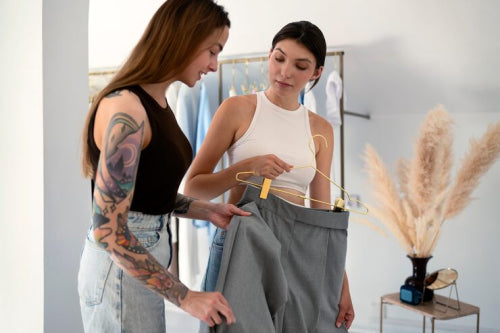
Picture a crowded city street, where shop windows burst with vibrant dresses and sleek jackets, each priced to sell before the next trend hits. This is the pulse of fast fashion a relentless cycle of cheap, trendy clothes that dominate wardrobes worldwide. Yet, beneath the allure lies a troubling truth: polluted rivers, exploited workers, and a carbon footprint that overshadows global aviation. Meanwhile, a quieter movement is gaining traction, led by brands like IndieHaat, which champion handmade, eco-conscious designs. The clash between fast fashion and sustainable fashion isn't just about what we wear it's about the world we're shaping. In this exploration of Fast Fashion vs. Sustainable Fashion: The Ethical Debate, we dive into the industry's transformation and why ethical choices are redefining style.
The Fashion Industry's Diverging Paths
Fast fashion thrives on speed and scale. Giants like Zara and Shein churn out affordable, trend-driven clothing, fueling a market valued at $148.23 billion in 2024 and projected to reach $317.98 billion by 2032, with a 10.04% compound annual growth rate, according to Fortune Business Insights. Their model is simple: produce quickly, price low, and keep consumers coming back for the latest looks. Walk into a fast fashion store, and you'll find racks refreshed weekly, designed for fleeting wear before being discarded. But this efficiency comes at a steep cost environmentally and ethically.
Sustainable fashion, by contrast, is the industry's moral compass. Valued at $12.46 billion in 2025, the global sustainable fashion market is expected to soar to $53.37 billion by 2032, growing at a 23.1% CAGR, as reported by Coherent Market Insights. This surge reflects a growing consumer demand for clothing made with eco-friendly materials and ethical labor practices. Brands like IndieHaat and Patagonia prioritize organic fabrics and fair wages, crafting pieces meant to last. The contrast is stark: one model fuels overconsumption; the other champions responsibility.
The Heavy Cost of Fast Fashion
The $10 t-shirt in your cart has a hidden price. Fast fashion's environmental toll is staggering, accounting for 10% of global carbon emissions surpassing the combined impact of international flights and maritime shipping. It consumes 141 billion cubic meters of water annually and contributes to 35% of microplastics polluting oceans, per UniformMarket. Textile dyeing poisons waterways, while discarded clothes pile up in landfills, often incinerated, releasing toxic fumes. The human cost is equally grim: workers in countries like Bangladesh endure long hours, low wages, and unsafe conditions to keep up with demand.
Sustainable fashion offers a counterpoint. Over 62% of brands worldwide now embrace recycling, upcycling, or zero-waste designs, with 22% adopting waterless dyeing technologies, according to Global Growth Insights. IndieHaat, for instance, partners with artisans to create handmade pieces using organic cotton and low-impact methods, ensuring fair pay and safe workplaces. These efforts reduce environmental harm while fostering community empowerment, proving that fashion can be both beautiful and ethical.
Consumers Driving Change
Why the shift? Consumers are waking up to the industry's impact. Social media exposes sweatshop scandals and environmental damage, while influencers promote thrift culture and ethical brands. Gen Z leads the charge, driving 49% of sustainable fashion demand, per Global Growth Insights. They're not just shopping they're aligning their purchases with their values, favoring brands that prioritize transparency. Online platforms, which hold the largest market share in 2025, make discovering eco-conscious labels easier, notes Coherent Market Insights. North America, with a 35.6% market share, and Europe, at 36%, lead the charge, fueled by eco-aware lifestyles.
Yet challenges persist. Sustainable fashion often carries a higher price tag due to the cost of organic materials and fair labor. Scaling handmade production to meet demand is a logistical hurdle, and small brands like IndieHaat struggle to compete with fast fashion's rock-bottom prices. Many consumers still lack awareness, mistakenly viewing sustainable options as dull or overpriced, unaware that their cheap buys fuel a cycle of harm.
Opportunities in Ethical Fashion
The sustainable fashion market is ripe with potential, projected to hit $15.3 billion by 2032 with a 9.1% CAGR, per Dataintelo. Innovations like circular fashion designing clothes for reuse or biodegradability and textile recycling are transforming the industry. Brands are streamlining production, cutting waste, and adopting eco-friendly dyeing methods. For businesses, the benefits are clear: loyal customers, positive press, and a competitive edge in a market increasingly driven by ethics.
IndieHaat exemplifies this shift, blending cultural heritage with sustainability to appeal to conscious consumers. With 68% of shoppers preferring ethically sourced clothing and 54% of brands prioritizing fair labor, the future looks bright. Government regulations, especially in the U.S., which accounts for 28% of sustainable fashion demand, are pushing for lower emissions and better waste management, further fueling growth. By 2034, the market could reach $22.77 billion, signaling a new era where sustainability is the norm, not the exception.
Toward a More Ethical Future
The battle between fast fashion and sustainable fashion is a microcosm of a larger question: what kind of world do we want? Fast fashion's cheap thrills come at the expense of the planet and its people, while sustainable fashion offers a vision of style that respects both. Brands like IndieHaat are leading the way, proving that beauty and ethics can coexist in every stitch. As consumers, our choices shape the industry. Each purchase is a vote for exploitation or empowerment, for waste or renewal. The future of fashion depends on us. What will you choose to wear?
Frequently Asked Questions
What is the difference between fast fashion and sustainable fashion?
Fast fashion focuses on producing cheap, trendy clothing quickly and at scale, with brands like Zara and Shein refreshing inventory weekly to fuel overconsumption. Sustainable fashion prioritizes eco-friendly materials, ethical labor practices, and durable designs meant to last, with brands creating pieces using organic fabrics and fair wages. While fast fashion drives a $148.23 billion market through low prices and speed, sustainable fashion's $12.46 billion market grows through conscious consumer demand for responsible manufacturing.
How does fast fashion impact the environment compared to sustainable fashion?
Fast fashion accounts for 10% of global carbon emissions more than international flights and maritime shipping combined while consuming 141 billion cubic meters of water annually and contributing 35% of ocean microplastics. Sustainable fashion offers a stark contrast, with over 62% of brands now embracing recycling, upcycling, or zero-waste designs, and 22% adopting waterless dyeing technologies. This shift toward eco-conscious production significantly reduces environmental harm while supporting fair labor practices.
Why is sustainable fashion more expensive than fast fashion?
Sustainable fashion carries higher price tags due to the cost of organic materials, fair labor wages, and smaller-scale production methods that prioritize quality over quantity. Unlike fast fashion's mass production model that cuts costs through exploitation and cheap materials, sustainable brands invest in eco-friendly processes and ethical manufacturing. However, this higher upfront cost reflects the true value of clothing designed to last longer, ultimately providing better cost-per-wear while supporting environmental and social responsibility.
Disclaimer: The above helpful resources content contains personal opinions and experiences. The information provided is for general knowledge and does not constitute professional advice.
You may also be interested in: Fast Fashion vs. Slow Fashion: Understanding the Shift Towards
Fast fashion erodes cultural heritage, sidelining artisans and reducing traditions to trends. At IndieHaat, we champion India's craftspeople with handcrafted sarees, apparel, décor, and skincare rooted in authenticity. Each piece embodies skill and ethical care. Support artisans and preserve India's timeless legacy Shop Now!
Powered by flareAI.co