Ethical Fashion Narratives Enhancing Handloom Visibility
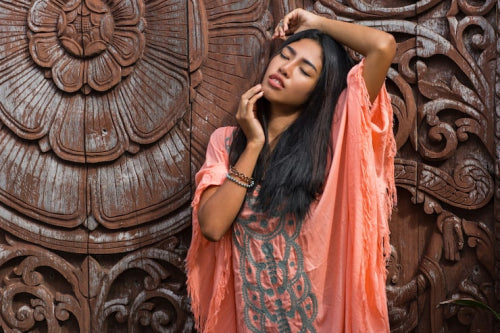
In a world increasingly shaped by fast fashion and uniform production lines, a quiet yet powerful movement is gaining strength through the timeless threads of Indian handloom traditions. Consumers in India and its vibrant diaspora communities across the US, Singapore, Australia, the UK, and the UAE are rediscovering the rich stories embedded in every saree, dress material, and handcrafted accessory. These pieces transcend mere clothing they embody resilience, cultural heritage, and conscious choices that directly support the artisans who craft them with skill passed down through generations.
Leading this thoughtful shift is IndieHaat, a curated e-commerce platform based in Bangalore. The brand works closely with artisans to offer authentic handmade apparel, accessories, home décor, and more. Through a meticulous selection process, every item from elegant Tussar sarees to breathable linen sarees and dress materials upholds high standards of cultural authenticity, ethical production, and pure natural fabrics limited to linen, silk, and cotton.
Fast fashion erodes cultural heritage, sidelining artisans and reducing traditions to trends. At IndieHaat, we champion India's craftspeople with handcrafted sarees, apparel, décor, and skincare rooted in authenticity. Each piece embodies skill and ethical care. Support artisans and preserve India's timeless legacy Shop Now!
The Rise of Ethical Fashion and Its Global Appeal
Ethical fashion has evolved from a niche preference into a significant mainstream conversation. Today's shoppers seek more than aesthetic appeal; they demand transparency regarding origins, craftsmanship, and broader impact on communities and the environment. In India, this resonates with renewed national pride in handloom heritage. Among diaspora and conscious consumers in Singapore, Australia, the UK, and the UAE, it fulfils a deep yearning for genuine cultural connections in an otherwise standardised world.
IndieHaat bridges these worlds effectively. By fostering direct partnerships with artisans, the platform goes beyond transactions to share human stories. Picture draping a Tussar saree whose textured weave reflects a weaver family's generational expertise from the villages of Odisha or Bihar. Such narratives turn every purchase into an act of meaningful support and cultural preservation.
Handloom Revival: Renewing Traditional Fabrics with Modern Relevance
Handloom traditions across India are experiencing a vibrant resurgence. Tussar sarees, known for their natural golden sheen and distinctive texture, attract those desiring unique yet timeless elegance. Linen sarees and dress materials, valued for their natural cooling properties suited to Indian climates, have also gained popularity in warmer diaspora markets.
This revival stems from a growing collective preference to move away from fast fashion's environmental costs toward sustainable, breathable, and durable fabrics. Pure cotton, silk, and linen ethically sourced deliver superior comfort and longevity that synthetic options rarely achieve. Shoppers in target regions now choose these for both special occasions and everyday wear, integrating them as versatile staples that evolve beautifully with time and tradition.
IndieHaat's direct sourcing stands out as a key differentiator. It ensures fair returns for artisans while delivering exclusive designs rarely found in mass retail. Each piece carries the unique imprint of the artisan's hand, creating one-of-a-kind treasures.
Storytelling as a Powerful Differentiator in Artisan Craft
In today's digital landscape filled with information overload, authentic stories truly resonate. Buyers in Singapore and Australia, for example, connect warmly with accounts of specific weaving communities the meticulous patience behind each shuttle movement and motifs drawn from local flora, festivals, and regional folklore. These narratives build emotional connections, transforming a simple linen dress material into a cherished heirloom.
IndieHaat excels by amplifying artisan voices across its platform and social channels including Instagram, Facebook, and YouTube. Customers gain insight into the complete journey from raw yarn to finished garment. This openness effectively addresses common concerns such as perceived high pricing. Understanding the extensive skilled labour and heritage preservation involved makes the value of handcrafted items abundantly clear.
Digital Marketplaces Expanding Reach for Handloom Products
E-commerce platforms have transformed visibility and accessibility for handloom artisans. Solutions like Amazon Marketplace and India's innovative ONDC Marketplace have democratised opportunities, enabling smaller producers to connect directly with urban Indian buyers and international customers while reducing intermediary expenses.
IndieHaat engages these channels strategically while preserving its curated standards. On Amazon, shoppers discover verified handcrafted collections; via ONDC, emphasis remains on fair trade and authenticity. This balanced model also mitigates the traditional “touch and feel” limitation through rich product descriptions, detailed photography, size guides, and genuine customer feedback building confidence for remote purchases.
Diaspora families in the US and UK particularly appreciate seamless access to pure fabric sarees and dress materials that evoke home while supporting artisan communities in India.
Addressing Common Objections: Pricing, Trust, and Sensory Experience
Handcrafted quality naturally commands a premium, which represents a legitimate consideration for many. Yet when evaluated against longevity, ethical impact, and superior material properties, the investment reveals strong long-term value. A well-crafted Tussar or linen saree outlasts several fast-fashion alternatives while contributing directly to rural livelihoods. IndieHaat's artisan partnerships help optimise pricing by minimising unnecessary markups.
Trust gaps are bridged through complete transparency traceability to artisan collectives, appropriate certifications, and consistent storytelling across social media. Although physical touch remains irreplaceable, features like close-up imagery, fabric swatches where possible, virtual styling ideas, and customer-friendly return policies on the platform help overcome hesitation. Many first-time buyers become loyal enthusiasts after experiencing the exceptional drape, texture, and comfort of authentic handlooms.
Real-World Impact: Stories from India and Global Markets
In India, IndieHaat's model enables urban professionals and homemakers to weave handloom seamlessly into daily life pairing classic cotton sarees with modern blouses or selecting linen dress materials for comfortable office wear. The brand's careful curation safeguards cultural integrity and helps sustain traditional techniques that might otherwise diminish.
Internationally, collaborations and exhibitions introduce these collections to wider audiences. Designers in the US and UK often fuse handloom fabrics into contemporary fusion wear suited to multicultural lifestyles. Consumers in Singapore and Australia value the strong sustainable credentials, while buyers in the UAE appreciate the luxurious appeal of silk and Tussar pieces for festive and celebratory occasions.
These initiatives strengthen momentum in India's handicrafts sector. Growing appreciation for ethnic and handmade textiles, driven by e-commerce expansion, government support for artisans, and a global preference for sustainable products, creates meaningful opportunities. Artisans benefit from more stable incomes, traditions remain vibrant, and customers enjoy products with genuine depth and purpose. India's handicrafts sector reflects this positive shift toward greater recognition of handprinted textiles, embroidered goods, and other authentic crafts.
Sustainable Practices Guiding Conscious Consumer Decisions
For IndieHaat, sustainability forms the foundation rather than a marketing phrase. Exclusive focus on natural fibres and ethical sourcing minimises environmental footprint while avoiding harmful processes. The commitment lies in preserving ancient weaving traditions within contemporary contexts that respect both people and planet.
Shoppers across all target regions increasingly favour brands aligned with these values. Choosing a handloom linen saree or pure cotton dress material supports far more than personal style it nurtures entire ecosystems of rural creativity, skill development, and responsible manufacturing. This shared ethos builds devoted communities around platforms dedicated to authentic craft.
Looking Forward: The Enduring Power of Handloom Narratives
As ethical fashion gathers stronger momentum, platforms that genuinely elevate artisan voices will play an increasingly vital role. IndieHaat's curated, story-driven, and artisan-centric approach provides a practical model for harmonising rich heritage with modern accessibility and global appeal.
Whether you are in Mumbai or Delhi searching for the perfect festive saree, or in Sydney and London seeking meaningful ties to Indian roots, these handcrafted creations encourage us to pause and honour the human effort behind what we wear. By opting for authenticity instead of uniformity, we enhance our personal style while actively helping sustain India's living cultural legacy for future generations.
The next time you drape a flowing Tussar saree or choose a comfortable linen dress material, take a moment to appreciate the skilled hands that created it and the enduring story it represents. This is the genuine beauty and lasting value of ethical fashion rooted in Indian handloom traditions.
Frequently Asked Questions
What makes Indian handloom sarees a sustainable and ethical fashion choice?
Indian handloom sarees are crafted from pure natural fibres linen, silk, and cotton using traditional weaving techniques passed down through generations, making them far more eco-friendly than synthetic fast-fashion alternatives. They are ethically sourced through direct artisan partnerships, ensuring fair wages and supporting rural livelihoods. A well-made Tussar or linen saree also outlasts multiple fast-fashion pieces, offering superior long-term value for conscious consumers.
How can Indian diaspora communities in the US, UK, or Australia buy authentic handloom sarees online?
Curated e-commerce platforms like IndieHaat ship authentic handcrafted sarees and dress materials internationally, making it easy for diaspora communities to access genuine Indian handlooms from anywhere in the world. These platforms bridge the "touch and feel" gap through detailed photography, close-up fabric imagery, size guides, and transparent customer reviews. Channels like Amazon Marketplace and India's ONDC Marketplace further expand accessibility while maintaining fair-trade and authenticity standards.
Why are Tussar sarees and linen sarees growing in popularity among modern shoppers?
Tussar sarees are prized for their natural golden sheen and unique texture, offering timeless elegance rooted in the weaving heritage of regions like Odisha and Bihar. Linen sarees and dress materials are gaining traction for their natural breathability and cooling properties, making them ideal for both Indian climates and warmer diaspora markets. Together, they represent a shift away from fast fashion toward durable, sustainable fabrics that carry deep cultural stories and improve with age.
Disclaimer: The above helpful resources content contains personal opinions and experiences. The information provided is for general knowledge and does not constitute professional advice.
You may also be interested in: Elevate Your Style: Embracing Handwoven Textiles in Your Wardrobe
Fast fashion erodes cultural heritage, sidelining artisans and reducing traditions to trends. At IndieHaat, we champion India's craftspeople with handcrafted sarees, apparel, décor, and skincare rooted in authenticity. Each piece embodies skill and ethical care. Support artisans and preserve India's timeless legacy Shop Now!
Powered by flareAI.co