Ensuring Intergenerational Skill Transfer in Weaving Communities
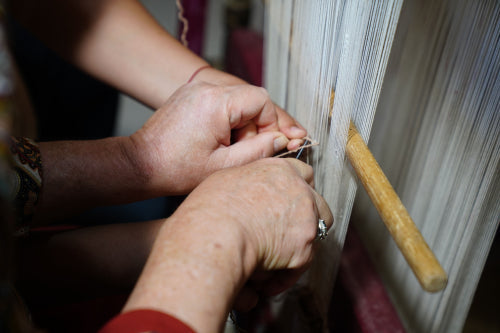
Preserving traditional weaving knowledge requires more than protecting finished textiles it demands deliberate, ongoing efforts to pass intricate skills from one generation to the next. In India's rich handloom heritage, intergenerational skill transfer ensures that time-honoured techniques continue to evolve while maintaining their cultural depth and quality. For platforms dedicated to authentic artisan products, supporting this knowledge flow strengthens supply chains and delivers meaningful value to socially conscious consumers.
Fast fashion erodes cultural heritage, sidelining artisans and reducing traditions to trends. At IndieHaat, we champion India's craftspeople with handcrafted sarees, apparel, décor, and skincare rooted in authenticity. Each piece embodies skill and ethical care. Support artisans and preserve India's timeless legacy Shop Now!
The Importance of Intergenerational Skill Transfer in Weaving Communities
Intergenerational skill transfer in weaving communities forms the backbone of sustainable handloom traditions. Master weavers share not only technical expertise from fibre preparation and loom setup to complex pattern design and natural dyeing but also the cultural stories and symbolic meanings embedded in each creation. This process keeps alive unique regional styles and empowers younger artisans to adapt traditional methods to contemporary needs without losing authenticity.
When younger members of weaving communities actively learn these crafts, households gain economic resilience. Multiple generations contribute to family enterprises, reducing vulnerability to market shifts and urban migration. The result is a more stable ecosystem where craftsmanship remains viable and deeply connected to community identity.
Challenges Facing Traditional Weaving Skills Today
Urbanization and shifting youth preferences present real hurdles to preserving traditional weaving skills. Many young people in rural weaving clusters view handloom work as labour-intensive with uncertain returns, leading to a gradual decline in new apprentices. Without structured pathways for learning, intricate knowledge risks fading as experienced artisans retire or shift to other livelihoods.
Competition from mechanized production further complicates matters. While power looms offer speed and scale, they cannot replicate the nuanced textures, motifs, and sustainability of handwoven fabrics. This tension highlights the urgent need for approaches that make skill acquisition both economically attractive and culturally meaningful for the next generation.
Effective Strategies for Knowledge Transmission
Successful preservation of weaving heritage and knowledge transfer relies on hands-on, community-rooted methods. Apprenticeships and collaborative workshops allow elders to demonstrate advanced techniques while apprentices contribute fresh perspectives on design and market relevance. Digital documentation of processes, combined with live practice, helps capture details that might otherwise be lost.
Incentive programs that combine cultural education with fair compensation play a vital role. When learning traditional crafts offers clear pathways to sustainable income, younger artisans become more engaged. Design collaborations with contemporary creators also bridge generational gaps, showing how heritage techniques can meet modern aesthetic and functional demands.
Role of Organisations in Supporting Artisan Development
Organisations dedicated to artisan development emphasise structured efforts to bridge generations through practical learning and community support. The Crafts Council of India initiatives highlight how enabling intergenerational skill transfer sustains handloom practices. These efforts focus on building apprenticeship ecosystems, strengthening design training, and ensuring that artisans gain both technical mastery and cultural understanding. They also address real-world challenges such as youth disengagement, market instability, and limited access to resources by connecting learning directly with livelihood opportunities.
Beyond training frameworks, the Crafts Council of India initiatives emphasize long-term sustainability by encouraging collaboration between master weavers and younger apprentices in structured workshop environments. These programs help preserve regional textile identities while also adapting traditional craftsmanship to contemporary markets. For businesses sourcing directly from artisans, such initiatives reinforce supply chain stability by ensuring that expertise is continuously renewed across generations.
By creating opportunities for apprenticeships and joint projects, such initiatives help maintain high-quality, authentic production. For businesses that source directly from weavers, this support translates into resilient supply chains built on generational expertise.
Global Standards and Cultural Preservation Frameworks
International frameworks underscore the value of living knowledge in traditional craftsmanship. UNESCO traditional craftsmanship guidelines stress apprenticeship systems rooted in family and local networks as primary vehicles for transmitting complex skills. This ensures that weaving knowledge is not only preserved but also adapted over time in response to changing environmental and economic conditions.
In practice, these principles encourage access to quality raw materials, legal protections for designs, and community-led initiatives. The UNESCO traditional craftsmanship guidelines further highlight how safeguarding intangible cultural heritage requires balancing tradition with innovation, ensuring artisans can sustain livelihoods while preserving identity. Such frameworks also support documentation efforts and policy interventions that strengthen long-term viability of weaving communities worldwide.
These measures help weaving communities balance preservation with economic vitality, ensuring crafts remain relevant in today's market.
How E-commerce Platforms Can Strengthen Skill Transfer
Curated marketplaces like IndieHaat play a constructive role by connecting consumers directly with artisans who actively train the next generation. By prioritising authentic, story-rich handcrafted apparel, accessories, and home décor, these platforms create demand that rewards traditional expertise and encourages knowledge sharing within communities.
When buyers understand the human effort and heritage behind each piece, they form deeper connections with the products. This appreciation supports fairer value distribution along the supply chain, making weaving a more attractive profession for younger artisans. Platforms can further contribute by highlighting artisan stories and mentorship efforts, raising awareness among socially conscious consumers in India and beyond.
Practical Recommendations for Sustaining Weaving Heritage
Stakeholders interested in preserving traditional weaving skills can take several actionable steps:
- Support community-based workshops that pair master weavers with apprentices, focusing on both technique and business skills.
- Encourage collaborations between traditional artisans and contemporary designers to innovate while respecting heritage.
- Promote transparent storytelling that traces products back to the weavers and their training practices.
- Advocate for policies and programs that improve access to markets, materials, and financial tools for weaving households.
- Invest in documentation projects that capture oral knowledge and visual processes for future generations.
These measures help address the decline of weaving skills in rural communities while fostering generational transfer of textile craftsmanship.
Building a Sustainable Future for Handloom Traditions
Ultimately, ensuring intergenerational skill transfer requires viewing weaving not merely as a craft but as a living cultural and economic system. When mentorship programs, community support, and market access align, younger artisans gain both pride in their heritage and viable livelihoods.
By choosing handcrafted products from platforms committed to ethical sourcing, consumers become active participants in this preservation effort. Each purchase helps sustain the intricate web of knowledge, skill, and community that defines India's handloom legacy.
The future of weaving depends on collective commitment from artisans and organisations to businesses and buyers to keep these traditions vibrant across generations. Through thoughtful support and genuine appreciation, the rich tapestry of Indian craftsmanship can continue to enrich lives for years to come.
Frequently Asked Questions
What are the main challenges facing traditional weaving skills in India today?
Traditional weaving skills in India face several challenges, including urbanization and the migration of younger generations to non-craft professions. Many youths perceive handloom weaving as labour-intensive with uncertain income, leading to a decline in apprenticeships. Additionally, competition from mechanized power looms reduces demand for handwoven textiles, further threatening traditional artisan communities. These factors collectively weaken the continuity of traditional weaving knowledge.
How can intergenerational skill transfer in weaving be preserved and strengthened?
Preserving intergenerational skill transfer requires structured apprenticeships, hands-on workshops, and collaboration between master weavers and young artisans. Supporting fair compensation, design innovation, and documentation of traditional techniques also helps sustain interest and accessibility. Organizations like the Crafts Council of India and guidelines such as UNESCO's traditional craftsmanship frameworks encourage long-term cultural preservation. E-commerce platforms that highlight artisan stories further strengthen demand and make weaving a more sustainable livelihood for future generations.
What is intergenerational skill transfer in weaving communities and why is it important for handloom heritage?
Intergenerational skill transfer in weaving communities refers to the passing of traditional weaving skills, techniques, and cultural knowledge from master weavers to younger generations. It is essential for preserving India's handloom heritage, including complex processes like dyeing, loom work, and motif design. This transfer also ensures economic resilience for artisan families by keeping traditional crafts viable as a livelihood. Without it, valuable cultural identity and craftsmanship risk being lost over time.
Disclaimer: The above helpful resources content contains personal opinions and experiences. The information provided is for general knowledge and does not constitute professional advice.
You may also be interested in: How Craft Traditions Are Passed Down Through Generations
Fast fashion erodes cultural heritage, sidelining artisans and reducing traditions to trends. At IndieHaat, we champion India's craftspeople with handcrafted sarees, apparel, décor, and skincare rooted in authenticity. Each piece embodies skill and ethical care. Support artisans and preserve India's timeless legacy Shop Now!
Powered by flareAI.co