Direct Sourcing From Artisans Ensures Authenticity in Handmade Ethnic Wear
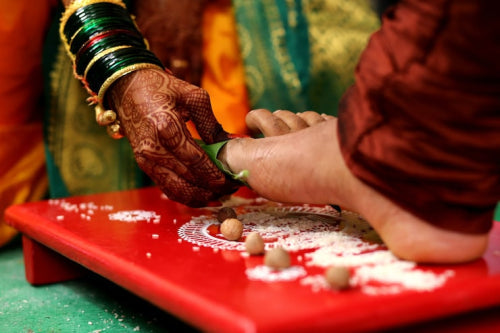
In a world flooded with fast fashion and identical outfits, slipping into a garment that carries the unmistakable mark of human hands feels like a quiet rebellion. That's the quiet power at the heart of direct sourcing from artisans. When the journey from loom to wardrobe skips the middlemen, every thread, every motif, and every drape arrives exactly as the maker intended raw, real, and impossible to mass-produce.
Fast fashion erodes cultural heritage, sidelining artisans and reducing traditions to trends. At IndieHaat, we champion India's craftspeople with handcrafted sarees, apparel, décor, and skincare rooted in authenticity. Each piece embodies skill and ethical care. Support artisans and preserve India's timeless legacy Shop Now!
Why Direct Sourcing Is More Than a Supply-Chain Tactic
Most clothing travels through layers of brokers, exporters, and retailers before it reaches you. Each hand along the way takes a cut and often pushes for cheaper materials or quicker shortcuts. Direct sourcing cuts that chain short. Artisans in small workshops and village clusters work straight with the brand, so the final piece keeps the integrity it had the day it left the loom. No diluted dyes. No substituted threads. Just the original vision, preserved.
This model also means faster feedback loops. If an artisan experiments with a new border or a softer handloom finish, the change can reach customers without waiting for approval from distant factories. The result is clothing that feels alive rather than manufactured. For discerning buyers across India, the US, UK, Australia, Singapore, and the UAE, this direct connection translates into garments that honor tradition while meeting modern expectations for quality and individuality.
Beyond logistics, direct sourcing builds a genuine partnership. Artisans receive fair compensation and creative freedom, which encourages them to pour their expertise into every piece. Customers, in turn, gain access to work that carries an unbroken lineage of skill and care something mass production can never duplicate.
The Human Hands Behind Every Stitch
Picture a weaver in a sunlit courtyard, feet working the pedal of a wooden loom while fingers guide fine cotton threads into intricate patterns. That scene is not nostalgia it is the daily reality for the artisans whose work forms the backbone of authentic ethnic wear. Direct sourcing keeps their workshops viable and their skills relevant in a world that otherwise rushes toward automation.
These craftspeople do not simply follow patterns; they improvise within tradition. A slight variation in tension creates a fabric with its own subtle texture. A particular shade of natural dye emerges only under certain weather conditions. These small, human decisions are what give each garment its soul. The handmade items directly sourced from artisans carry that living energy, making every kurta, saree, or tunic feel personal and irreplaceable.
By bypassing intermediaries, the brand ensures that the artisan's voice remains front and center. This approach preserves centuries-old techniques while allowing room for subtle innovation, resulting in ethnic wear that respects its roots yet feels fresh and relevant today.
Unique Designs Born from Tradition and Imagination
Handmade ethnic wear never repeats itself exactly. One kurta might feature a peacock motif inspired by a local temple fresco; the next could echo the flowing lines of a river seen from the artisan's window. Because the designs come straight from the maker's hands and heritage, they carry regional stories that factory prints simply cannot replicate.
Customers in the United States, United Kingdom, Australia, Singapore, UAE, and India itself often seek this individuality. Whether pairing a hand-block-printed tunic with jeans for a casual Friday or draping a silk saree for a family celebration, they want clothing that sparks conversation and stands apart from the crowd. The unique designs emerge naturally from the artisan's lived experience, turning each garment into a wearable piece of cultural narrative.
This authenticity resonates deeply in multicultural markets where buyers value craftsmanship that tells a story. The result is not just apparel but a connection to the hands and hearts that shaped it.
Only the Purest Fabrics: Linen, Silk, and Cotton
Fabric choice is non-negotiable. Linen brings crisp breathability that feels cool even in humid summers. Silk drapes with liquid grace and catches light in ways that make every movement elegant. Cotton offers everyday softness that improves with each wash, growing more comfortable rather than wearing thin. By limiting the collection to these three natural fibers, every piece stays true to the comfort and durability that ethnic wear has always promised.
These materials also age beautifully. A linen kurta softens over seasons; a cotton dupatta gains character with gentle fraying at the edges. The fabrics tell their own story of use and care, much like the hands that first wove them. Authentic and pure fabrics only linen, silk, and cotton ensure the garment feels as good as it looks, season after season, across climates from the deserts of the UAE to the temperate shores of Australia.
This strict focus on natural fibers supports both wearer comfort and environmental responsibility, reinforcing the brand's commitment to quality that lasts.
Turning Common Doubts into Confident Choices
Shoppers often hesitate for three familiar reasons. First comes the question of price. Yes, handmade pieces cost more than fast-fashion equivalents, but they also last longer, feel better against the skin, and support real wages rather than exploitative labor. The premium reflects the hours of skilled work and the quality of pure fibers, not marketing hype.
Second is the trust gap. Online images can be misleading, and distant supply chains raise legitimate concerns. Direct sourcing removes the mystery. The connection between artisan workshop and final customer is clear and documented, giving buyers confidence that the piece they receive matches the promise.
Third is the natural wish to touch and feel before buying. While nothing fully replaces running fingers over cloth in a store, rich photography, close-up texture shots, and honest descriptions help bridge the distance. Many who once worried about this gap now order with ease after seeing real customer photos and videos shared across social platforms.
- High pricing reflects hours of skilled craftsmanship and premium natural materials rather than hidden markups.
- Trust grows naturally when the path from artisan to wearer is transparent and direct.
- The tactile experience is approximated through detailed visuals and community stories that let buyers picture the feel before it arrives.
Addressing these objections head-on builds lasting confidence, especially for buyers in key markets who value both heritage and reliability.
A Market That Keeps Growing for Good Reason
People worldwide are voting with their wallets for items that matter. The United States handicrafts market size reached USD 319.4 Billion in 2024, a figure that reflects broader demand for unique, culturally rich, and lower-impact goods. Shoppers are tired of disposable clothing and are actively seeking pieces that carry meaning.
This trend spans the primary regions where interest runs highest India's own discerning buyers, the diaspora communities in the US and UK, the multicultural hubs of Singapore and the UAE, and the style-forward circles in Australia. Each market shares a common thread: appreciation for work that respects both people and planet. The cultural appreciation, the augmenting demand for unique and personalized goods, and the rising focus on using sustainable products that have lower environmental impact continue to drive this steady expansion.
In practical terms, buyers are choosing garments that align with their values supporting skilled artisans, embracing natural materials, and investing in pieces that endure rather than end up in landfills.
Social Spaces Where Authenticity Comes Alive
Instagram, Facebook, and YouTube have become the modern-day village squares for lovers of handmade ethnic wear. There, customers post their outfits, ask styling questions, and celebrate the small details that make each piece special. These platforms turn individual purchases into shared experiences, reinforcing the human connection that began in the artisan's workshop.
Scrolling through real-life photos and short videos, potential buyers see how a simple cotton kurta moves in daily life or how a silk drape catches golden-hour light. The conversations feel personal, never corporate. Across the target regions, these social channels foster a vibrant community where authenticity is not only appreciated but actively celebrated.
The visual storytelling on these platforms brings the direct-sourcing journey to life, helping new customers visualize the quality and care before they even place an order.
Making Authenticity Part of Your Everyday Wardrobe
Choosing direct-sourced handmade ethnic wear does not require a special occasion. A breathable linen shirt becomes a reliable favorite for long workdays. A versatile cotton set travels easily and packs light. A silk piece waits for those moments when you want to feel dressed up without sacrificing comfort. Over time, these garments become wardrobe staples that improve with wear.
The decision ripples outward. Every purchase supports skilled hands, keeps traditional techniques alive, and reduces the environmental toll of mass production. It is a small, personal choice that quietly adds up to something larger especially for those in India, the US, UK, Australia, Singapore, and the UAE who seek clothing that aligns with both style and conscience.
Practical, beautiful, and built to last, these pieces fit seamlessly into modern lifestyles while honoring the craftsmanship that defines them.
The Lasting Reward of Choosing Real
In the end, authenticity is not a marketing phrase it is the quiet confidence you feel when you know your clothing has traveled a clean, honorable path. Direct sourcing from artisans ensures that the ethnic wear you love arrives with its integrity intact, ready to become part of your own story. The next time you reach for something special, let the journey behind it be as meaningful as the garment itself.
This commitment to handmade items directly sourced from artisans, unique designs, and authentic pure fabrics creates a collection that stands apart. It delivers on the promise of quality that buyers in every target region have come to expect and deserve.
Frequently Asked Questions
Why is directly sourced handmade ethnic wear more authentic than mass-produced clothing?
When ethnic wear is sourced directly from artisans, it bypasses brokers, exporters, and retailers who often push for cheaper materials and shortcuts. This means each garment preserves its original integrity no diluted dyes, no substituted threads exactly as the maker intended. The artisan's creative voice, centuries-old regional techniques, and subtle human decisions (like natural dye variations or handloom textures) remain untouched, making every kurta, saree, or tunic genuinely one-of-a-kind and impossible to mass-produce.
What fabrics are used in authentic handmade ethnic wear, and why do they matter?
Authentic handmade ethnic wear is crafted exclusively from pure natural fibers linen, silk, and cotton. Linen offers crisp breathability ideal for warm and humid climates, silk drapes elegantly and catches light beautifully, and cotton provides everyday softness that actually improves with each wash. These natural fabrics age gracefully, support environmental responsibility, and ensure lasting comfort across diverse climates from the deserts of the UAE to the temperate shores of Australia making them the gold standard for quality ethnic wear.
Is buying handmade ethnic wear online worth the higher price compared to fast fashion?
Yes the higher price of directly sourced handmade ethnic wear reflects hours of skilled craftsmanship and premium natural materials, not inflated markups. Unlike fast fashion, these garments are built to last, feel better against the skin, and support fair wages for skilled artisans rather than exploitative labor practices. For buyers in markets like the US, UK, India, Singapore, and Australia, this is a conscious investment in clothing that carries cultural meaning, endures over time, and aligns with values around sustainability and ethical sourcing.
Disclaimer: The above helpful resources content contains personal opinions and experiences. The information provided is for general knowledge and does not constitute professional advice.
You may also be interested in: The Role of Tussar Silk in Sustainable Fashion from Jharkhand Looms
Fast fashion erodes cultural heritage, sidelining artisans and reducing traditions to trends. At IndieHaat, we champion India's craftspeople with handcrafted sarees, apparel, décor, and skincare rooted in authenticity. Each piece embodies skill and ethical care. Support artisans and preserve India's timeless legacy Shop Now!
Powered by flareAI.co